Marketers understand the value of protecting their customer data, but email security can often be overlooked. With cyber threats continuously on the rise, it’s important to keep up with and maintain the necessary security measures for your email marketing campaigns. To help protect your brand reputation and ensure the safety of your customers' data, here are guidelines to consider for securing your emails.
Ensure secure access to email systems by implementing strong passwords and multi-factor authentication
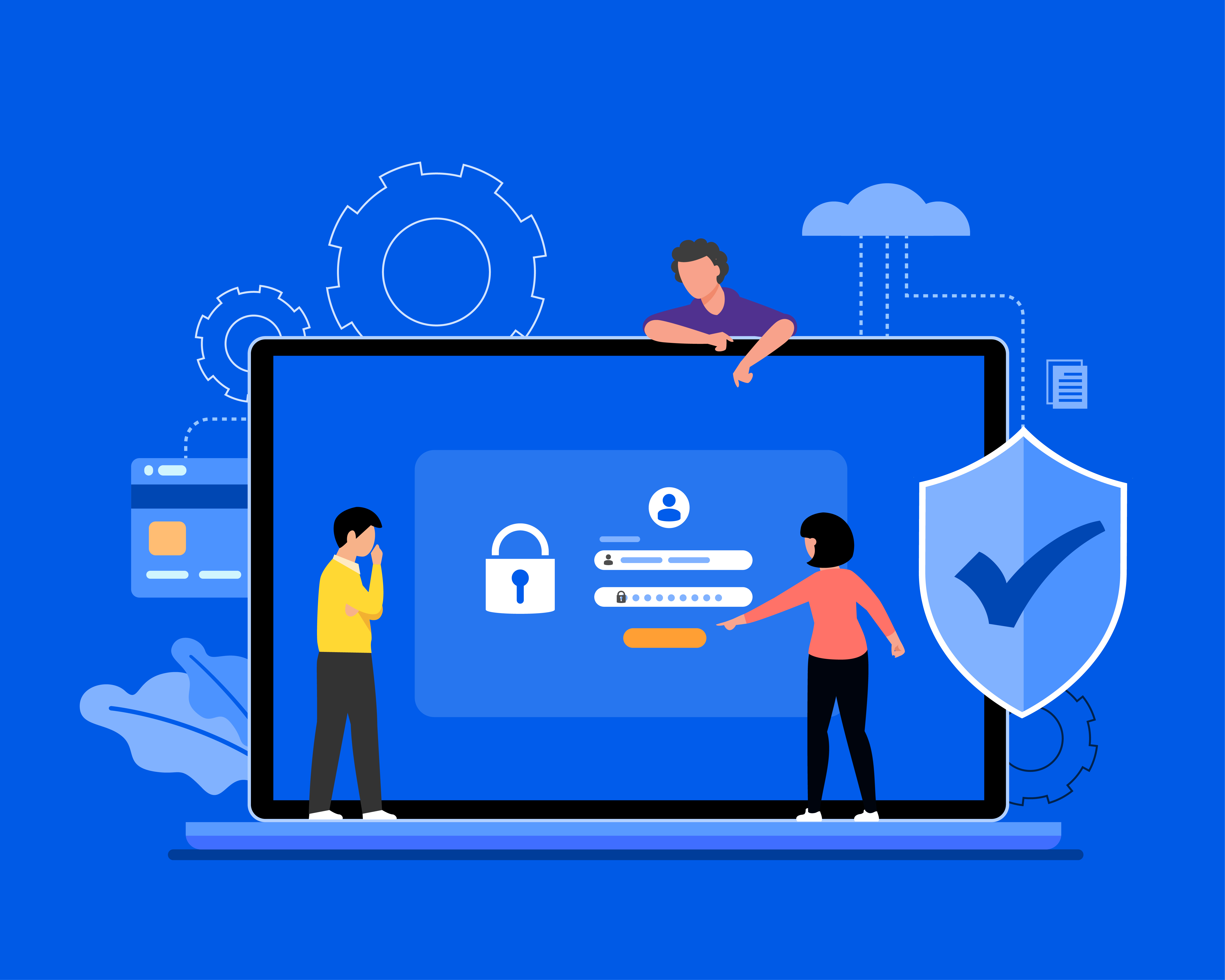
Taking appropriate steps to ensure secure access to email systems is an essential aspect of information security. One of the best ways to ensure email security is by implementing strong passwords and multi-factor authentication. This approach allows organizations to provide protected access to their emails without needing extensive hardware or infrastructure upgrades. The use of strong password standards helps to prevent the account from being easily accessed while the addition of multi-factor authentication provides increased levels of security by requiring the user's approval prior to granting access. Multi-factor authentication requires additional information such as a code sent via text or voice call, biometric data, or a physical token before granting access rather than just relying on a username and password. This approach acts as a powerful barrier against malicious actors attempting to gain unauthorized access and helps protect confidential information held on email systems from unauthorized use.
Implement encryption for all emails containing sensitive data
In this digital era, information security is of prime importance. Without encryption, sensitive data sent through email can be exposed to malicious actors who can easily access and misuse it by intercepting emails or accessing accounts. Implementing encryption for emails containing sensitive data ensures the privacy of a company's information, protecting against threats from outside sources. Encrypting emails also ensures that only authenticated users have access to view their contents, helping organizations reduce the risk of unauthorized use or disclosure of their confidential information. All these benefits make encrypting emails essential step companies should take in order to protect important data and improve their overall cybersecurity posture.
Use DNS-level protection to block malicious links and attachments
Securing your web infrastructure from threats such as malicious links and attachments is essential for protecting your users and data. Implementing DNS-level protection provides a proactive approach to preventing potential issues as it filters unwanted content or connections before ever reaching the intended destination. By monitoring common threat sources, brands can deploy protection mechanisms in order to provide a safe, secure browsing experience for their customers, ensuring their data remains protected at all times. By investing in DNS-level protection, businesses can ensure that browsing sessions are fast, reliable, and most importantly secure.
Monitor your users’ email activity for uncommon patterns
When it comes to network security, one of the best preventative measures is monitoring your user's email activity for any signs of unusual patterns. This is an essential step towards guaranteeing a secure online environment that can protect against breaches of data like phishing and malware attacks. Email activity logs can provide valuable insight into how employees are using company accounts and help you identify unauthorized or malicious activity. Keeping up to date with your users’ emails helps you stay ahead of potential security risks and develop sound strategies for better protection.
Set up automated alerts when suspicious activity is detected
Automated alerts can alert organizations to suspicious activity quickly and accurately, helping them keep their data secure. With a reliable alert system in place, organizations can easily detect potentially malicious activity, such as unauthorized logins or elevated privileges. Setup requires careful customization and implementation of the software, making sure that the system is effective and efficient in providing early warnings when something nefarious is afoot. Setting up automated alerts will not only help increase an organization's security but also save precious time spent chasing down potential threats manually. When properly set up, these automated alerts will serve as an additional layer of protection for organizations, providing additional peace of mind for those managing critical systems.
Monitor third-party applications used to access customer data
In this increasingly connected world, it has become crucial for organizations to monitor third-party applications that are used to access customer data. Third parties often have different levels of access to business systems and customer information, making it critical that their activities be closely monitored and managed from an operational security perspective. Doing so will not only protect customer information but also help organizations maintain compliance with any applicable regulations governing the handling of customer data. Investing in the required security tools and processes to monitor third-party applications is essential for ensuring data privacy and confidentiality.
With cybersecurity threats, an ever-increasing concern, securing your organization's email system is a must. The tips highlighted in this blog post provide essential steps for organizations to follow to guarantee the security of their email systems. Implementing strong passwords and multi-factor authentication, encryption, DNS-level protection, and monitoring user email activity are all important actions to take in order to protect against malicious actors. Additionally, organizations should constantly monitor third-party applications used to access customer data and set up automated alerts when any suspicious activity is detected. By taking these small but pivotal steps now, organizations can build better defenses against external attacks on their email systems and avoid any potential risks further down the line.