

Podcasting is a great way to send your message into the world and make money talking about something you’re passionate about. Now, unlike other forms of content, there’s no time constraint on the length of the podcast. You can talk for four hours straight and then continue with more of the same tomorrow.
While the field is slowly becoming saturated, people consume podcasts with incredible vigor. They listen to them while performing chores, driving to work, and even working out. In other words, no matter how many podcasts are out there, there’s always room for more.
Another reason why this is such a great idea is that the start-up costs are minimal. However, you do have to download the right software, invest in recording equipment and soundproof your studio. Here’s what you need to know about the latter.
Why should you soundproof at all?
If you’re serious about running a podcast, you need to soundproof your DIY studio to improve the sound quality of the stream/recording. The thing is that while your talking points and guests may be great, podcasts are usually something that people listen to in the background. So, they’re much more likely to switch to something else than be tormented by static.
Second, sound quality mirrors the quality of your podcast in more ways than one. Sure, podcasting is supposed to be available to anyone, but if you can’t be bothered to put some effort into your studio, why should people take you seriously?
Lastly, podcasts are one of the longer formats online. Do you want your family/roommates to tiptoe around the room for four hours? This isn’t fair and may seriously damage relationships. Soundproofing a studio will ensure that no outside noises interfere with your work.
How can I make my studio soundproof?
The first thing you need to do is pick the right room. A room-facing backyard will, by default, be quieter than one facing the street. However, we acknowledge that, sometimes, you won’t have too much say about the choice of the room (on account of all others being occupied).
Second, you must cover all the reflective surfaces to reduce the echo. Sound waves bounce off smooth surfaces (like glass and walls) and resonate strongly in a closed system. This is why covering windows and installing acoustic panels work like a charm.
Lastly, the sound will penetrate through the gaps in the studio. So, if there are any cracks, you need to fill them in. Also, secure the area around doors with a draft stopper.
How can I soundproof my studio on a budget?
No, you don’t need to invest a fortune to soundproof your studio. There are quite a few things you can do on a budget. For instance, if you don’t have enough money for panels, you could try hanging a cloth on the wall. This can be a custom sheet with your podcast’s logo on the wall behind you.
You can also buy a floor-to-ceiling curtain. This is a relatively cheap investment that will improve the acoustic structure in the room. Buying a draft stopper is also quite inexpensive. Lastly, getting a carpet is generally a good idea. A carpet can reduce the footstep noise and reduce the echo in the room.
Do I need acoustic panels for the podcast?
There’s a reason why all the major podcasts have acoustic panels in their studios. They’re effective at what they do. When planning for optimal acoustics, you should always go with acoustic panels.
Still, it’s important that you understand the importance of proper soundproofing from the brand’s perspective, as well. You see, this is a one-time investment. Also, with more and more podcasts recording video and audio, you want your studio to look good. Acoustic panels give it that recognizable look that your audience has grown accustomed to seeing in other podcasts.
In other words, visuals have an impact on your online reputation.
Test the studio
The best way to test the studio is to record a brief conversation session and see the results. Since you already know all the conversation topics, it would probably be best if you were to play the audio to an outsider. Even a family member or a friend will work as long as they were not in the room when the recording was made.
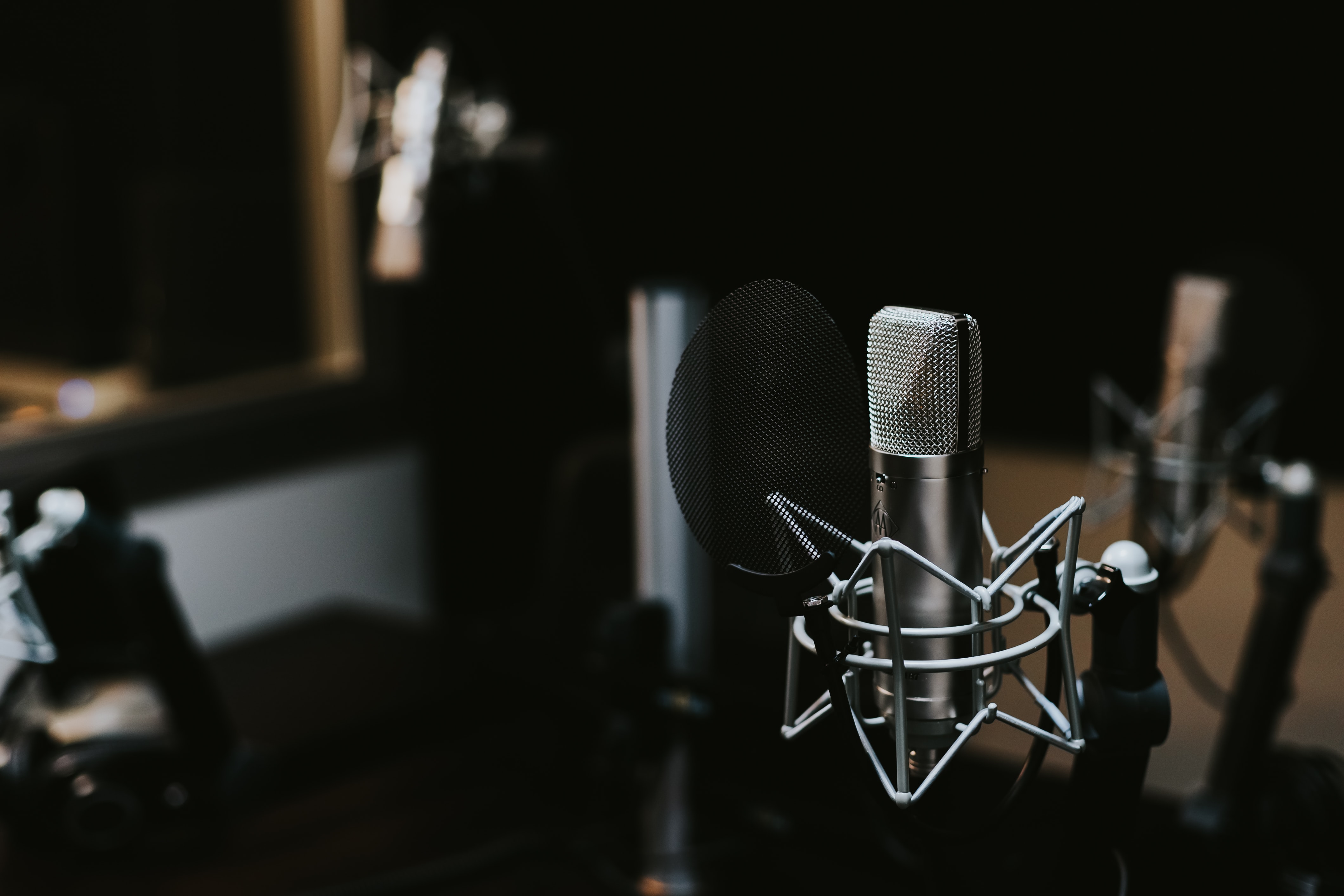
Also, remember that a lot can’t be attributed to the studio. Your recording equipment is just as important. Buying the right directional microphone can also reduce your workload since you can just focus on the area in which the microphone is pointing.
Wrap up
Ultimately, you need the proper equipment, while podcasting is down to your personality and hard work. Outfitting a home studio is a must, but how you do this depends on your agenda and budget. As a podcast persona, you are an entertainer and an entrepreneur. So, you need to make some business investments to see a great ROI. Preparing your studio with soundproofing is just one example.
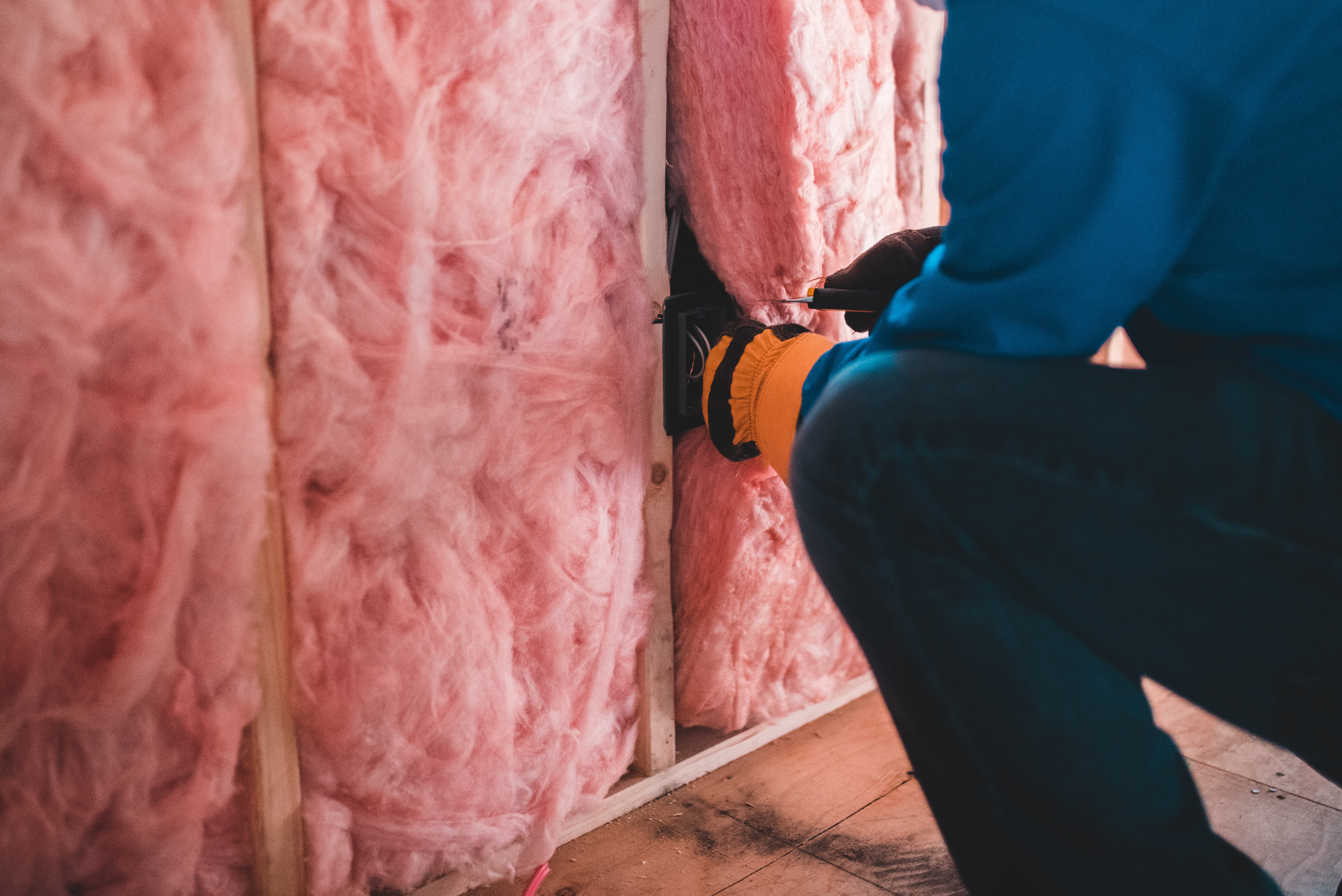
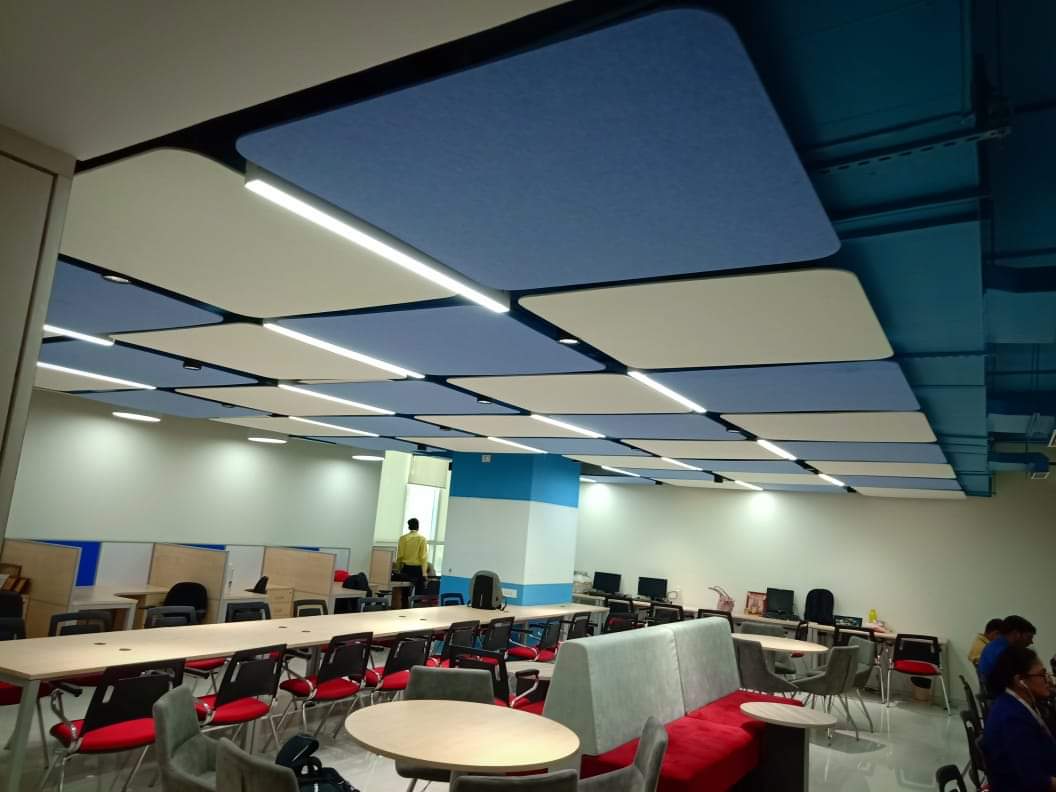
Acoustic engineering and installation services are beginning with vibrations and the radiation of these vibrations through waves of sound, acoustics soundproofing solutions system has crucial applications for every area of life.
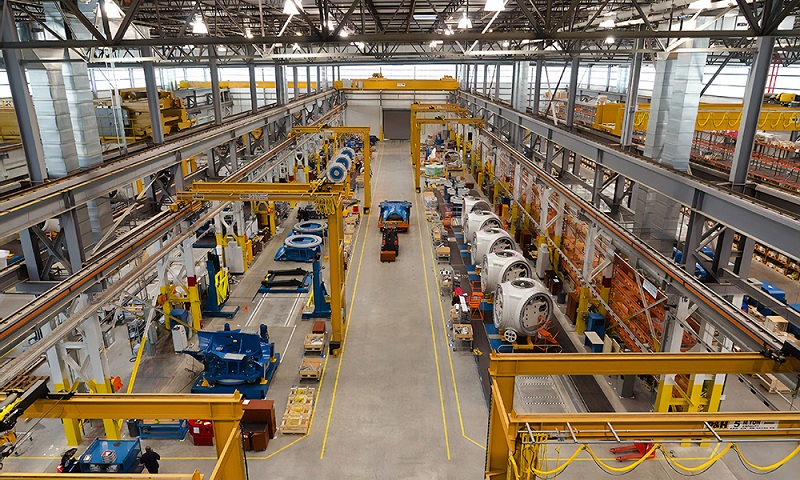
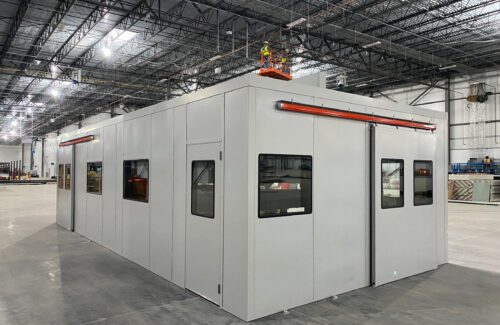
Machine Soundproofing:- Hodgson Acoustics Company provides high integrity noise control solutions such as Fan Noise Control, Compressor Noise Control, Pump Noise Control, Acoustic Enclosures, Power Generation Enclosures etc.
across a wide range of industrial and commercial sectors.If you are looking for any noise control solutions, visit https://www.hacacoustics.global/