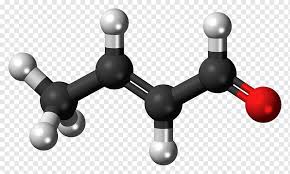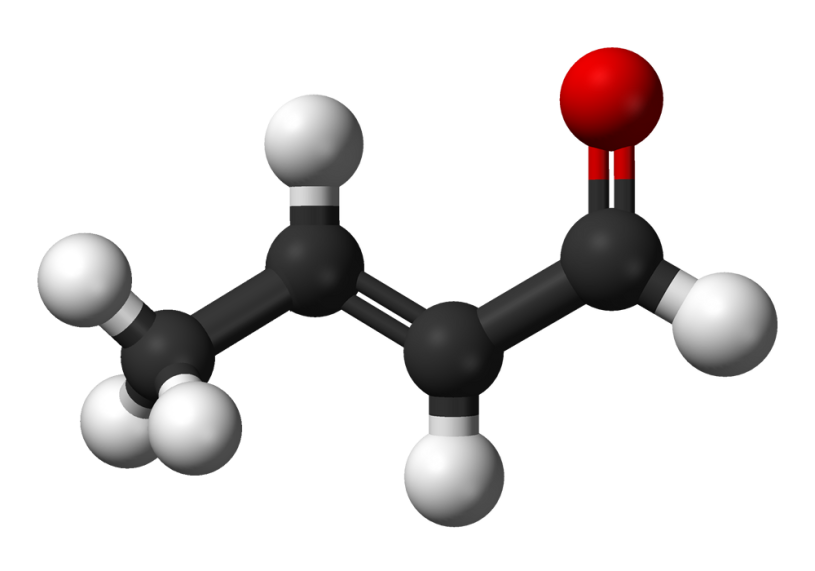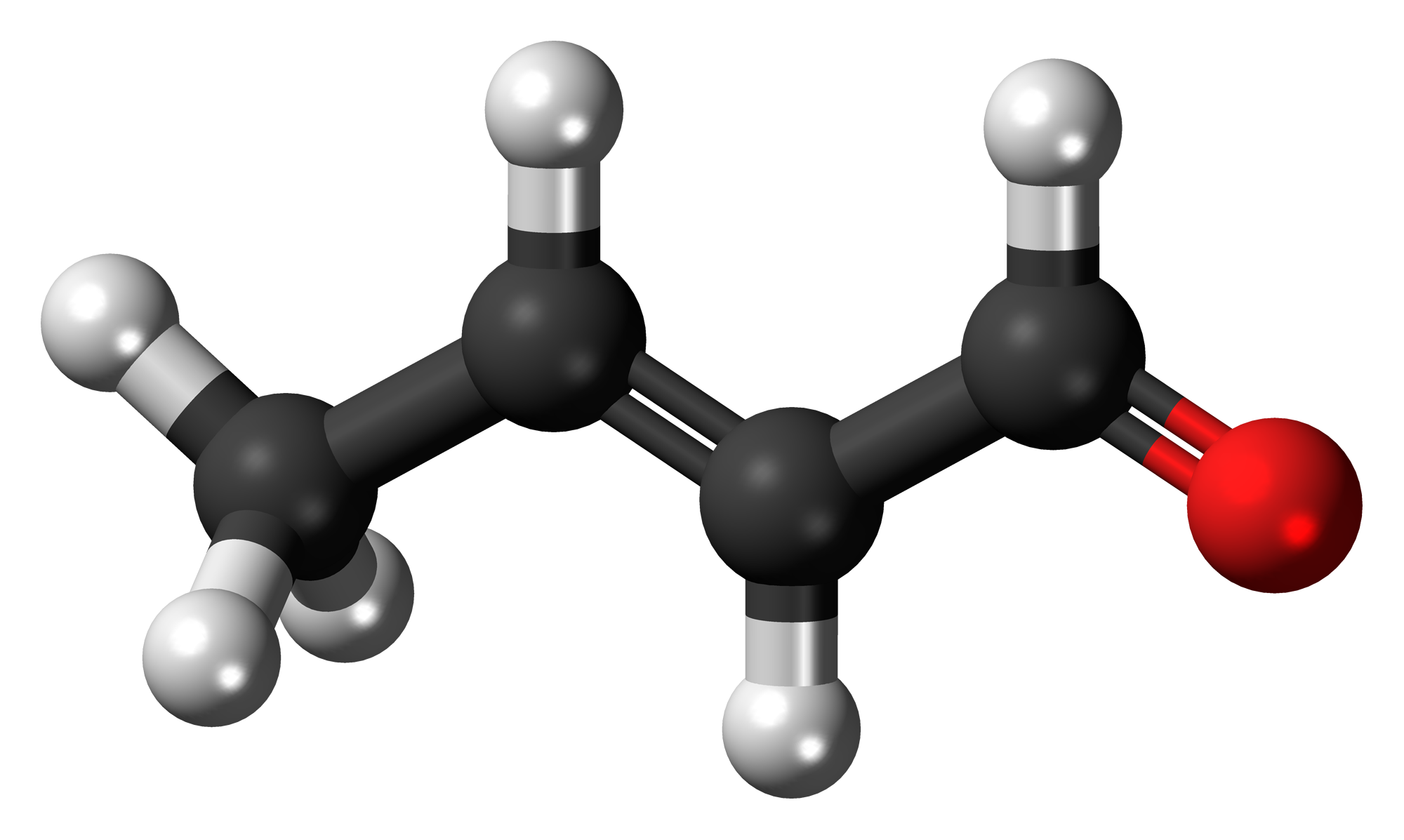
The liquid known as Crotonaldehyde is clear, colourless to straw-colored, and has an unpleasant odour. It is highly flammable and releases deadly vapours at room temperature. Crotonaldehyde is also present in numerous foods in trace concentrations. It naturally occurs in some flora and in the volcanic emissions. The main application of crotonaldehyde is to make sorbic acid, which prevents the growth of yeast and mould. Rubber accelerators, alcohol denaturants, tetraethyl-lead stabilisers, gasoline warning agents, and leather tanning have all been made using crotonaldehyde. Additionally, it is known as 3-Methylacrolein and 2-Butenal.
It produces foul odours when kept at room temperature and is quite combustible. Many plants, volcanoes, and various foods all naturally produce trace levels of Crotonaldehyde. The smoke from burning wood, the exhaust from gasoline and diesel engines, and tobacco smoke all include crotonaldehyde, an unsaturated aldehyde. Among other things, it is employed commercially in the creation of sorbic acid. Eyes, throat, nose, and lung irritation may arise from exposure to this toxin in the air.
Crotonaldehyde is a highly reactive compound that can cause irritation to the eyes, nose, throat, and skin. Inhalation of crotonaldehyde vapors can cause respiratory irritation, coughing, and wheezing. Prolonged exposure to crotonaldehyde can lead to lung damage, respiratory problems, and pulmonary edema. In addition, crotonaldehyde is a suspected carcinogen, and has been shown to cause genetic mutations and DNA damage in laboratory tests.