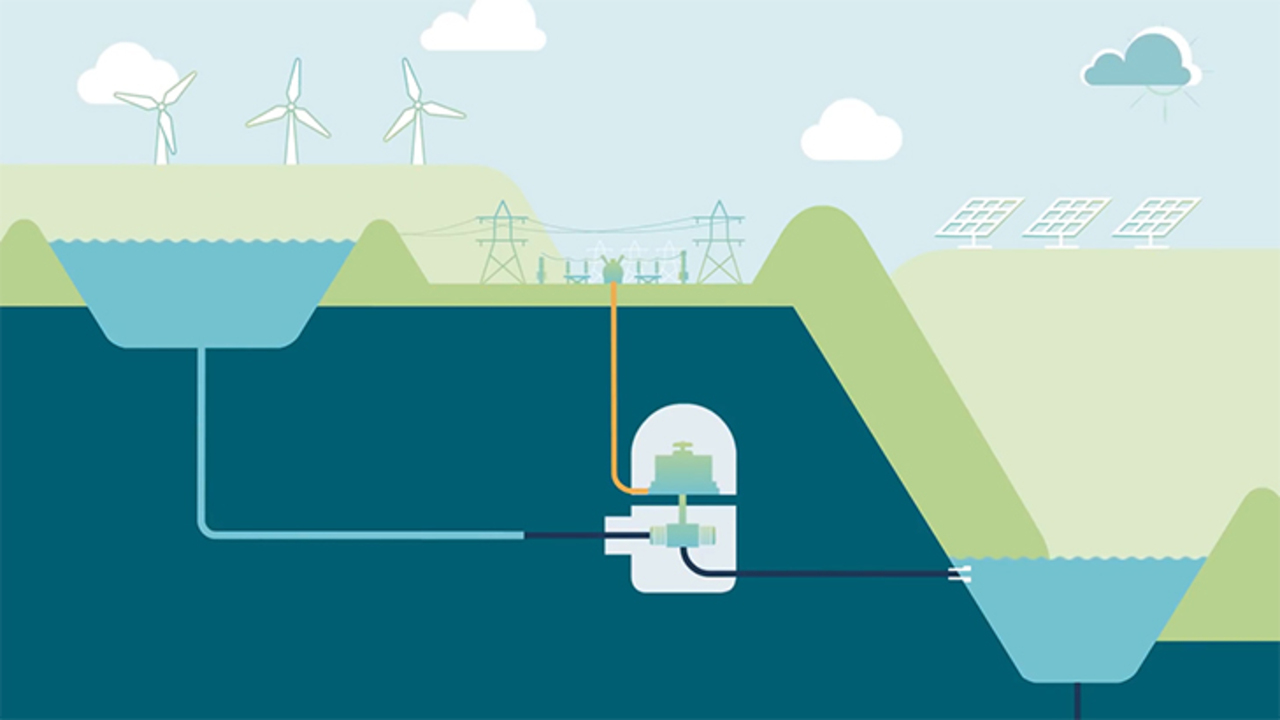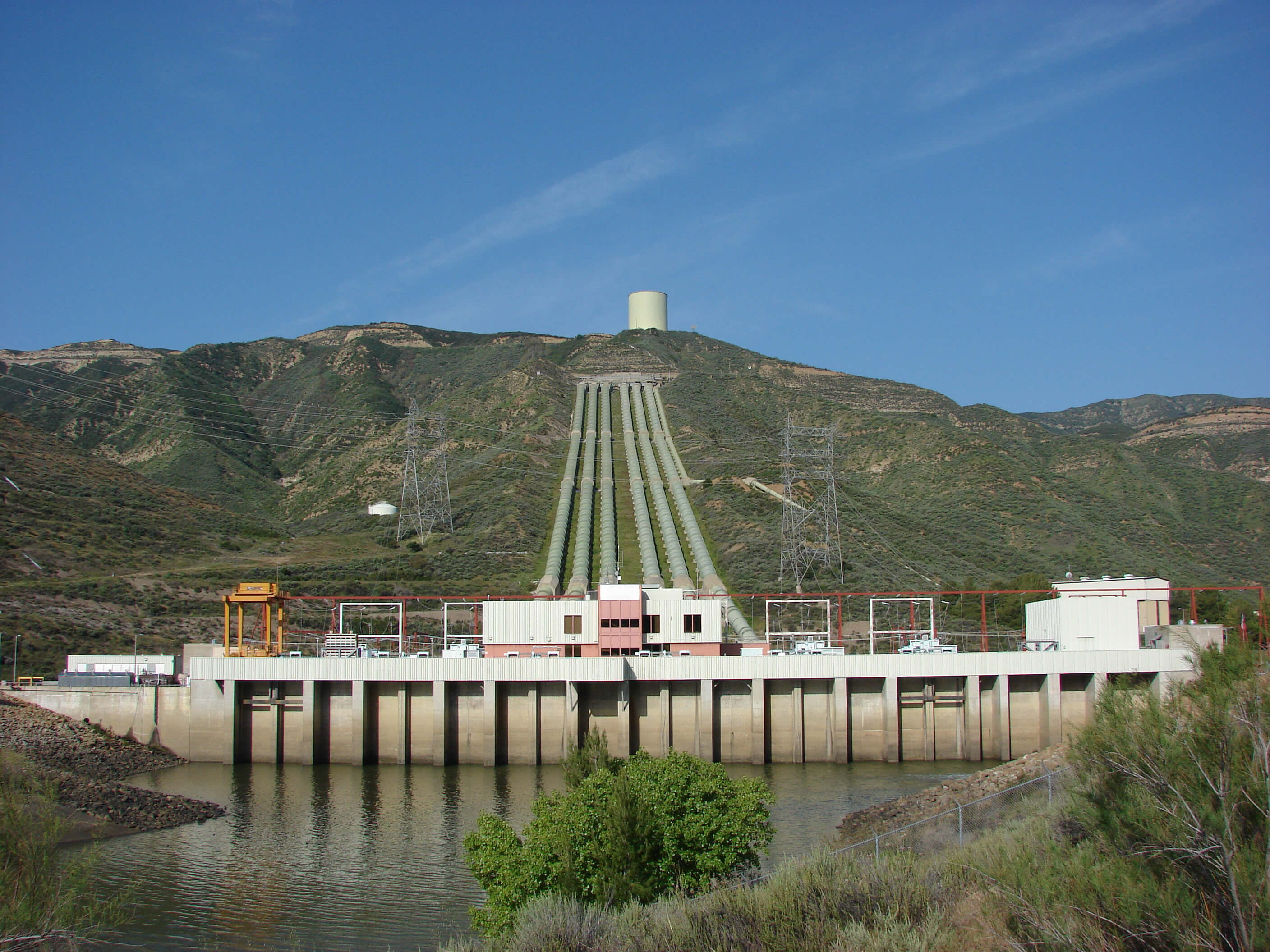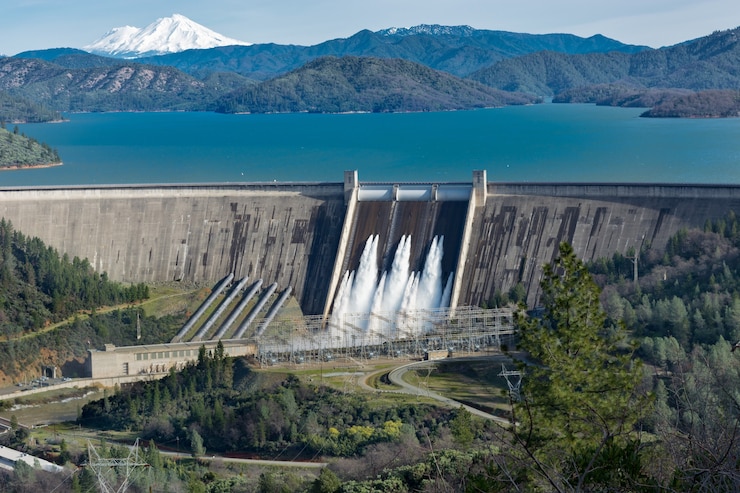
While Pumped Hydro Storage has many advantages, it also has some challenges that need to be addressed. One of the primary challenges is that it requires a large amount of space. The two reservoirs need to be large enough to store significant amounts of water, and the pipes and turbines used in the system also require space.
Pumped Hydro Storage is also a relatively expensive technology to build. The construction costs can be high, particularly if the system needs to be built in a remote or difficult-to-access location. Another advantage of pumped hydro storage is that it is very flexible. The system can be turned on and off quickly, allowing it to respond to changes in demand very rapidly. This makes it an ideal technology for balancing the grid during times of high demand.
Another advantage of Pumped Hydro Storage is its scalability. Pumped hydro storage systems can be built at a wide range of sizes, from small systems that can store a few hundred kilowatts of energy to large systems that can store gigawatts of energy. This makes pumped hydro storage a versatile technology that can be used to support a wide range of energy systems, from small off-grid systems to large utility-scale systems.
Pumped Hydro Storage also has a low environmental impact. Unlike fossil fuel power plants, which emit greenhouse gases and other pollutants, pumped hydro storage systems generate electricity without producing any emissions. The only environmental impact of pumped hydro storage is the impact of constructing the reservoirs and other infrastructure, which can be minimized through careful planning and design.