Have you ever considered getting a full body checkup to assess your health status and identify any potential problems before they become serious?
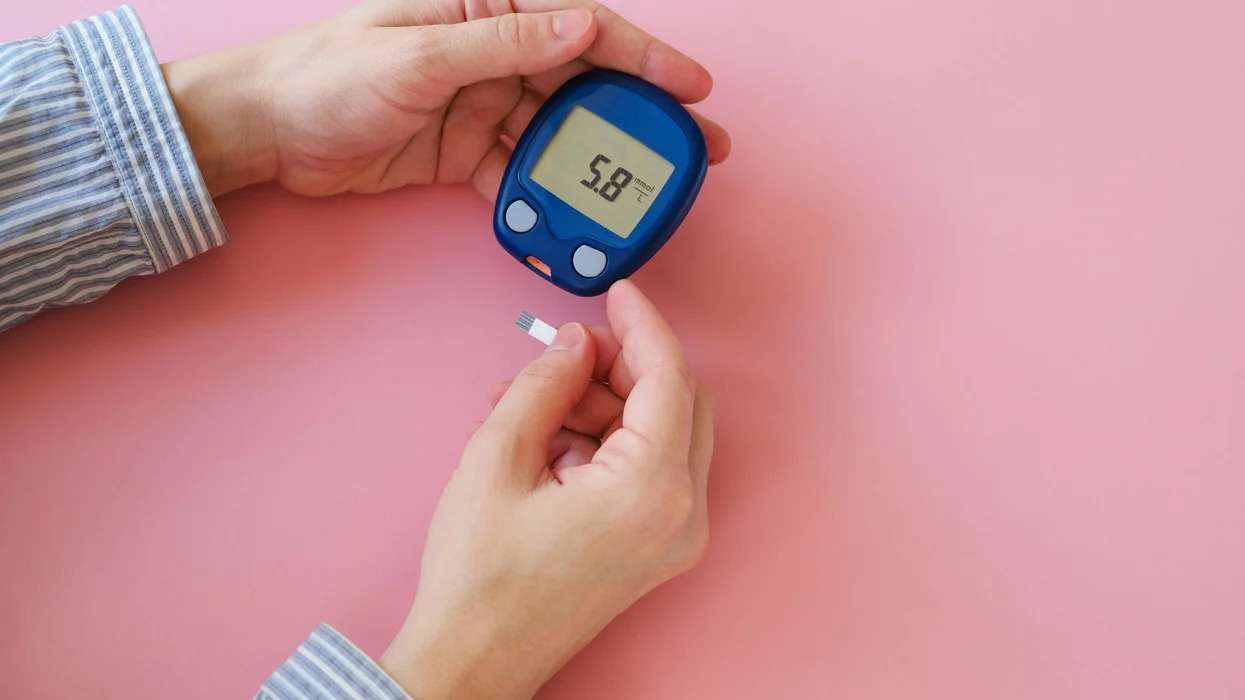
A full body checkup is an essential part of preventive healthcare, allowing you to take charge of your health and well-being. During the checkup, your doctor will conduct a physical exam, measure your height, weight, and blood pressure, and test your blood sugar and cholesterol levels. They will also examine your head, neck, chest, abdomen, and extremities. Depending on your age, health history, and risk factors for certain diseases, additional tests may be ordered.
Although the specifics of the checkup will vary based on individual needs, there are some general things to expect. In this article, we'll provide you with the ultimate guide to full body checkups, including what to expect during the appointment and why they are important for your health.
A comprehensive full body checkup includes various components to assess an individual's overall health. During the checkup, your doctor will typically begin by discussing your medical history and any symptoms you may be experiencing. A physical examination will then be conducted, which involves measuring your blood pressure, heart rate, and weight, as well as listening to your heart and lungs with a stethoscope.
Following the physical examination, your doctor may order additional tests such as blood and urine tests or imaging scans like X-rays or MRI to identify any underlying health issues or abnormalities that could be causing your symptoms. These tests are essential in detecting potential health problems at an early stage, allowing for prompt treatment and better health outcomes.
Once all test results are available, your doctor will review them with you and explain their meaning. Based on the findings, your doctor will develop an individualised treatment plan for you to help you manage any health issues and improve your overall health.
Full body checkups are important for several reasons. Firstly, they allow for the early detection of health problems, making them easier to treat. Secondly, they can help identify potential health risks and provide an opportunity for lifestyle changes to be made to prevent them. Thirdly, they can provide peace of mind by confirming that you are healthy and that there are no major health concerns. Finally, if there are any health problems identified during the checkup, they can be addressed proactively rather than being left untreated due to a lack of awareness or understanding.
It is recommended to have a full body checkup annually, but if you experience any new or unusual symptoms, you should see your doctor as soon as possible. During your checkup, your doctor will inquire about your family medical history and any changes in your health since your last visit. Additionally, they will perform a physical examination that could include a blood pressure check, a breast exam, and a pelvic exam for women. Depending on your age and health history, your doctor may order further tests such as blood work or a Pap smear. If you have any concerns, don't hesitate to discuss them with your doctor during your appointment. Read more