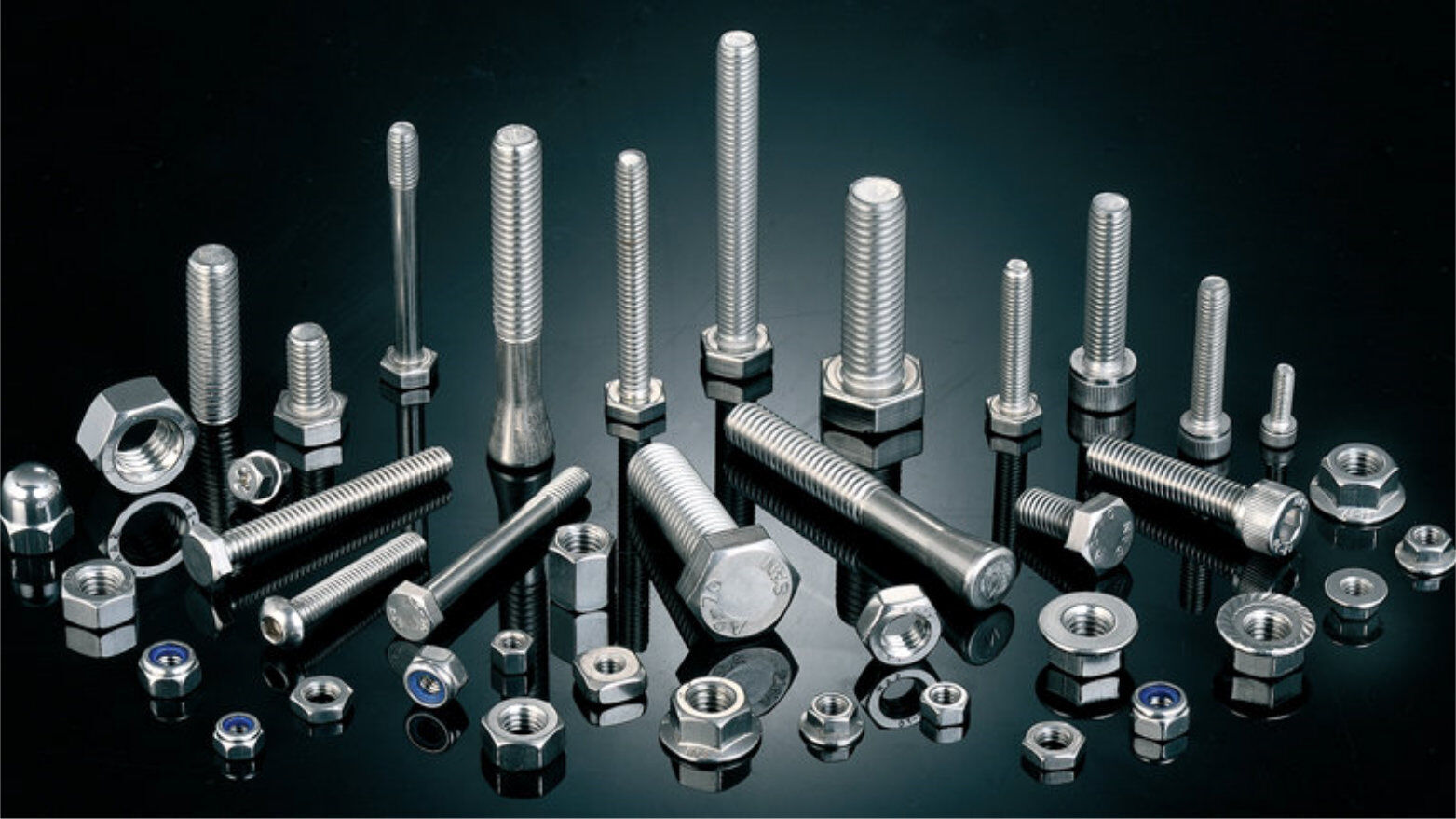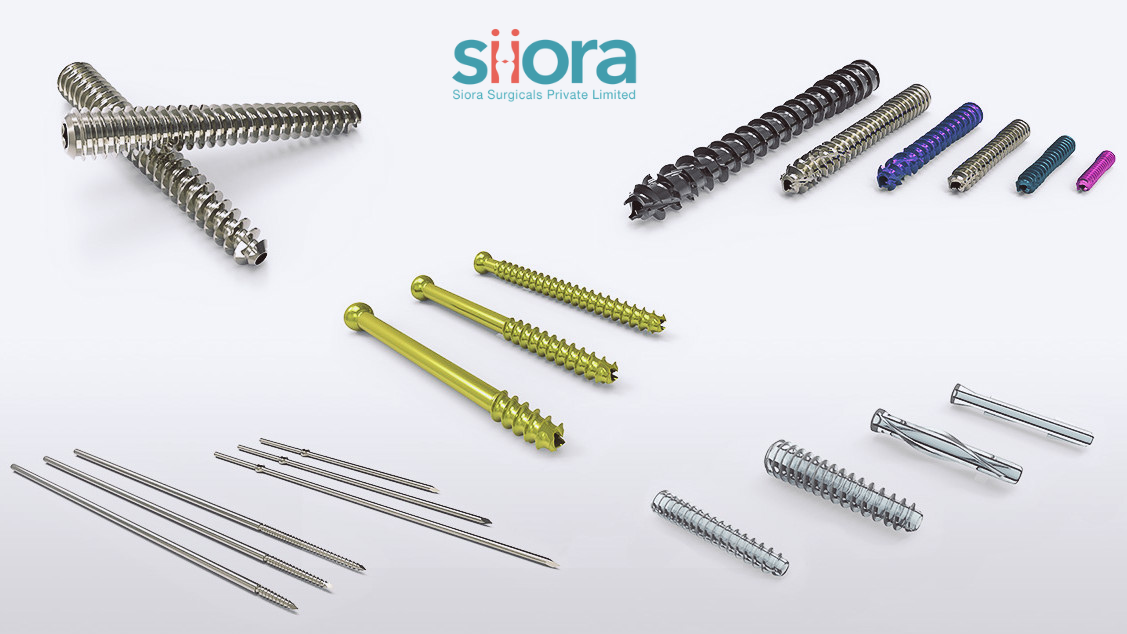
A self-tapping cortical screw is a thread-cutting screw as well as has the cutting lip of a tap essentially milled into its tip. This device cuts a thread in the sense cortical bone on that the screw advances.
The self-tapping screws were criticized for a long period since it was supposed that a self-tapping screw would offer a poor hold in the bone as implanted in fibrous tissue rather than in the bone. Later research has shown this view to be not correct. Size for size, a self-tapping and a non-self-tapping screw have nearly the same holding power. The cutting flutes’ design of a self-tapping screw is significant. A poorly designed tip encounters significant resistance, mainly in thick cortical bone. At times the resistance can be such that the torque essential to drive in the screw is greater than the screw’s tolerance, and the screw can break. The resistance to insertion can interfere with the accuracy of placement, mainly if one is trying to insert the bone screw obliquely to lag 2 bone fragments together.
Self-tapping screws are widely utilized in bone surgery as they can be inserted quickly, decreasing the operation time for internal fixation. Additionally, relatively fewer steps and instruments are needed. The screw tip must offer from the far cortex so that the flutes are clear and at least 1 complete thread engages the cortex. Reinsertion of a self-tapping bone screw into the same threaded hole cannot always be a cause for concern; reinsertion, though, should be manual and a drill machine ought to be avoided as power insertion can inadvertently create a new track.
The main benefit of this screw is simplicity, as pre-tapping is not necessary. Moreover, a very tight fit of screw thread to the bone is ensured because the bone screw cuts its own precise thread.
Cortical and cancellous screws are available as fully as well as partially threaded screws. A cortical bone screw is often fully threaded. In plate fixation, a bone screw must purchase firmly on both the cortices. The purchase on the near cortex contributes 80 percent of the grip and the distal cortex contributes around 20 percent. A fully threaded cortical screw may function as lag screw only once the near cortex is over-drilled. A fully threaded cortical screw can be either self-tapping or non-self-tapping.
A partially threaded cortical screw is known as a shaft screw. The shaft diameter resembles the outer diameter of the thread. This screw has better strength as well as stiffness than a fully threaded screw which is a benefit when it’s used as a lag screw and as an axial compression screw. It’s a non-self-tapping screw.
A locking cancellous screw can be fully threaded or partially threaded. A fully threaded cancellous screw is utilized as a placement screw to fix a bone plate in metaphyseal as well as epiphyseal regions. A partially threaded cancellous screw is utilized as a lag screw.
https://www.siiora.com/blogs/cortical-cancellous-and-self-tapping-screw-types/