


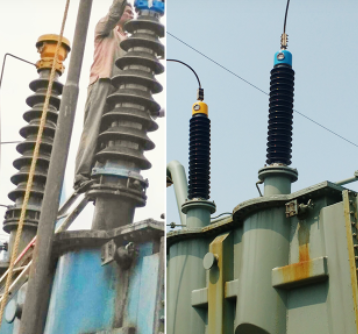
An electrical bushing is a component used in electrical systems to connect and insulate two conductors. It functions as a conduit allowing electrical current to move between two conductors while guarding against any electrical leakage or arcing.
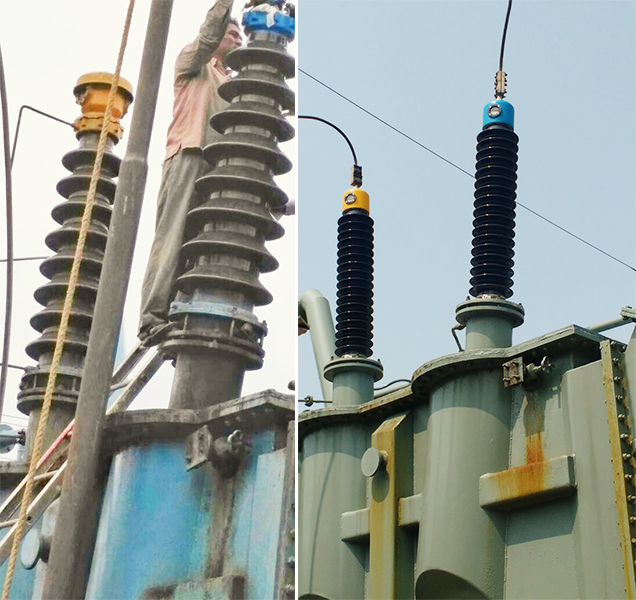
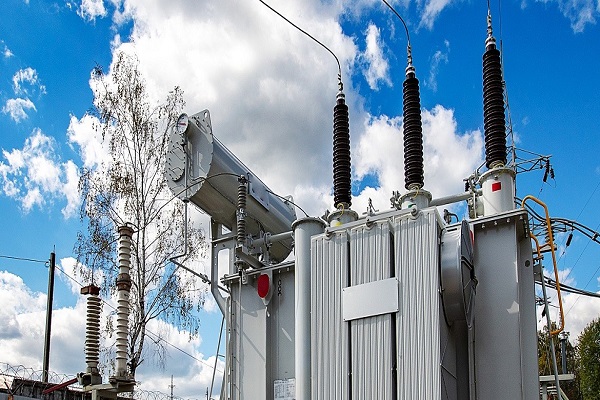
A transformer bushing, which joins a transformer to the power lines, is the most typical kind of electrical bushing. Switchgear bushings, instrument transformer bushings, and cable bushings are some other kind of bushings.
Transformer bushings are made to resist high voltage levels and stop any arcing or electrical leakage. They are often constructed from substances like silicone rubber, epoxy resin, or porcelain and are intended to have a high dielectric strength and minimal dielectric loss.
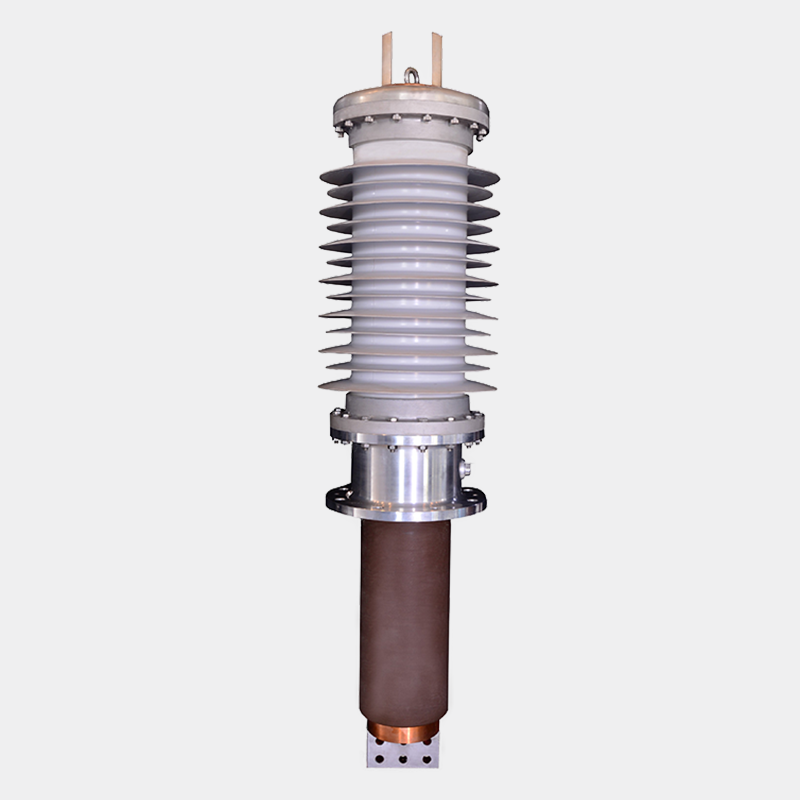
Circuit breakers or switches are connected to the power lines using switchgear bushings. They are often built of materials like porcelain, epoxy resin, or cycloaliphatic epoxy resin and are intended to endure high voltage and high current levels.
Instrument transformer bushings are used in current transformers or voltage transformers. They are designed to provide accurate measurements of the electrical current or voltage and are typically made of materials such as porcelain or epoxy resin.
Cable bushings are used to connect power cables to the equipment. They are designed to provide a reliable electrical connection while preventing any electrical leakage or arcing. They are typically made of materials such as epoxy resin or silicone rubber.
Overall, electrical bushings are critical components of an electrical system and must be designed and manufactured to meet the required electrical, thermal, and mechanical properties. They play a crucial role in ensuring the safety and reliability of the electrical system.
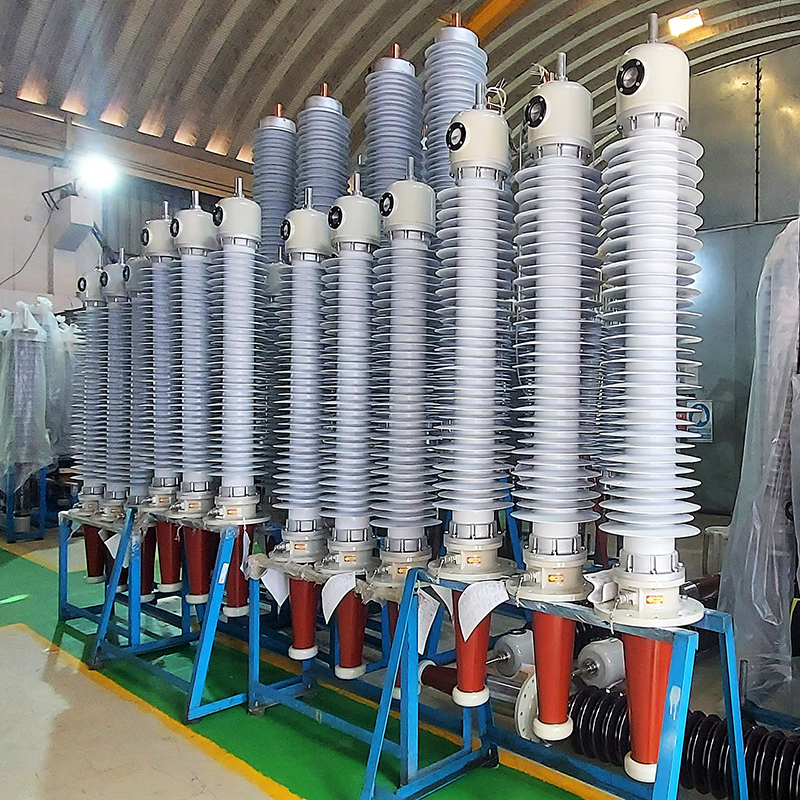
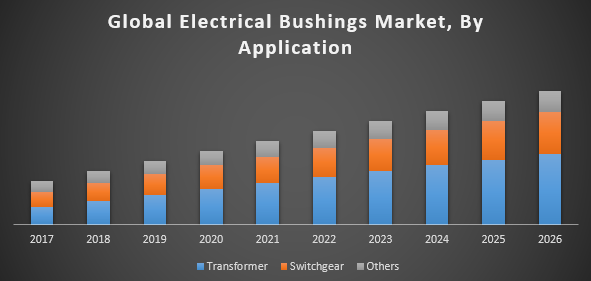
Global Electrical Bushings Market Electrical bushings are isolated devices which permit electric conductor to pass safely through stuck conductor barriers like a transformer or circuit breaker.
Electrical bushings are generally made of porcelain, Paper, and resin insulation.
Growing power demand, increasing investments in the renewable sector, and enlargement of transmission lines are the key factors driving the electrical bushings market across the globe.
The objective of the report is to present a comprehensive assessment of the global electrical bushings market and contains considerate insights, facts, historical data, industry-validated market data and projections with appropriate set of traditions and methodology.
The report also provides a clear representation of competitive analysis of key players by product, price, financial position, product portfolio, growth strategies, and regional presence in the global electrical bushings market.
The transformer segment held the large market share in 2017 and is projected to grow at a high rate of CAGR during the forecast period.