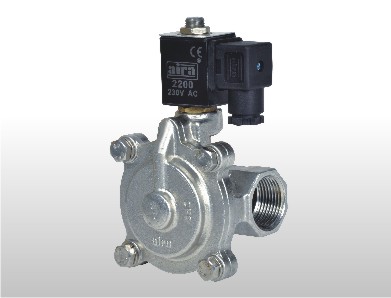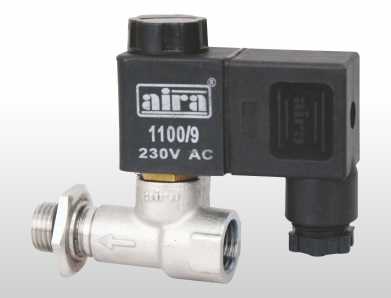


As industries continue to seek innovative and cost-effective ways of automating processes, 3 way solenoid valves have emerged as a reliable solution in various applications. These valves are popular in industries such as food processing, chemical processing, pharmaceuticals, water treatment, and many more. In this blog, we will delve into the versatility of 3 way solenoid valves, their working principles, and key factors to consider when selecting and maintaining them.
What is a 3 way solenoid valve and how does it work?
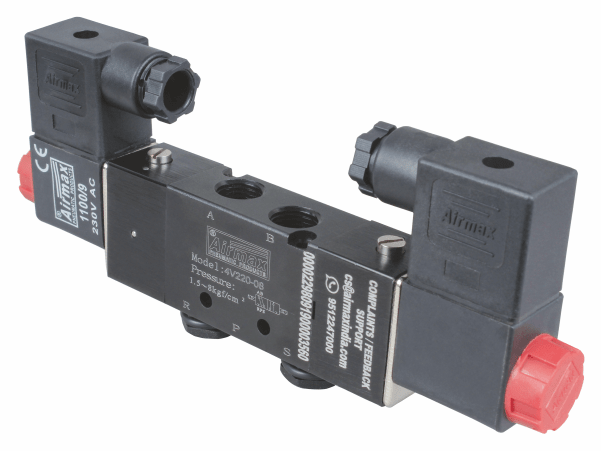
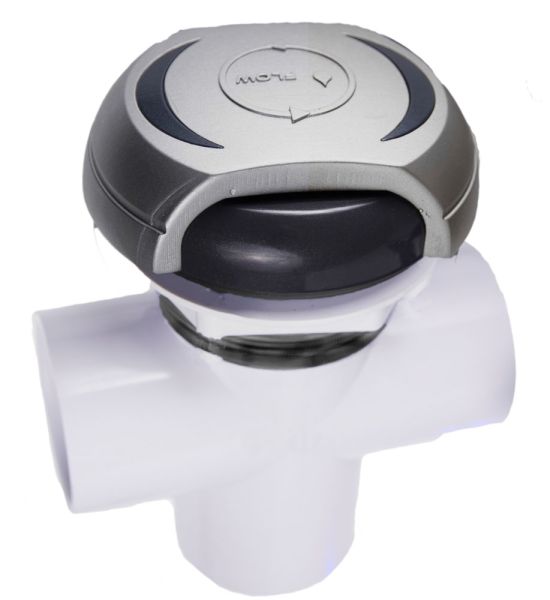
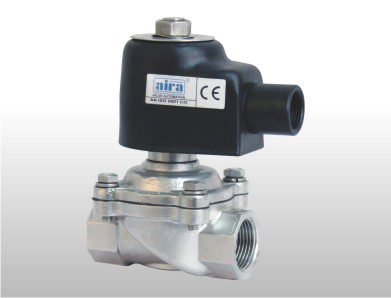
A 3 way solenoid valve is a device that controls the flow of fluids, gases, or other media through a system. Unlike a traditional 2-way solenoid valve, which has only two ports (an inlet and an outlet), a 3 way solenoid valve has three ports: an inlet, an outlet, and a common port. Depending on the valve's design, the common port can be connected to either the inlet or outlet port. The valve operates by using a solenoid coil to actuate a plunger or piston that opens or closes the valve's orifice.
The working principle of a 3 way solenoid valve is simple. When the solenoid coil is energized, it generates a magnetic field that pulls the plunger or piston inside the valve, opening the orifice and allowing the fluid to flow from the inlet port through the common port and out through the outlet port. When the solenoid coil is de-energized, the spring inside the valve returns the plunger or piston to its original position, blocking the orifice and stopping the flow.
Applications of 3 way solenoid valves
3 way solenoid valves have a wide range of applications in various industries, thanks to their versatility and reliability. Some common applications include:
- Fluid and gas control: 3 way solenoid valves are commonly used to control the flow of liquids and gases in industrial processes. For instance, they can be used to control the flow of water, chemicals, or other fluids in water treatment plants, chemical processing plants, or food processing plants.
- Pressure and temperature control: 3 way solenoid valves can be used to control pressure and temperature in a system. For example, they can be used to maintain the pressure and temperature in a heating or cooling system.
- Medical and pharmaceutical applications: 3 way solenoid valves are widely used in medical and pharmaceutical applications to control the flow of gases and fluids in medical devices, such as oxygen therapy equipment, nebulizers, and anesthesia machines.
- Automotive applications: 3 way solenoid valves are used in automotive applications to control the flow of fluids in various systems, such as fuel systems, brake systems, and transmission systems.
Factors to consider when selecting a 3 way solenoid valve
When selecting a 3 way solenoid valve for a particular application, there are several factors to consider to ensure optimal performance and efficiency. These factors include:
- Operating conditions: The operating conditions of the system, such as pressure, temperature, and media type, should be taken into account when selecting a 3 way solenoid valve
- Flow rate and capacity: The flow rate and capacity of the valve should be matched with the requirements of the system. Oversized valves can lead to wasted energy, while undersized valves can cause pressure drops and flow restrictions.
- Valve material: The material of the valve body and internal components should be compatible with the media being controlled. For instance, some chemicals can corrode certain metals, and some fluids may require FDA-approved materials for use in food processing.
- Electrical requirements: The voltage, current, and frequency requirements of the solenoid coil should be considered to ensure proper operation and compatibility with the system's electrical supply.
- Valve design and configuration: The design and configuration of the valve should be matched with the specific requirements of the application. For example, a normally closed valve may be preferred in some applications where safety is a concern, while a normally open valve may be preferred in others where a fail-safe mode is required.
Installation and maintenance tips for 3 way solenoid valves
Proper installation and maintenance of 3 way solenoid valves are essential to ensure optimal performance and longevity. Here are some tips for installation and maintenance:
- Proper installation: Ensure that the valve is installed in the correct orientation and that the flow direction is indicated on the valve body. Use appropriate fittings and gaskets to prevent leaks and ensure proper sealing.
- Regular cleaning and inspection: Regularly clean and inspect the valve and its components for signs of wear, damage, or corrosion. Replace any damaged or worn components as needed.
- Lubrication: Some valves may require periodic lubrication of the internal components. Observe the lubrication frequency and type recommendations provided by the manufacturer.
- Electrical connections: Ensure that the electrical connections are secure and properly grounded. Check the wiring and connections for signs of damage or wear, and replace any damaged or worn components as needed.
In conclusion, 3 way solenoid valves are versatile and reliable devices that are used in various industries to control the flow of fluids, gases, and other media. When selecting a 3 way solenoid valve for a particular application, it is important to consider factors such as operating conditions, flow rate and capacity, valve material, electrical requirements, and valve design and configuration. Proper installation and maintenance of these valves are also crucial for optimal performance and longevity. By following these guidelines, industries can ensure that they select and maintain the right 3 way solenoid valves for their specific needs.