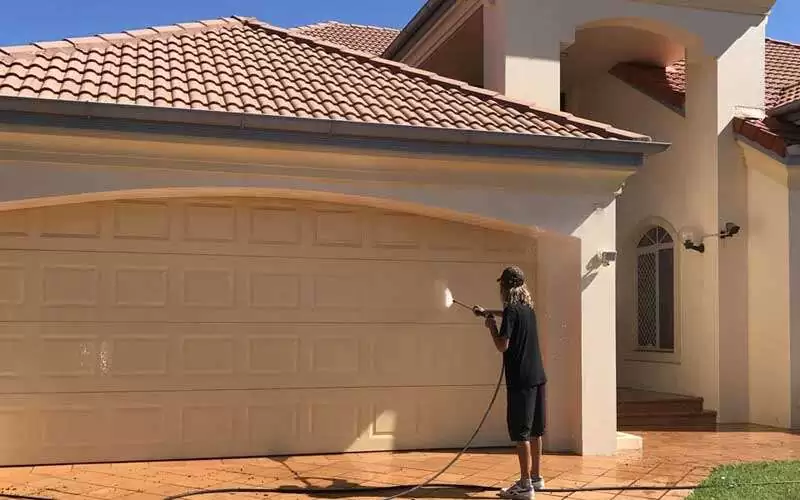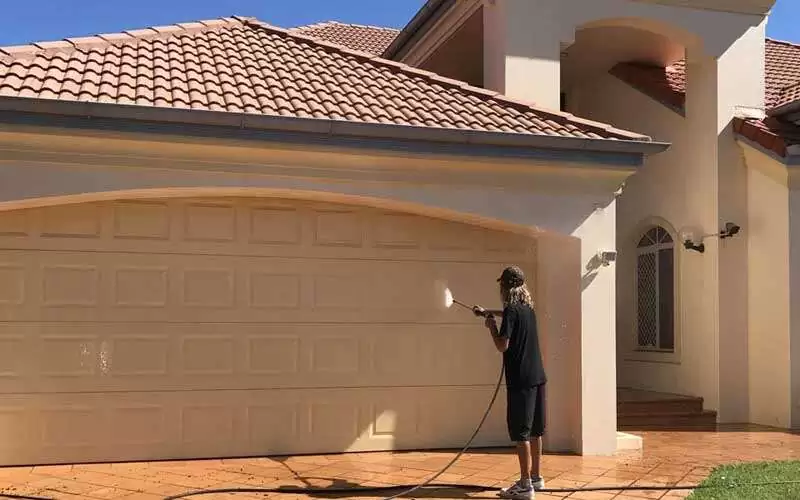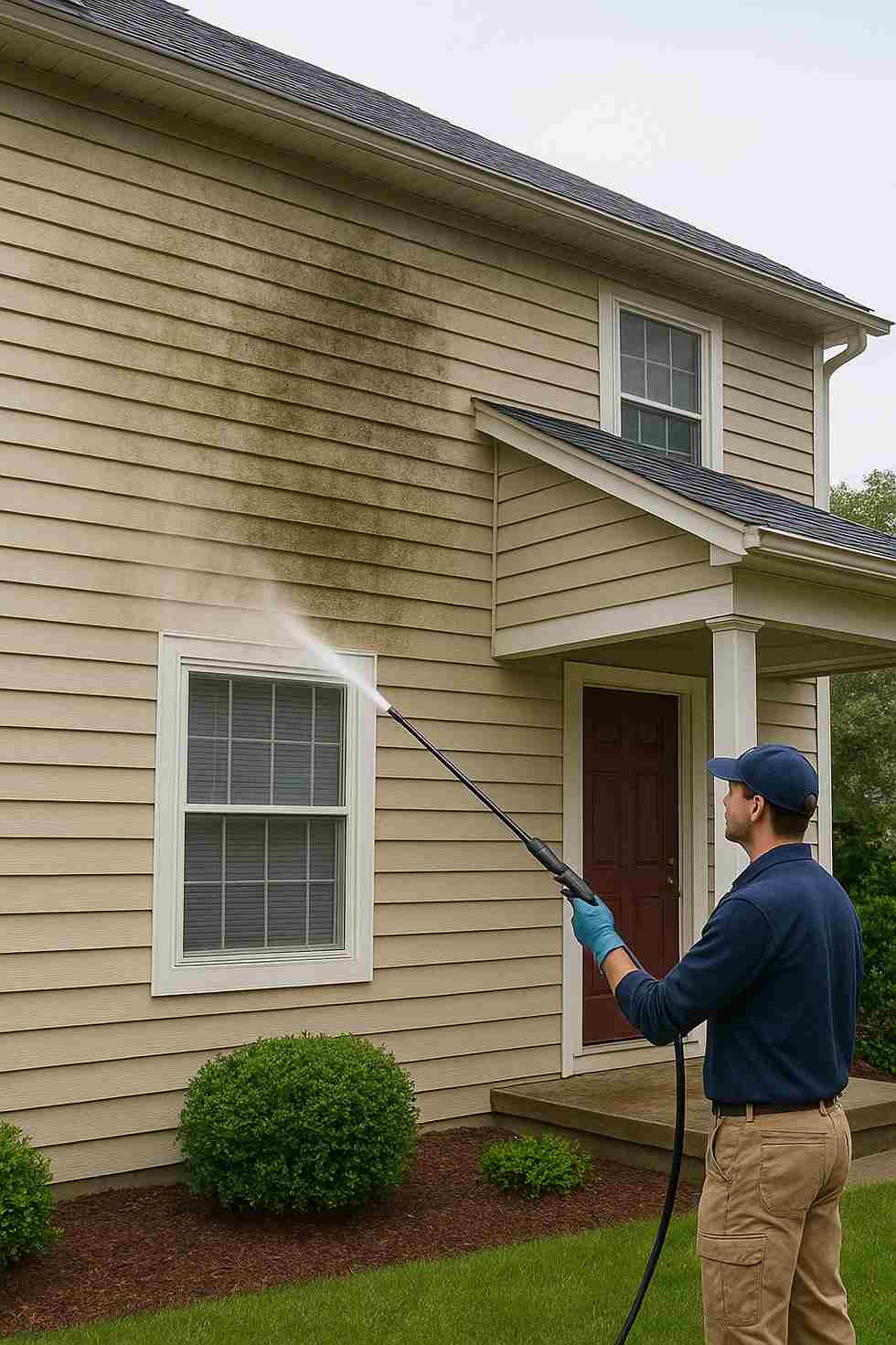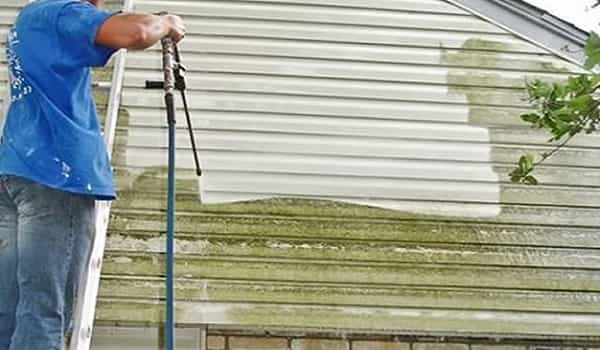


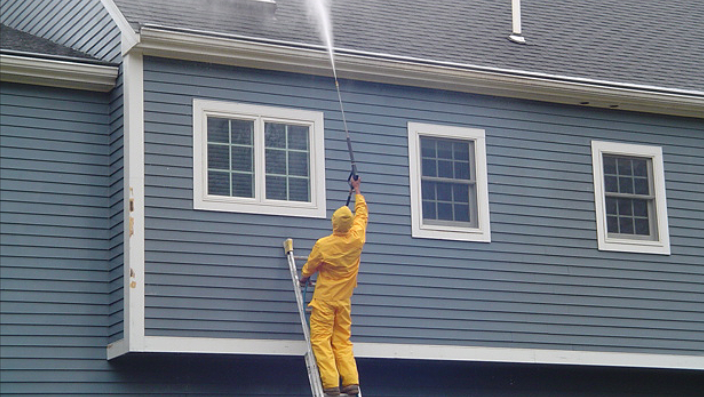
Power washing, also known as pressure washing, is a popular method used to clean various surfaces, including houses, decks, driveways, and sidewalks. It involves using high-pressure water spray to remove dirt, grime, mold, mildew, and other contaminants from surfaces, leaving them looking fresh and clean. In this article, we will explore the benefits of power washing for your house, how to prepare for power washing, step-by-step guide for power washing your house, common mistakes to avoid, safety tips, aftercare, DIY vs professional power washing, environmental considerations, and frequently asked questions.
Introduction
As a homeowner, maintaining the exterior of your house is crucial for its curb appeal and overall condition. Over time, dirt, algae, mold, mildew, and other contaminants can accumulate on the exterior surfaces of your house, making it look dirty, dingy, and unattractive. This is where power washing can be highly beneficial.
What is Power Washing?
Power washing is a cleaning technique that uses a high-pressure water spray to remove dirt, grime, mold, mildew, and other contaminants from various surfaces. It involves using a specialized machine that generates water pressure ranging from 1500 to 4000 pounds per square inch (psi) or even higher, depending on the surface being cleaned and the level of dirt or stains. The high-pressure water spray, along with the appropriate cleaning solution, helps to break down and remove the contaminants, leaving the surfaces clean and rejuvenated.
Benefits of Power Washing for Your House
Power washing offers several benefits for your house, including:
- Enhanced Curb Appeal: Power washing can dramatically improve the appearance of your house by removing dirt, grime, mold, mildew, and stains from the exterior surfaces, giving your house a fresh and clean look.
- Prevents Damage: Accumulated dirt, grime, mold, and mildew can damage the exterior surfaces of your house over time. Power washing helps to prevent such damage by removing these contaminants, thereby extending the lifespan of your house's exterior.
- Saves Time and Effort: Power washing is a quick and efficient method of cleaning compared to traditional cleaning methods that require scrubbing and scraping. It saves you time and effort, allowing you to focus on other important tasks.
- Protects Your Health: Mold, mildew, and algae growth on the exterior surfaces of your house can pose health risks to you and your family. Power washing helps to remove these contaminants, ensuring a healthier living environment.
- Increases Property Value: A clean and well-maintained exterior can significantly increase the value of your property. Power washing can help you achieve a higher resale value for your house by improving its curb appeal.
How to Prepare for Power Washing
Before you start power washing your house, proper preparation is essential to ensure effective and safe cleaning. Here are some steps to follow:
- Clear the Area: Remove any furniture, decorations, or other items from the area that you are planning to power wash. Also, cover any delicate plants or shrubs to protect them from the high-pressure water spray.
- Trim Overhanging Trees or Shrubs: Trim any overhanging branches or shrubs that may obstruct the power washing process or cause damage to the surfaces being cleaned.
- Inspect the Surfaces: Before starting power washing, carefully inspect the surfaces of your house for any loose or damaged paint, cracks, or other defects. Make necessary repairs or touch-ups to ensure that the surfaces are ready for power washing.
- Disconnect Electrical Connections: If you have any electrical outlets or connections on the exterior of your house, such as outdoor lights or power outlets, make sure to disconnect them to prevent any potential electrical hazards during the power washing process.
- Cover Windows and Doors: Use plastic or waterproof covers to protect windows, doors, and other openings from the high-pressure water spray. This will prevent water from seeping into your house and causing damage.
- Wear Protective Gear: When power washing, always wear appropriate protective gear, such as goggles, gloves, and non-slip shoes, to protect yourself from the high-pressure water spray and cleaning solutions.
Step-by-Step Guide for Power Washing Your House
Once you have properly prepared for power washing, you can follow these step-by-step instructions to effectively clean the exterior surfaces of your house:
Step 1: Set up the Power Washer
Set up the power washer according to the manufacturer's instructions. Fill the reservoir with the appropriate cleaning solution, if required.
Step 2: Start with Low Pressure
Start with low pressure to test the pressure washer and get familiar with its operation. Begin from a safe distance and gradually move closer to the surfaces being cleaned, maintaining a consistent distance of 1-2 feet for optimal cleaning.
Step 3: Clean from Top to Bottom
Always clean from top to bottom to allow the dirty water to flow downwards and prevent streaks or stains. Use long, sweeping motions and avoid spraying directly at a 90-degree angle to the surfaces to prevent damage.
Step 4: Use the Right Nozzle and Pressure
Use the appropriate nozzle and pressure setting for different surfaces. For example, use a 25- to 40-degree nozzle for general cleaning of walls and siding, and a 15- to 25-degree nozzle for tougher stains or concrete surfaces. Adjust the pressure accordingly to avoid damaging the surfaces.
Step 5: Clean in Sections
Divide the surfaces into smaller sections and clean them one at a time. Avoid letting the cleaning solution dry on the surfaces, as it can leave streaks. Rinse thoroughly with clean water after applying the cleaning solution.
Step 6: Pay Attention to Details
Pay attention to details such as corners, edges, and crevices, where dirt and grime may accumulate. Use a narrower nozzle or a brush attachment for hard-to-reach areas.
Step 7: Rinse Thoroughly
After cleaning all the sections, thoroughly rinse the surfaces with clean water to remove all the cleaning solution, dirt, and grime. Start from the top and work your way down, making sure no residue is left behind.
Step 8: Dry the Surfaces
Allow the surfaces to air dry naturally. Avoid using high pressure to dry the surfaces, as it can cause damage. Once the surfaces are dry, you can inspect them for any missed spots and touch them up if necessary.
Common Mistakes to Avoid While Power Washing
Power washing can be an effective cleaning method, but it's important to avoid some common mistakes that can cause damage or result in ineffective cleaning. Here are some mistakes to avoid:
- Using Too Much Pressure: Using excessively high pressure can damage the surfaces, strip paint, or cause water to seep into your house. Always use the appropriate pressure setting for the surfaces being cleaned.
- Holding the Nozzle Too Close: Holding the nozzle too close to the surfaces can cause damage, strip paint, and create streaks. Maintain a consistent distance of 1-2 feet from the surfaces being cleaned.
- Neglecting Safety Gear: Not wearing appropriate protective gear, such as goggles, gloves, and non-slip shoes, can result in injuries from the high-pressure water spray or cleaning solutions. Always prioritize safety and wear the necessary gear.
- Skipping Preparatory Steps: Skipping preparatory steps, such as clearing debris, inspecting surfaces, and disconnecting electrical connections, can lead to incomplete or ineffective cleaning, or even cause damage to surfaces or electrical hazards.
- Overlooking Details: Not paying attention to details, such as corners, edges, and crevices, can result in missed spots and uneven cleaning. Take your time and thoroughly clean all areas for a consistent and thorough result.
- Allowing Cleaning Solution to Dry: Allowing the cleaning solution to dry on the surfaces can leave streaks or residues. Rinse thoroughly with clean water after applying the cleaning solution to ensure a clean and streak-free finish.
- Using the Wrong Nozzle or Pressure Setting: Using the wrong nozzle or pressure setting for different surfaces can cause damage or ineffective cleaning. Always use the appropriate nozzle and pressure setting according to the manufacturer's recommendations and the surfaces being cleaned.
- Neglecting to Rinse Thoroughly: Not rinsing the surfaces thoroughly with clean water after applying the cleaning solution can result in residue and streaks. Take the time to rinse all surfaces properly to ensure a clean and spotless finish.
Conclusion
Power washing can be a highly effective method for cleaning the exterior surfaces of your house, but it requires proper preparation, technique, and attention to detail. By following the outlined steps and avoiding common mistakes, you can achieve a clean and refreshed look for your house. Remember to prioritize safety, use the appropriate protective gear, and follow manufacturer's instructions for your power washer. With proper care and attention, power washing can be a valuable tool in maintaining the cleanliness and appearance of your home.