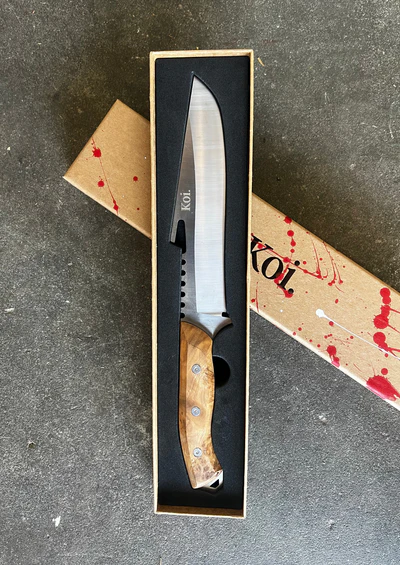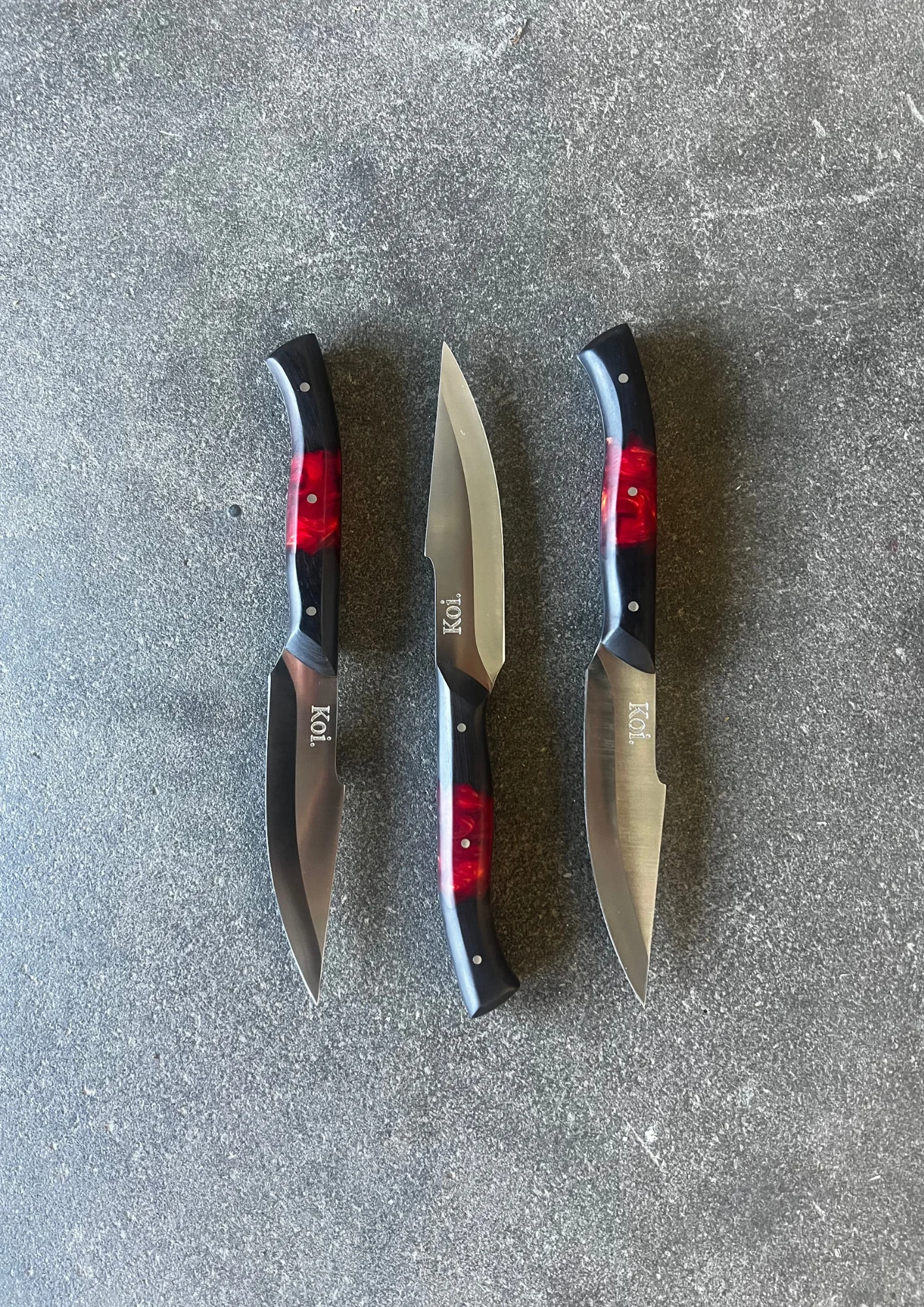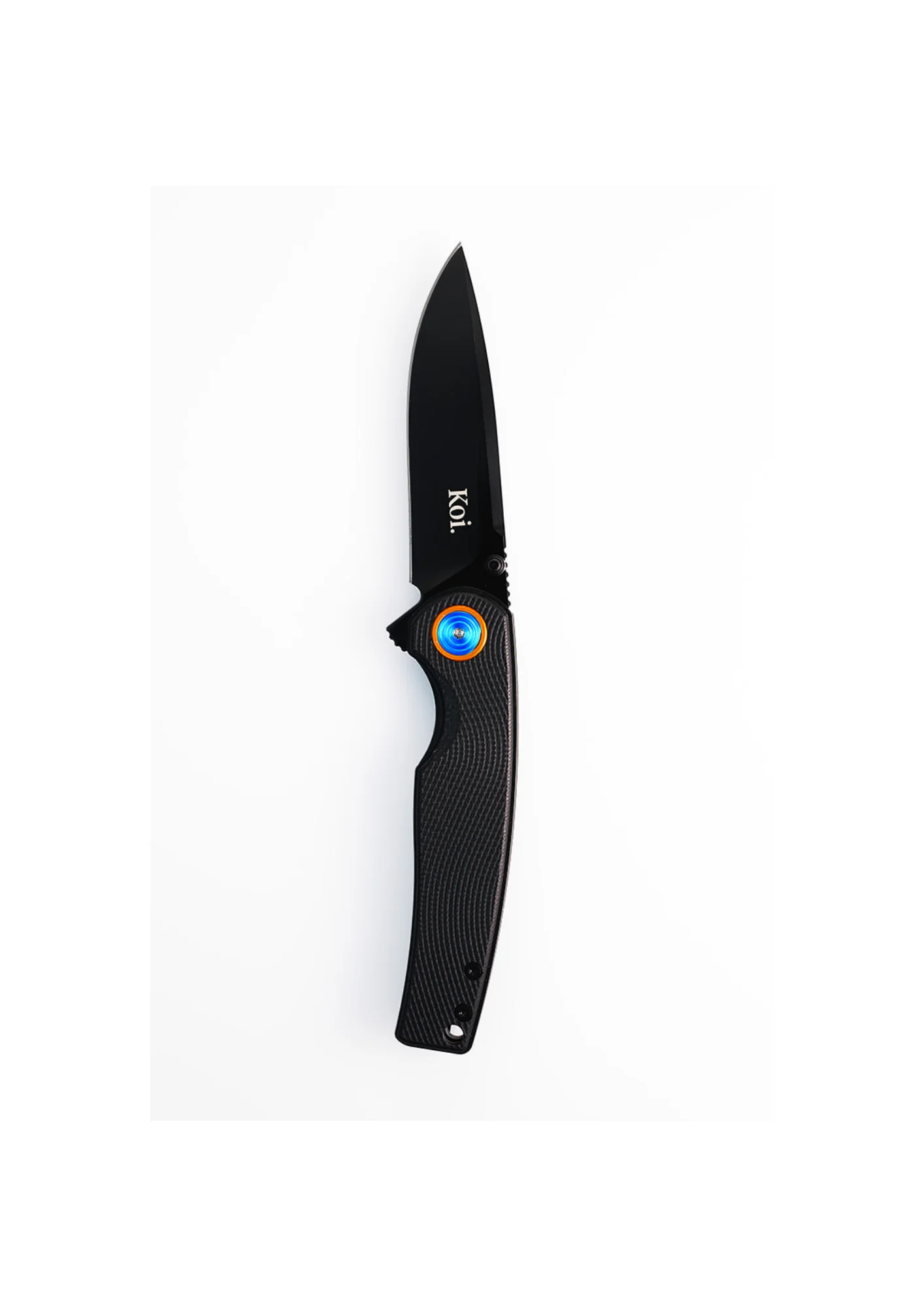


In the pastry and baking world, the serrated knife you choose can break or make your career. Your knife should be efficient and functional. It should also cut through bread without damaging the crumb. As a professional chef, you need to know that the right knife for cutting bread should protect the texture and integrity of your bread so that it does not get compressed in the cutting process. It is also important to know that the knife should produce even slices because this improves the presentation of your food.
The knife you choose should protect the crust from crumbling and wasting a lot of bread. It should also make cutting pastry easier since you do not need to strain your hands. These things depend on the quality of the knife you choose. Here are some different factors that influence the quality of your knife.
The handle
Your serrated knife’s handle affects your ability to work. Your comfort, control and manoeuvrability will be influenced whilst working. You should choose an ergonomic handle that is slip-proof. When selecting a handle, you should look for the shape, surface and components.
The surface of a good handle should be anti-slip. It should provide a good grip which leads to better control. The shape of the handle should be ergonomic. The handle should be seamless and simple. It can feature three rivets at most or a single-piece material. The handle of your Japanese kitchen knives should have enough knuckle clearance for you to get a comfortable and firm grip.
The Serration
Bread kitchen knives should have serration on the edge to give you a smooth and clean cut. The serrations of the knife make it easy for you to saw and cut through crusty bread into the interior softer part with minimal friction. When there is excess friction, it causes shedding, crumbling and tearing. This can affect the presentation of the bread. When choosing a good knife, you should look for pointier and deeper serrations. They are versatile and give clean slices. You should also look for serrated kitchen knives with fewer serrations. When a knife has fewer serrations, more force is created when cutting crusty bread and this makes the knife effective.
The blade
The blade is the most important part of your knife. When selecting a blade, you should look at different factors such as thickness, length and material.
The length
Most bread knives have a seven to ten-inch blade. Your ideal choice depends on the type of bread. A longer blade does great on crusty bread with a soft interior and a tough exterior. When using a sawing action, longer blades are more efficient than shorter blades. You will do less work and get more slices. Longer blades make it easier to slice into bigger loaves.
The thickness
When choosing a serrated knife, you should know that a narrow-angled, thin blade works best. A thin blade will create minimum friction whilst cutting and this will give you a smoother slice with very little to no crumbling.