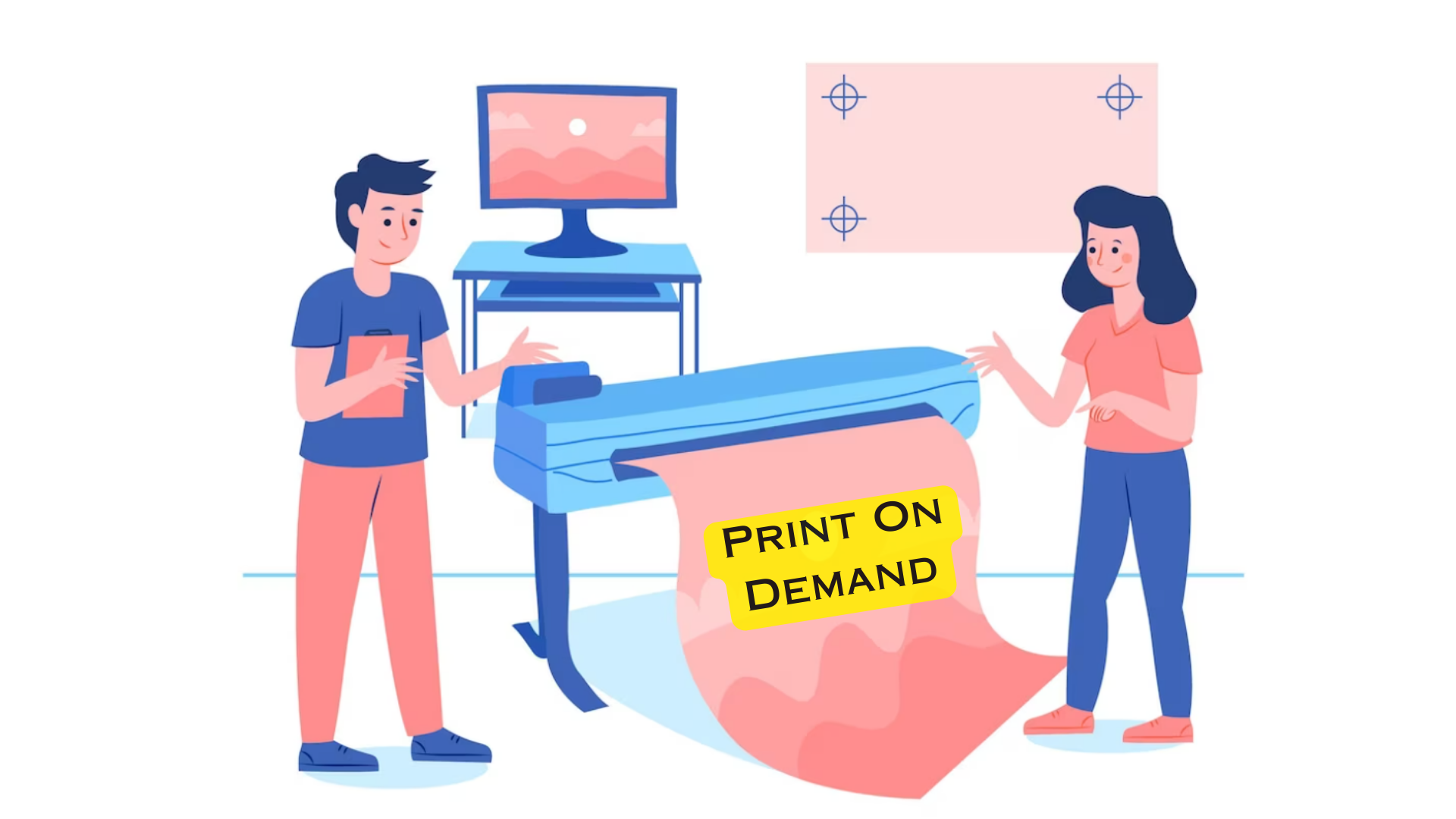


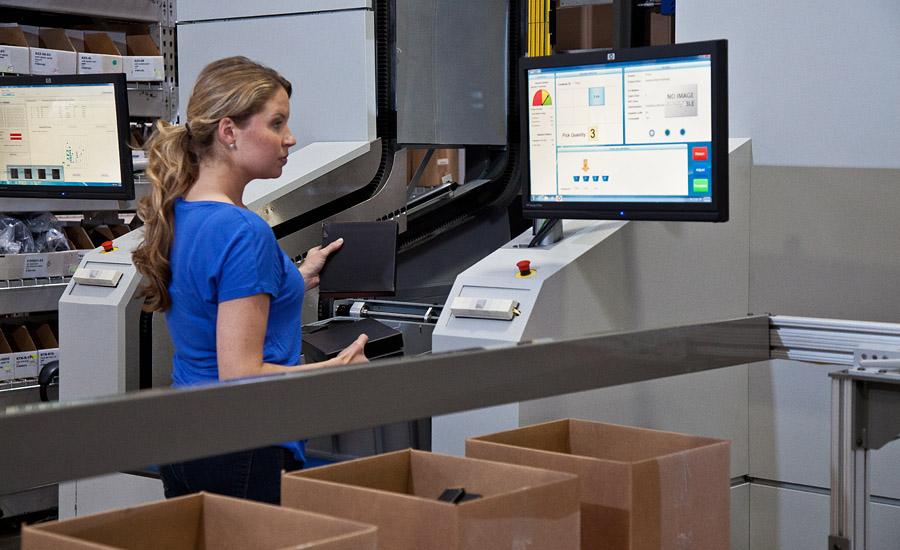
Print-on-demand (POD) order fulfillment service is a type of fulfillment service where products, such as books, apparel, or artwork, are printed only when an order is placed. This allows businesses to avoid the upfront costs of printing and storing large quantities of inventory
.
The POD order fulfillment process typically involves the following steps:
- Integration: The business integrates its online store or e-commerce platform with the POD provider's system to automate the order process.
- Product creation: The business creates product templates or designs that will be printed on demand.
- Order placement: The customer places an order on the business's website, selecting the desired product and design.
- Printing: The POD provider prints the product with the customer's chosen design or template.
- Quality control: The POD provider checks the quality of the printed product to ensure it meets the business's standards.
- Packaging and shipping: The POD provider packages the product and ships it directly to the customer.
By using a print-on-demand order fulfillment service, businesses can reduce their inventory and storage costs, and avoid the risks associated with overstocking or understocking. They can also offer a wider variety of products to their customers without the need to invest in costly production equipment or facilities. Additionally, businesses can benefit from the expertise and infrastructure of the POD provider, allowing them to focus on their core business activities.
POD Integration
POD (Print on Demand) integration involves connecting a business's e-commerce platform or online store with a POD provider's system. This integration allows orders to be automatically sent from the business's website to the POD provider, who then prints and ships the products to customers on behalf of the business.
The integration process typically involves the following steps:
- Select a POD provider: The business selects a POD provider that offers the products they want to sell, such as books, apparel, or artwork.
- Set up an account: The business sets up an account with the POD provider and provides information such as their business name, contact information, and payment preferences.
- Install the integration software: The business installs the integration software provided by the POD provider onto their e-commerce platform or online store. This software typically includes a plugin or API that connects the two systems.
- Customize settings: The business customizes the settings for the integration, such as which products to offer, pricing, and shipping options.
- Test the integration: The business tests the integration to ensure that orders are being sent correctly to the POD provider and that products are being printed and shipped to customers as expected.
By integrating with a POD provider, businesses can benefit from a streamlined fulfillment process that eliminates the need to manually manage printing and shipping. They can also offer a wider variety of products to their customers without the need to invest in costly production equipment or facilities.
Additionally, businesses can benefit from the expertise and infrastructure of the POD provider, allowing them to focus on their core business activities.