Bone cancer is a rare but serious form of cancer that can be difficult to treat using traditional methods. Cryoablation devices offer a promising alternative for the treatment of bone cancer, with minimal invasiveness and high success rates.
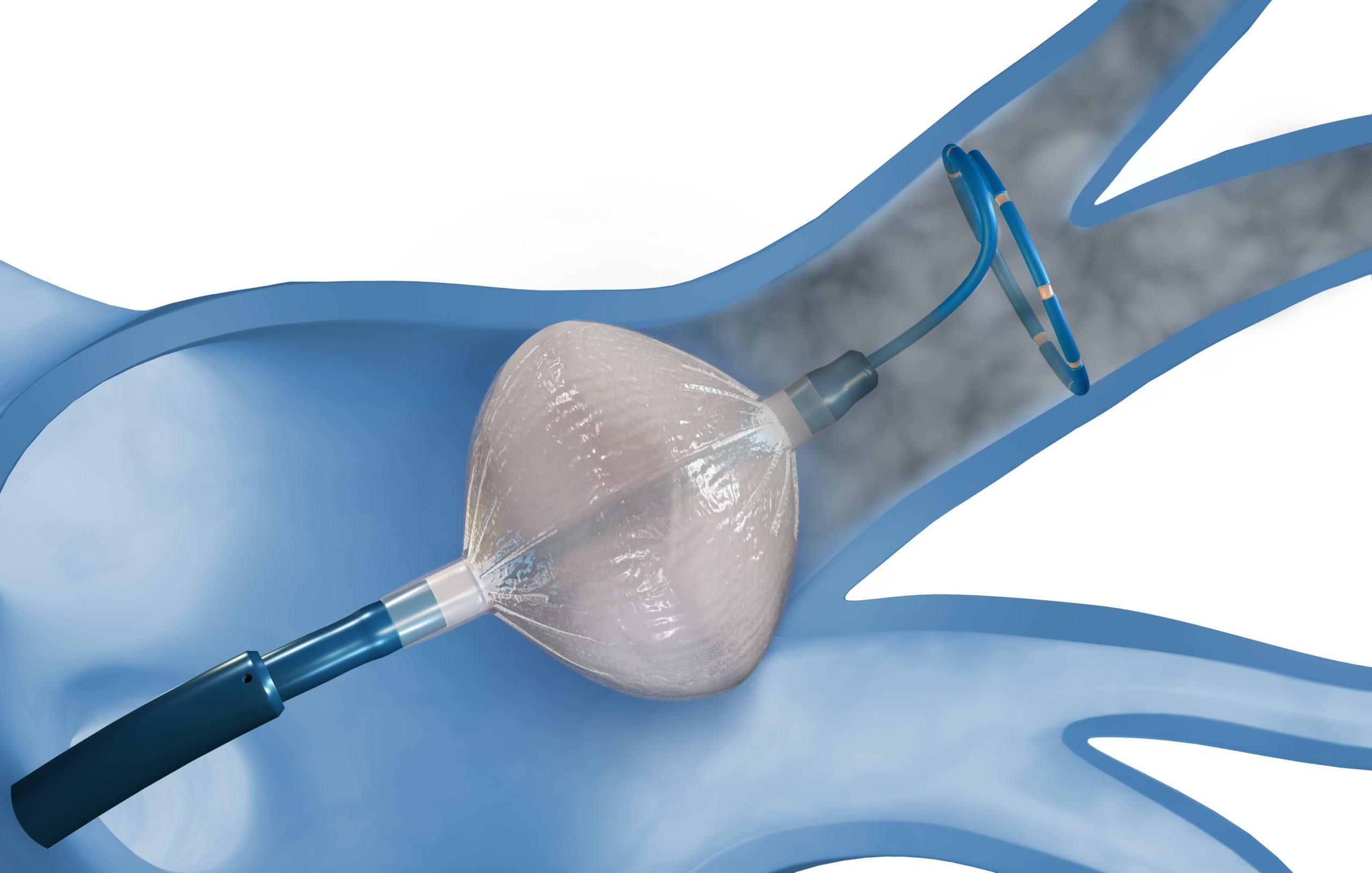
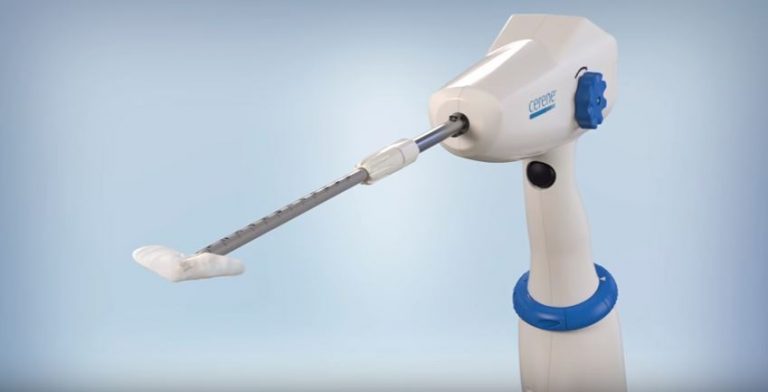
The procedure involves the use of a small probe, which is inserted into the tumor through a small incision in the skin. The probe is then cooled to very low temperatures, which causes the cancer cells to freeze and die. Cryoablation devices are particularly effective for the treatment of small tumors, and for patients who are not suitable candidates for surgery or other forms of treatment.
Cryoablation devices offer several benefits for the treatment of bone cancer. The procedure is minimally invasive, and can often be performed on an outpatient basis. It also offers a low risk of complications and minimal side effects, with most patients experiencing a quick recovery time. Cryoablation devices also offer a high success rate, with most patients experiencing a significant reduction in tumor size or complete tumor destruction.
Cryoablation also typically requires less anesthesia and can be performed on an outpatient basis, allowing patients to go home the same day as the procedure.
Despite its benefits, cryoablation is not suitable for all patients or conditions. The procedure may not be effective for larger tumors or tumors that are located in areas that are difficult to access. Cryoablation may also be less effective than surgery for certain types of cancer, such as those that have spread to nearby lymph nodes or other organs. Additionally, cryoablation can cause some side effects, such as pain, swelling, and numbness in the treated area.