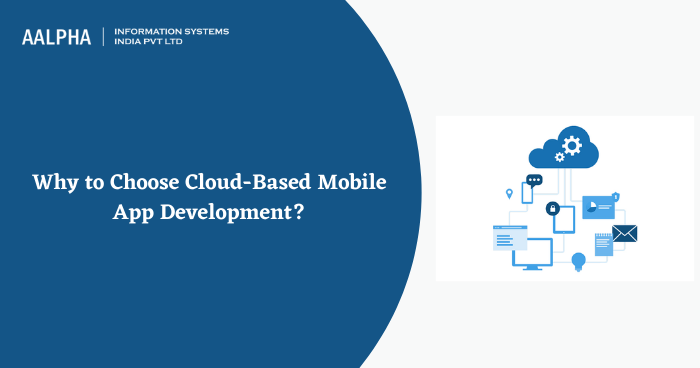
Cloud-based applications are mobile applications that have a cloud-based backend. These applications are connected to remote servers to fetch and send data and process information. Cloud-based applications are essential because they allow developers to build mobile applications that are synchronized with desktop or web apps, creating a comprehensive environment for users on different platforms.
Developing cloud-based applications requires software engineers to pick, connect, and configure a dedicated server when creating a new app. Cloud-based applications have data synchronization, high scalability, and internet connection reliance features. They allow users to access files, data, and messages saved under their accounts and modify them having stable internet access. The information synchronizes with web and desktop applications simultaneously.
The Cloud-based application development market is projected to grow steadily. According to a report prepared by Statista, the Cloud-driven app market will reach the $168 billion milestone in 2025. The three major app types that can be developed are native, cross-platform, and hybrid. Native applications are built specifically for targeted platforms like iOS or Android. Cross-platform mobile apps can work on multiple platforms using a single codebase. Hybrid applications are web apps with an additional layer enabling them to be installed on mobile devices.
Cloud-based mobile applications have their backends connected to a cloud, and their databases are stored on remote servers. The most popular cloud development platforms for cloud-based application development are Google Cloud, Amazon Web Services, and Microsoft Azure. Involve a UI/UX designer to create a mockup of your application. It’s also advisable to involve a business analyst to develop a well-thought-out user experience (UX) design. At this stage of Cloud application development, you should define the tech peculiarities of an app. Involving a tech expert to define an app’s architecture and data flow is necessary.
If you don’t have a team of software engineers, you can employ in-house developers, hire a dedicated team, or delegate product development to an external vendor. Hire developers with the required skills and cloud-based applications development expertise. Onboard team members to a project by sharing all the information with involved developers. It’s advisable to install tools for communication and project management.
In conclusion, cloud-based applications are essential for mobile applications that require a cloud-based backend. Developing cloud-based applications requires software engineers to pick, connect, and configure a dedicated server when creating a new app. The cloud-based application development market is projected to grow steadily, and the three major app types that can be developed are native, cross-platform, and hybrid. Cloud-based mobile applications have their backends connected to a cloud, and their databases are stored on remote servers. Involve a UI/UX designer to create a mockup of your application, and it’s advisable to involve a business analyst to develop a well-thought-out user experience (UX) design. At this stage of Cloud application development, you should define the tech peculiarities of an app. Hire developers with the required skills and cloud-based applications development expertise.