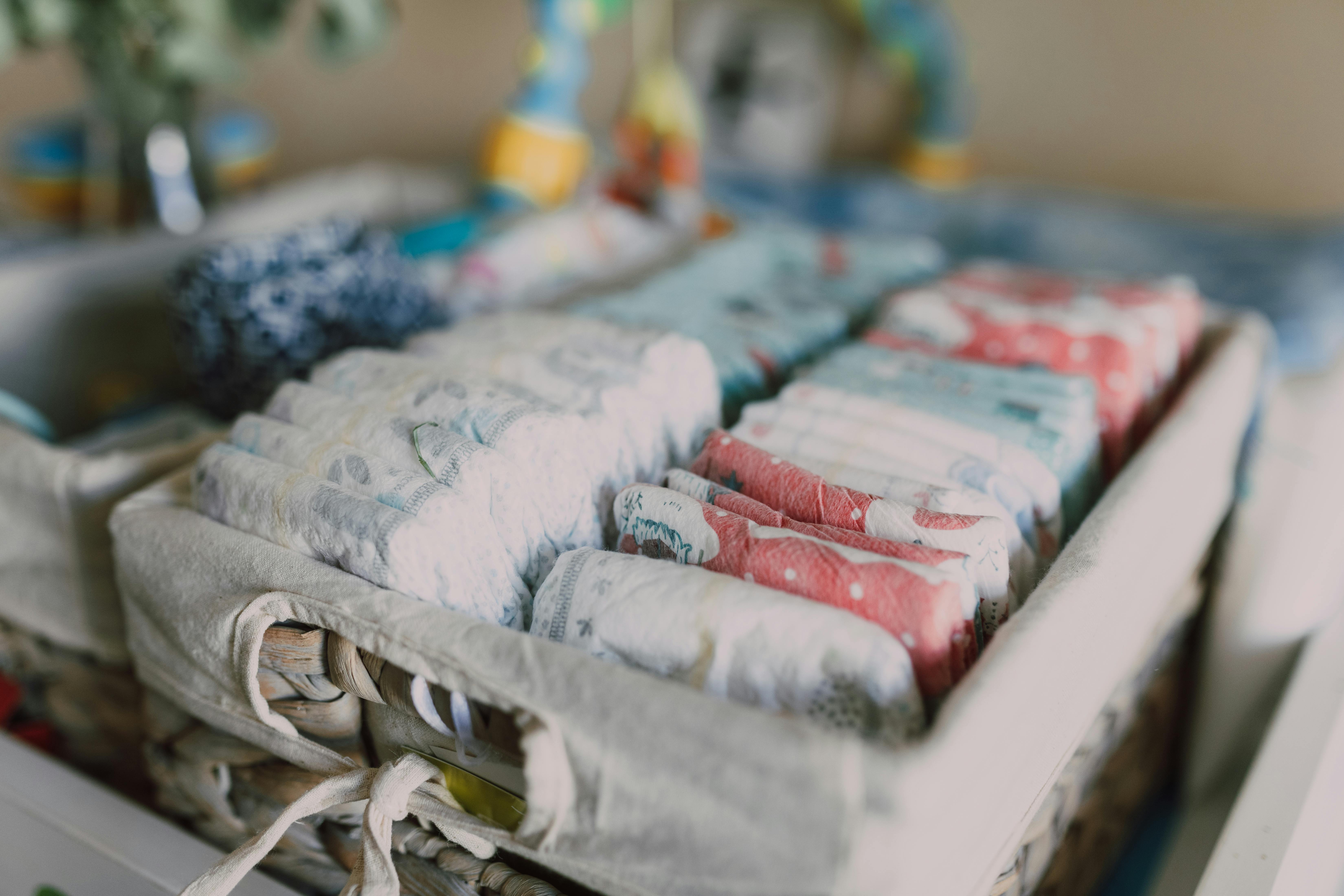
A huge portion of the world's population suffers from urinary incontinence. It can be due to anything from advancing age to a surgical procedure which may cause you to lose your control over your bladder leading to involuntary release of urine. This is a big problem not just because of the sheer nuisance it creates but also due to the shame that it causes. While you can manage it well using adult diapers, the social taboo surrounding it makes matters worse for those suffering from this awful condition. Let us take a look at this common condition and see how we can prevent and manage it.
Urinary Incontinence
Urinary Incontinence is a condition characterised by loss of bladder control. This can be a partial loss which can lead to leakage of urine occurring due to simple activities such as sneezing, laughing or coughing or complete loss of control leading to absolute inability to control the release of urine.
What Causes Urinary Incontinence
There are many causes of incontinence. It doesn’t always have to be a medical reason behind it either. Unavailability of a toilet, intoxication, uncontrollable laughter, extreme sneezing or coughing etc are all conditions which can cause temporary urinary incontinence. However, there are other more serious causes of the condition which are as follows:
- Weakened bladder muscles due to old age
- Damaged pelvic floor muscles due to childbirth etc.
- Enlarged prostate
- Prostate or bladder cancer puts pressure on the bladder
- Neurological conditions like dementia, Parkinson’s disease or Alzheimer’s cause you to not reach the toilet in time
- Infections like UTI, bladder infection, kidney infection or kidney stone
- Pregnancy
- Obesity
- Diabetes
- Menopause
Some underlying conditions cause temporary incontinence and can be treated or managed easily using pant-style diapers, bladder training etc. But there are others which are more profound and persistent.
Types of Urinary Incontinence
There are 4 main types of urinary incontinence.
- Stress Incontinence- triggered by exertion or activities like exercising, coughing, sneezing etc as they put stress on the bladder sphincter causing it to release urine.
- Urge Incontinence- It is marked by a sudden and powerful urge to urinate causing you to urinate owing to loss of bladder control.
- Overflow Incontinence- This occurs when you are unable to completely empty your bladder causing you to leak or ‘dribble’ urine.
- Functional Incontinence- It is seen in individuals with cognitive, muscular or neurological issues causing functional limitations due to physical or mental barriers.
How to Prevent Urinary Incontinence
There are some things you can do to prevent urinary incontinence. These are:
● Maintain a healthy weight.
● Avoid intake of bladder irritants like caffeine, citrus foods, chillies and alcohol.
● Drink plenty of water but not more than 2l per day
● Eat fibre-rich food to prevent constipation that can indirectly cause incontinence
● Quit smoking
● Do regular exercise
● Seek treatment for the urinary tract or bladder infections immediately
How to Treat and Manage Urinary Incontinence
There are multiple treatment and management options available for incontinence, such as:
- Bladder Training- You will be taught certain exercises to strengthen your pelvic floor muscles to improve the tone of your bladder muscles for better control. In addition. to this, you may also be trained for intermittent bladder discharge which is a technique to hold urine for a set amount of time and gradually increase it to train your bladder to control leakage.
- Behaviour Therapy- This includes different habit adjustments like checking your fluid intake, taking a balanced diet free from bladder irritants, using the toilet at scheduled times to decrease the urge to pee, and so on.
- Condition Management- If your incontinence issue stems from another health condition like urinary tract infection or constipation, then treating that condition can significantly improve your incontinence.
- Medication- Some medications may help in managing bladder incontinence, depending upon its cause. Antimuscarinics, which is a class of drugs, may be used to treat an overactive bladder.
- Catheterisation- This method is usually employed when your incontinence issue is persistent and negatively affecting your daily life. Your doctor may suggest that you make use of an internal or external catheter to manage overflow incontinence and sometimes even functional incontinence.
- Weight Loss- If you are overweight, your doctor may suggest that you lose some weight to relieve the pressure that your excess weight may be putting on your bladder.
- Incontinence briefs- Diapers for senior citizens are an effective means to manage bladder incontinence. You can wear them just like regular underwear and allow them to absorb the uncontrollably released urine. This will prevent its leakage and help to keep you dry and comfortable.
- Improving Bathroom Accessibility- Often old age and sometimes certain health conditions limit your mobility and make it difficult for you to navigate the bathroom in time to relieve yourself. Hence, reducing the barriers in your restroom and creating a well-lit and straight path can help you use the facilities easily, especially at night.
Conclusion
Urinary Incontinence is a fairly common health condition that many individuals suffer from in their daily lives. But it can very well be managed by taking care to treat the underlying cause, using adult diapers and adopting a judgment-free outlook towards this global problem.

When it comes to your incontinence needs Pull Up Diapers from Naturevee are your partner.
Our pull up style diapers is easy to wear and take off offering convenient leg cuffs.
Made of soft material, it offers maximum absorbency as well as neutralize odors ensuring comfort and confidence.