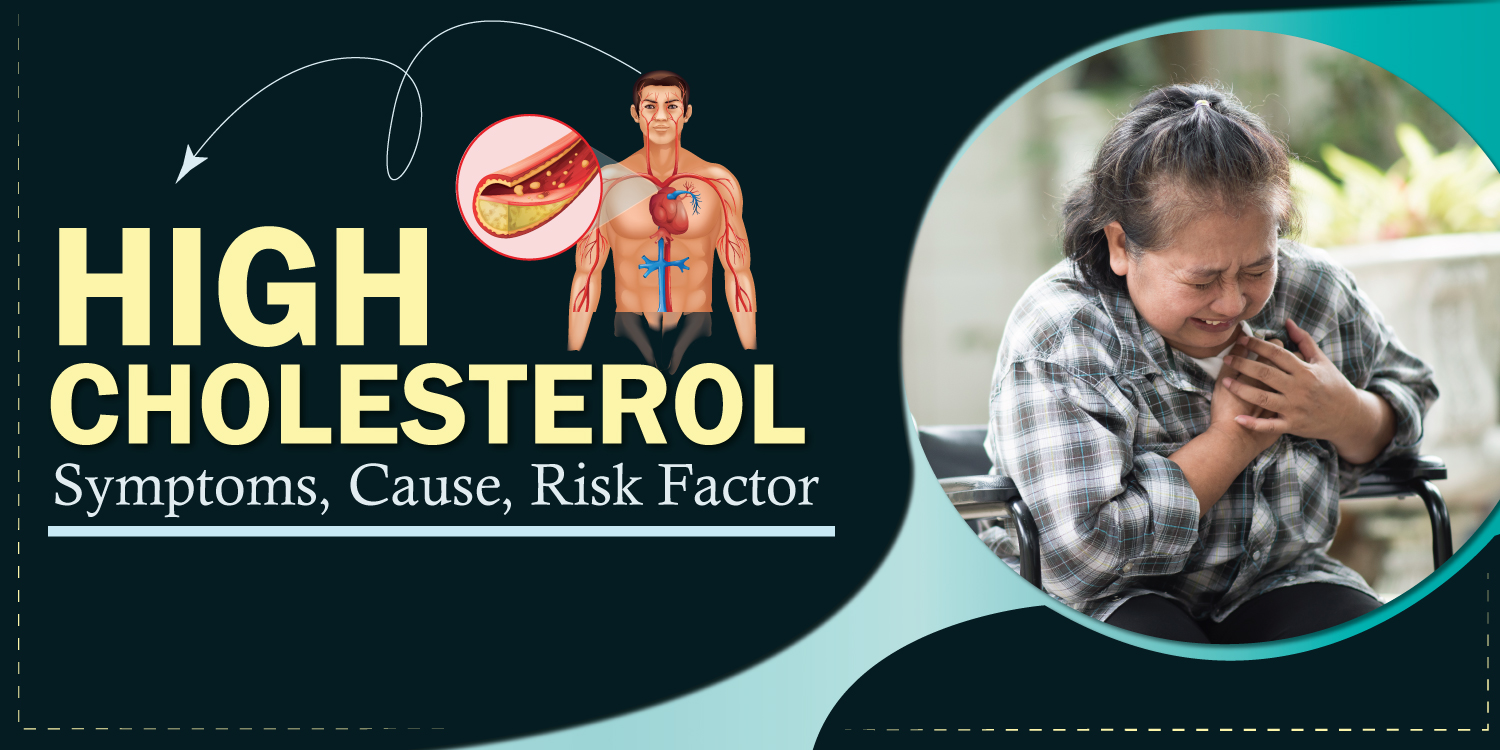
Cholesterol Risks
Cholesterol is a fat-like substance that is found in all the cells in our bodies. It is an important part of the human body; it helps to maintain the structure of cell walls and to produce hormones, bile acids and vitamin D. However, too much cholesterol can be unhealthy and can increase the risk of developing heart disease, stroke and other cardiovascular diseases.
Cholesterol is made in the liver and also comes from the food we eat. We get dietary cholesterol from animal foods such as eggs, dairy products and meat. To reduce the risk of cardiovascular disease, it is recommended to limit the intake of dietary cholesterol.
The two most common forms of cholesterol are LDL (low-density lipoprotein) and HDL (high-density lipoprotein). LDL is the primary type of cholesterol and is linked to a higher risk of heart disease. HDL cholesterol is considered to be beneficial as it helps to remove LDL cholesterol by taking it back to the liver where it can be broken down. Therefore, it is important to have a healthy balance of both types of cholesterol.
Cholesterol Doctors
If you have any concerns about your cholesterol levels, it is important to speak to a doctor. A doctor can help to diagnose and treat any problems that might be related to increased cholesterol. They may also refer you to a specialist in cholesterol management, such as a lipidologist.
A lipidologist is a doctor who specializes in treatment of disorders related to cholesterol levels. They can help to provide advice on how to reduce your cholesterol levels and reduce your risk of heart disease and other conditions. Lipidologists may prescribe medications to lower cholesterol or refer you for lifestyle changes and dietary recommendations.
Cardiovascular Risk
High cholesterol levels can increase the risk of developing cardiovascular diseases, such as heart attack and stroke. It is important to maintain a healthy lifestyle that includes regular exercise, healthy eating and not smoking. This can help to reduce the risk of developing cardiovascular disease by reducing the levels of “bad” LDL cholesterol.
It is also important to eat a balanced diet that is low in saturated and trans-fats and high in unsaturated fats, fruits and vegetables. Eating foods such as fish, nuts, seeds and vegetable oils can help to reduce cholesterol levels. Regular consumption of whole grains and grains that are low on the glycaemic index can also help to reduce cholesterol levels.
Overall, it is important to be mindful of cholesterol levels and the potential risk of developing cardiovascular diseases. It is best to speak to a doctor if you have any concerns about your cholesterol levels or your risk of cardiovascular disease.



A New Research on the Global Cholesterol-Lowering Drug Industry was ran to generate useful and effective reports.
This analysis is an ideal mix of quantitative and qualitative data that highlights barriers, gap analysis of competitions and business, and essential market progress and also will fad on the marketplace.The Market Report provides a view of this marketplace concerning cutting-edge technologies, crucial developments, pharmaceuticals, drivers, and potential trends, giving an evaluation of the effect on those tendencies in the short term and medium markets and extended duration throughout the prediction phase.
Market reports also consist of key players that resides using comprehensive SWOT analysis, fiscal details, and important developments in services or products within the previous 3 decades.Request Sample Copy at: https://introspectivemarketresearch.com/request/211Key Player Mentioned: AstraZeneca, Merck, Kowa, Daiichi Sankyo, Abbvie, Novartis, Sanofi, Amgen, Lepu Medical, Pfizer, Beijing Jialin Pharmaceutical, Cadila Healthcare Limited, Ranbaxy Laboratories Limited, Zhejiang Hongyuan Pharmaceutical, ALPHA, MENOVOProduct Segment Analysis: Tablet, Capsule, OtherApplication Segment Analysis: Statins, Bile acid binding resins, Cholesterol absorption inhibitorRegional Segment Analysis: USA, Europe, Japan, China, India, South East AsiaCompetitive analysis of leading market participants is another notable feature of the Cholesterol-Lowering Drug report, which identifies direct and indirect competitors within the market.
additionally , an analysis of the strengths and weaknesses of a market-competitive company provides a competitive advantage, improving the company's efficiency and productivity.
Identifying high profit segments is that the overall goal of market report segmentation.Ask For Discount at: https://introspectivemarketresearch.com/discount/211The report also provides an in-depth study of price trends, business strategies, customer positioning, pricing and branding strategies.
Several analytical tools, like the Porters Five Forces Model, Value Chain Analysis, and SWOT Analysis, are wont to provide insight into the prevailing competition within the Cholesterol-Lowering Drug market.The key questions answered within the report:1. what is going to be the market size and rate of growth within the forecast year?2.