


Blockchain technology has become increasingly popular in recent years due to its ability to facilitate secure and decentralized transactions. However, understanding the technology behind blockchain can be a challenge, particularly when it comes to blockchain protocol. In this article, we'll delve deeper into what blockchain protocol is, how it works, and the benefits and limitations of this technology.
What is Blockchain Protocol?
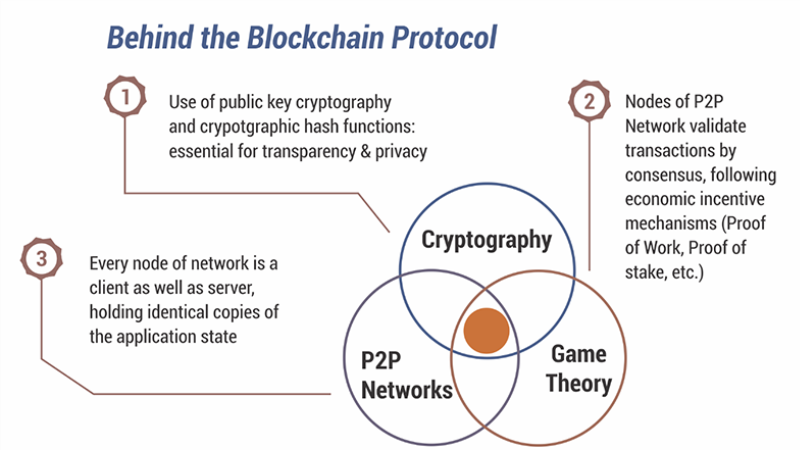
In this blog, we will discuss what blockchain protocol actually is. At its core, blockchain protocol is a set of rules that govern the way transactions are processed and added to a blockchain. A blockchain is essentially a digital ledger of transactions that is distributed across a network of computers (nodes), making it virtually impossible to alter or hack. The protocol is what enables this decentralization by ensuring that each node in the network agrees on the validity of a transaction before it is added to the blockchain.
The components of blockchain protocol include nodes, blocks, and consensus algorithms. Nodes are essentially the computers that make up the blockchain network, and each node has a copy of the entire blockchain ledger. Blocks are the individual units that make up the blockchain, containing a group of transactions that have been verified and approved by the network's consensus algorithm. Consensus algorithms are the rules that govern how nodes in the network come to an agreement on the validity of transactions and the addition of new blocks to the blockchain.
How Does Blockchain Protocol Work?
The process of adding transactions to the blockchain begins when a user initiates a transaction. This transaction is broadcast to the blockchain network, and each node in the network works to verify the transaction's validity using the consensus algorithm. Once a majority of nodes agree that the transaction is valid, it is added to a new block, which is then added to the blockchain.
The role of miners is crucial in this process, as they are responsible for verifying transactions and adding new blocks to the blockchain. Miners compete to solve complex mathematical puzzles, and the first miner to solve the puzzle is rewarded with cryptocurrency (in the case of Bitcoin) or some other incentive. This process is known as Proof of Work (PoW), and it is the consensus algorithm used by Bitcoin and several other blockchain networks.
Other blockchain networks, such as Ethereum, use a different consensus algorithm called Proof of Stake (PoS). With PoS, miners are replaced by validators, who are responsible for verifying transactions and adding new blocks to the blockchain. Validators are selected based on the amount of cryptocurrency they hold, and they are rewarded with transaction fees instead of cryptocurrency rewards.
Benefits and Limitations of Blockchain Protocol
The benefits of blockchain protocol are numerous, including security, transparency, and immutability. Blockchain technology is incredibly secure, as each transaction must be verified by a majority of nodes in the network before it is added to the blockchain. Additionally, blockchain technology is transparent, as each node in the network has a copy of the entire blockchain ledger, making it virtually impossible to alter or delete any past transactions. Finally, blockchain technology is immutable, meaning that once a transaction is added to the blockchain, it cannot be changed or deleted.
However, blockchain technology also has some limitations, including scalability and energy consumption issues. Blockchain networks can only process a limited number of transactions per second, which can be a challenge for applications that require high transaction throughput. Additionally, the process of mining cryptocurrency requires a significant amount of computational power, leading to concerns about the environmental impact of blockchain technology.
Real-World Applications of Blockchain Protocol
Despite its limitations, blockchain protocol has numerous real-world applications. Cryptocurrency is perhaps the most well-known application of blockchain technology, but blockchain is also being used in supply chain management, digital identity verification, and even voting systems. Blockchain technology is particularly useful in industries where transparency and security are paramount, such as healthcare and finance.
Conclusion
Blockchain technology is a complex but powerful tool that has the potential to revolutionize the way we conduct transactions and exchange value. By enabling secure and decentralized networks, blockchain protocol offers a level of security and transparency that traditional centralized systems simply cannot match. However, as with any new technology, there are challenges that must be overcome before blockchain can reach its full potential.
As we look to the future of blockchain technology, it's clear that there is still much work to be done. However, the potential benefits of this technology are simply too great to ignore. As we continue to explore new applications and use cases for blockchain protocol, we can expect to see it become an increasingly important tool for businesses and individuals alike.
In conclusion, blockchain protocol is the backbone of blockchain technology, and understanding how it works is key to unlocking its full potential. By providing a secure and decentralized way of processing transactions, blockchain protocol offers numerous benefits for businesses and individuals alike. As we continue to explore the possibilities of blockchain technology, it's clear that the future is bright for this groundbreaking technology.
From cryptocurrency to supply chain management, there are countless real-world applications for blockchain protocol. While there are still challenges to be overcome, such as scalability and energy consumption, the benefits of blockchain technology are simply too great to ignore.
As we look ahead to the future, it's clear that blockchain protocol will play a crucial role in shaping the way we conduct transactions and exchange value. Whether it's through new applications and use cases, or by improving the technology itself, the potential of blockchain is truly limitless. By understanding the basics of blockchain protocol, we can begin to unlock the full potential of this revolutionary technology and realize its many benefits.