


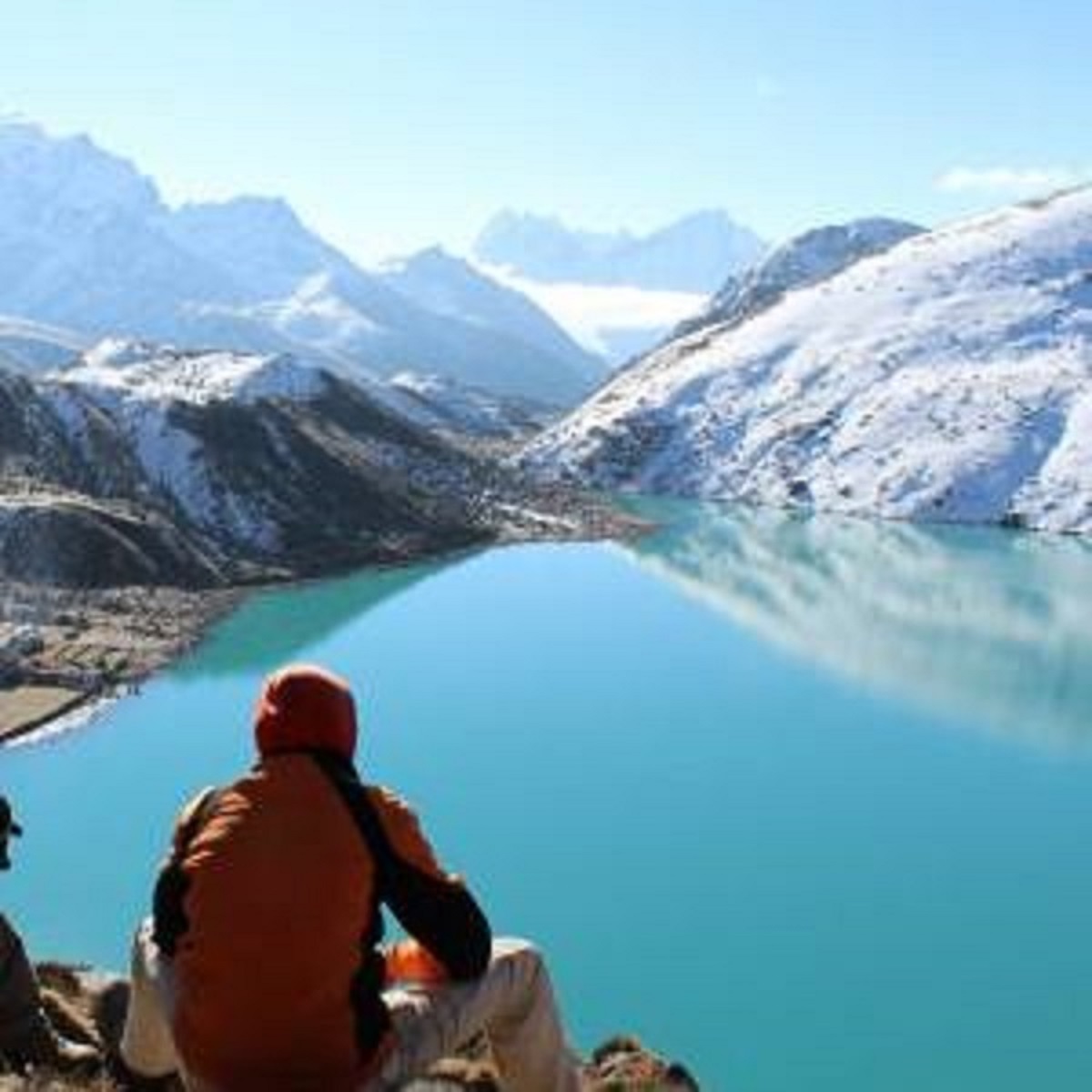
With stunning mountain landscapes, delightful villages, and distinctive cultural encounters, Nepal is undoubtedly one of the top trekking destinations in the world that entices thousands of visitors annually. Nevertheless, picking the ideal time to embark on a trek in Nepal is critical for a memorable experience. Therefore, here's a seasonal guide to aid you in determining the most suitable time for a Nepal trekking adventure.
Autumn (September - November):
Nepal's autumn season provides the most favorable conditions for trekking due to its stable weather patterns, clear skies, and incredible views of the mountains. The days offer comfortable temperatures and abundant sunshine, making it ideal for trekking. However, the nights can be chilly, so packing warm clothing is a must. As it's the peak trekking season in Nepal, the trails can be busy, and booking accommodations and permits in advance is highly recommended.
Winter (December - February):
Trekking in Nepal during the winter season is a breathtaking experience as the snow-capped peaks and crystal-clear blue skies create a stunning landscape. Nonetheless, the weather can be cold, particularly at higher altitudes. While trekking in the Everest and Annapurna regions is still feasible during winter, some higher passes may be closed due to snow. With fewer crowds, the winter season presents a more peaceful and tranquil atmosphere for yourNepal trekkingadventure.
Spring (March - May):
Nepal's spring season is yet another favored time for trekking as the rhododendron forests come to life with vibrant blooms, mild temperatures, and blue skies. Although the weather can be unpredictable, with occasional rain and snowfall at higher elevations, it's still a fantastic season to go trekking. Additionally, spring is the time for festivities like Holi and Nepali New Year, allowing trekkers to engage in local culture and traditions.
Summer (June - August):
Nepal's summer season is characterized by the monsoon season, with regular rainfall and high humidity levels. While trekking in lower elevations can be pleasurable, it can be challenging in higher elevations due to rain and possible landslides. Despite these challenges, trekking during the monsoon season can be an exceptional experience for those who don't mind getting wet and muddy, with lush green forests and fewer tourists on the trails.
Determining the best time to go for Nepal trekking depends on your personal preferences and the trekking destination you select. Each season comes with its own set of benefits & challenges, so it's essential to plan ahead and pack appropriately. With careful planning, you can have a memorable trekking adventure in Nepal, regardless of the time of year you want to visit.


