


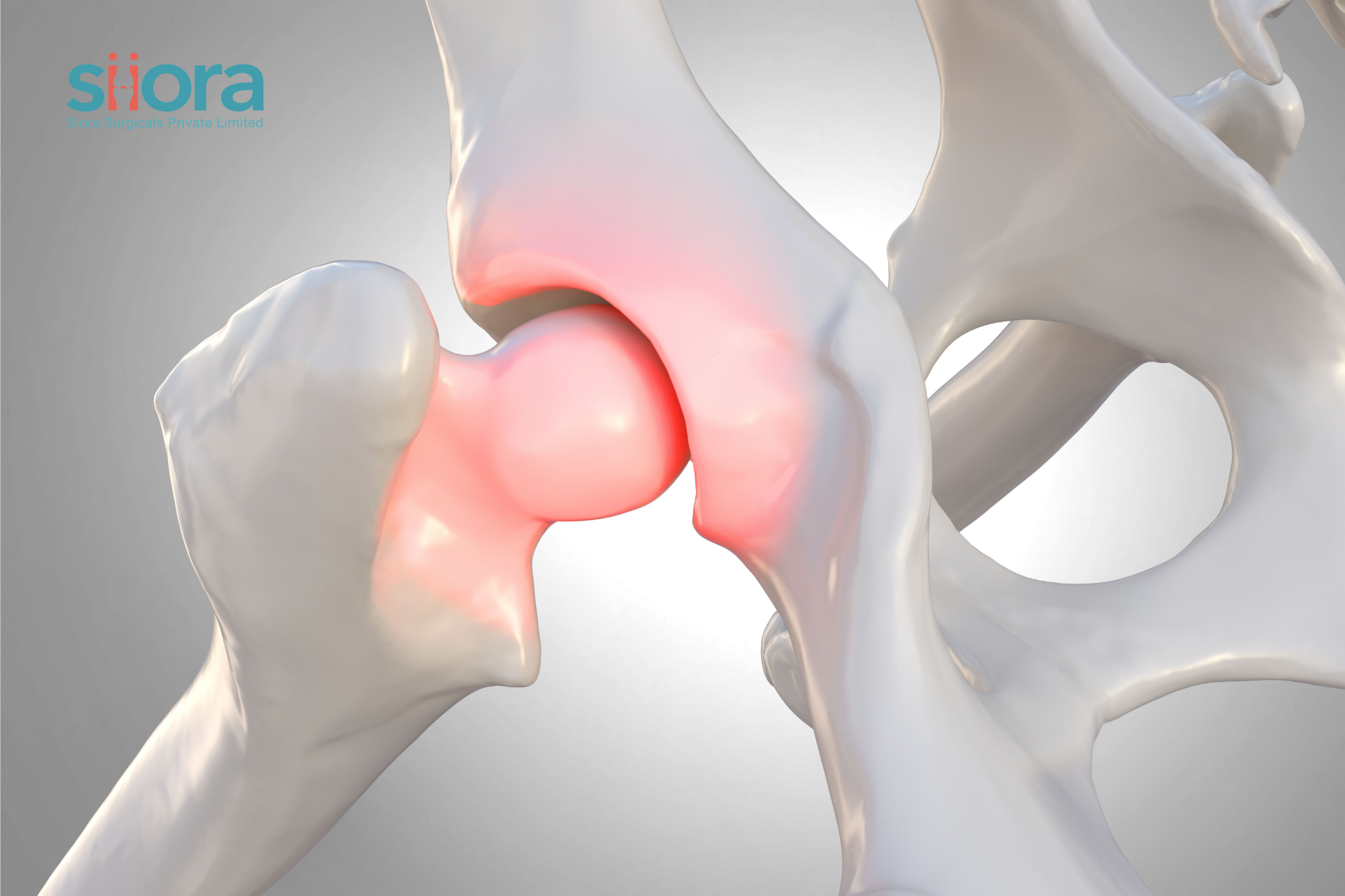
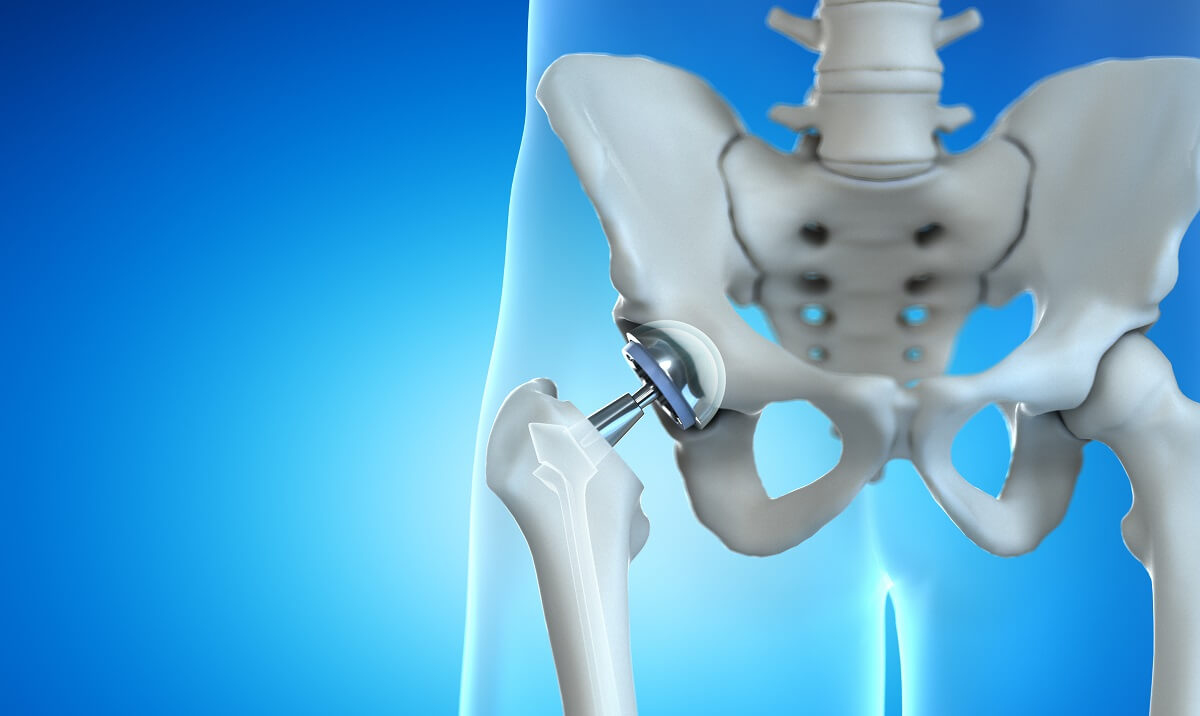
A hip fracture is a break in the upper quarter of the thigh or femur bone. The extent of the break depends on the involved forces. The type of surgery used to treat a hip fracture is mainly based on the soft tissues affected and bones or on the level of the fracture. The surgeons use Orthopedic implants combined with Orthopedic tools for surgical treatment.
Method for Recovery from Hip Fractures
The best method for recovery from hip fractures is to get moving as-soon-as possible under the advice of the surgeon. Immobility can be the cause of possible significant complications. For some of the reasons such as preventing pneumonia, bed sores, blood clot, etc., it is critical to get patients up and moving as soon as possible after surgery. There are several ways to help accomplish this goal.
Most importantly, the surgery should be done soon after the injury using the right trauma Instruments and implants. There is controversy about how early the surgery should be performed, but ideally within 48 hours of the injury, and possibly sooner. Several hospitals are getting better equipped at getting persons with broken hips to an operating room on either the day of or the day after their injury.
There are circumstances when surgery must be delayed. Those situations may be when there are other major medical issues that need to be addressed before a surgical procedure. Another common situation is when a person on blood thinning medication suffers a hip injury. The effects of blood thinning may need to be reversed prior to performing surgery.
The second step is to quickly get up and moving after the hip surgery. In the hours and days after surgery, the therapists and the nursing staff will be working to assist the patient to get up and start a movement. Even changing position and sitting up in a chair can help to prevent some of the complications that can occur in persons with broken hips.
Chances of Recovery
Unfortunately, full recovery after a broken hip occurs in only around half of all people. The other half will have a decline in the function in comparison to their pre-injury activity level. Sadly, almost one-quarter of people who break a hip do not live for a full year after their injury. While this group tends to represent the frailest people who break a hip, it is a startlingly great number.
https://www.siiora.com/blogs/optimal-recovery-from-hip-fractures/


I’m an actor, creator and athlete.
I’m super passionate about health, fitness and food.
I love living an optimal lifestyle so that I can feel, look and perform at my very best.
I fully recovered from a two year long health crash journey, and now I’m here to share my recovery story with you.
I really hope that by sharing my journey and experience with you, I can help inspire you to regain your own optimal state of health, fitness and wellbeing, so that you too can optimally thrive in your life once again!