


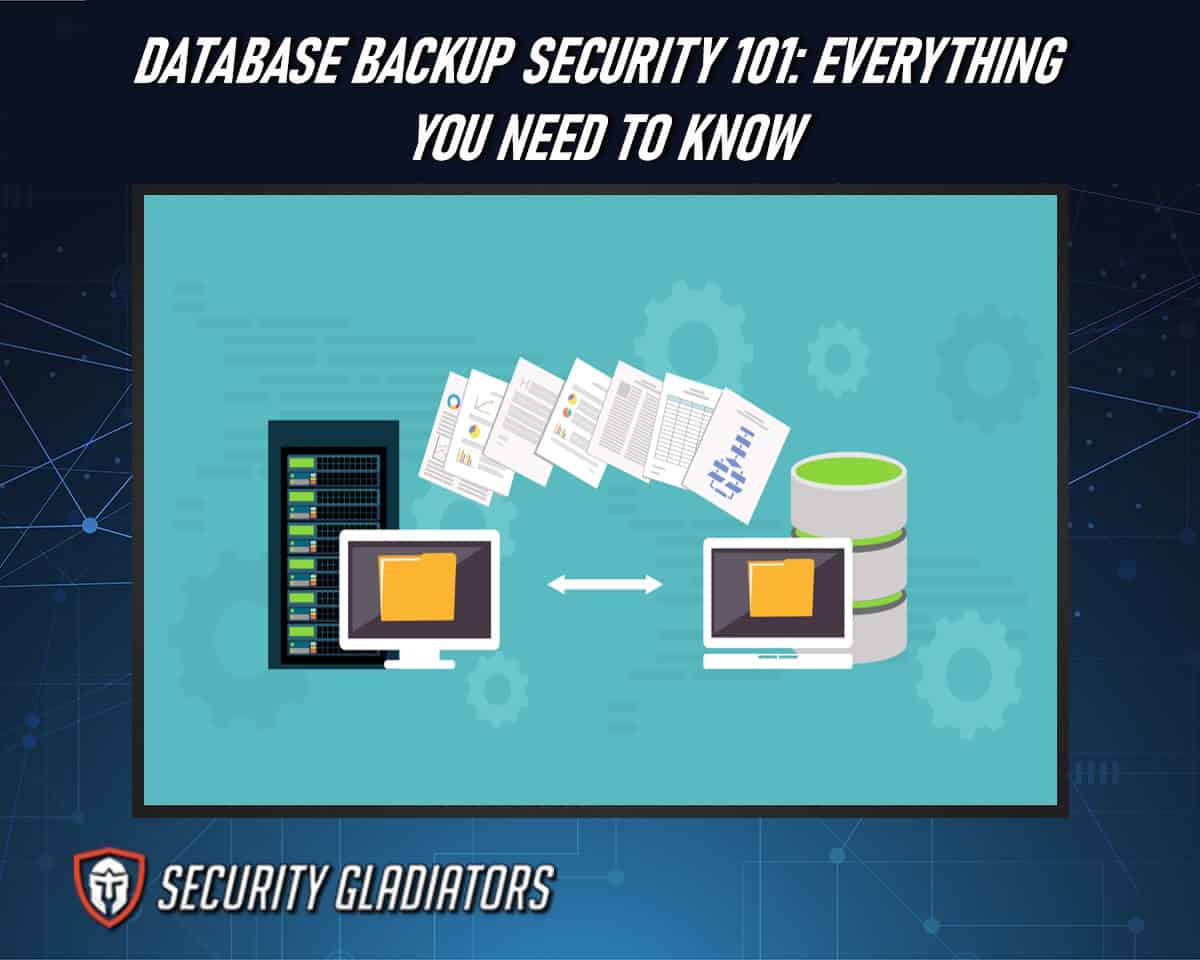
In today's digital age, data is the lifeblood of any organization. From financial records and customer information to intellectual property, databases hold a treasure trove of valuable data. However, the importance of safeguarding this data cannot be overstated. While many organizations focus on securing their live databases, they often overlook the critical aspect of database backup security. In this article, we will explore the fundamentals of database backup security and discuss best practices to ensure the protection of your valuable data.
- Understanding Database Backup Security:
Database backups serve as a safety net in the event of data loss, corruption, or system failures. These backups provide a restore point to recover data to a previous state. However, if not adequately secured, backups can become a potential vulnerability, exposing sensitive information to unauthorized access or misuse.
- Implementing a Secure Backup Strategy:
a. Secure Storage: Choose a secure and reliable storage solution for your backups. Consider utilizing encrypted drives or cloud storage platforms that offer robust security features, such as strong access controls, encryption at rest, and data redundancy.
b. Encryption: Encrypting your backups adds an extra layer of security. Implement strong encryption algorithms to protect the data stored within the backup files. Ensure that encryption keys are securely managed and stored separately from the backups.
c. Access Controls: Restrict access to backup files to only authorized personnel. Implement role-based access controls (RBAC) to ensure that only individuals with appropriate privileges can access and modify backup data.
d. Regular Auditing: Perform regular audits to monitor and track backup activities. This helps detect any unauthorized access attempts or suspicious activities and enables timely response and investigation.
e. Offsite Storage: Storing backups offsite ensures protection against physical disasters such as fires, floods, or theft. Consider utilizing secure offsite data centers or cloud-based backup solutions that offer geographically redundant storage.
- Testing and Monitoring:
a. Backup Integrity: Regularly test the integrity of your backup files to ensure they are not corrupted or incomplete. Conduct periodic restoration tests to verify the ability to recover data from backups successfully.
b. Monitoring and Alerts: Implement monitoring systems to track backup processes and identify any anomalies. Set up alerts to notify administrators of backup failures, unauthorized access attempts, or unusual backup activity.
c. Retention Policies: Define retention policies for backups to ensure compliance with regulatory requirements and business needs. Regularly review and update these policies to align with evolving data protection standards.
- Disaster Recovery Planning:
Database backup security is closely tied to an organization's disaster recovery plan. Include backup procedures and security measures as an integral part of your disaster recovery strategy. Regularly update and test your recovery plan to ensure its effectiveness in real-world scenarios.
- Staff Training and Awareness:
Educate your staff on the importance of database backup security and the best practices to follow. Provide training sessions to raise awareness about potential risks and security measures. Foster a culture of security consciousness within your organization to make backup security a shared responsibility.
Conclusion:
Database backup security is a crucial aspect of safeguarding your organization's data. By implementing a secure backup strategy, testing and monitoring your backups, and integrating backup security into your disaster recovery plan, you can significantly reduce the risk of data loss and unauthorized access. Remember, securing your backups is not a one-time task but an ongoing process that requires vigilance and proactive measures to stay ahead of potential threats. Invest in database backup security today to protect your organization's most valuable asset—its data.





You can easily recover bkf data by using NTbackup.exe without any hassle.
But there are some limitation which is that, This utility is good of minor corruption but in major corrution it get fail and causes loss of data.
So to secure your bkf data you should use any third party software which can easily recover and repair all deleted or corrupted bkf data without any hassle.
There are many software available on the internet then how to pick up one complete bkf recovery solution.
So in that case i would like to recommend you this advanced and effective BKF data recovery software which can easily recover and repair your all deleted or corrupted bkf data without any hassle.
It has wide range multitude of features make it flexible and easy to use.This software provides you three types of scanning options such as QUICK Mode which is mostly used for less corrupt BKF files, DEEP Mode which is used for highly corrupt BKF files and RANGE BASED Mode which helps to select a particular range of the BKF file and recover only that specific range.All users both technical or non technical can easily use this software without any technical skill.