


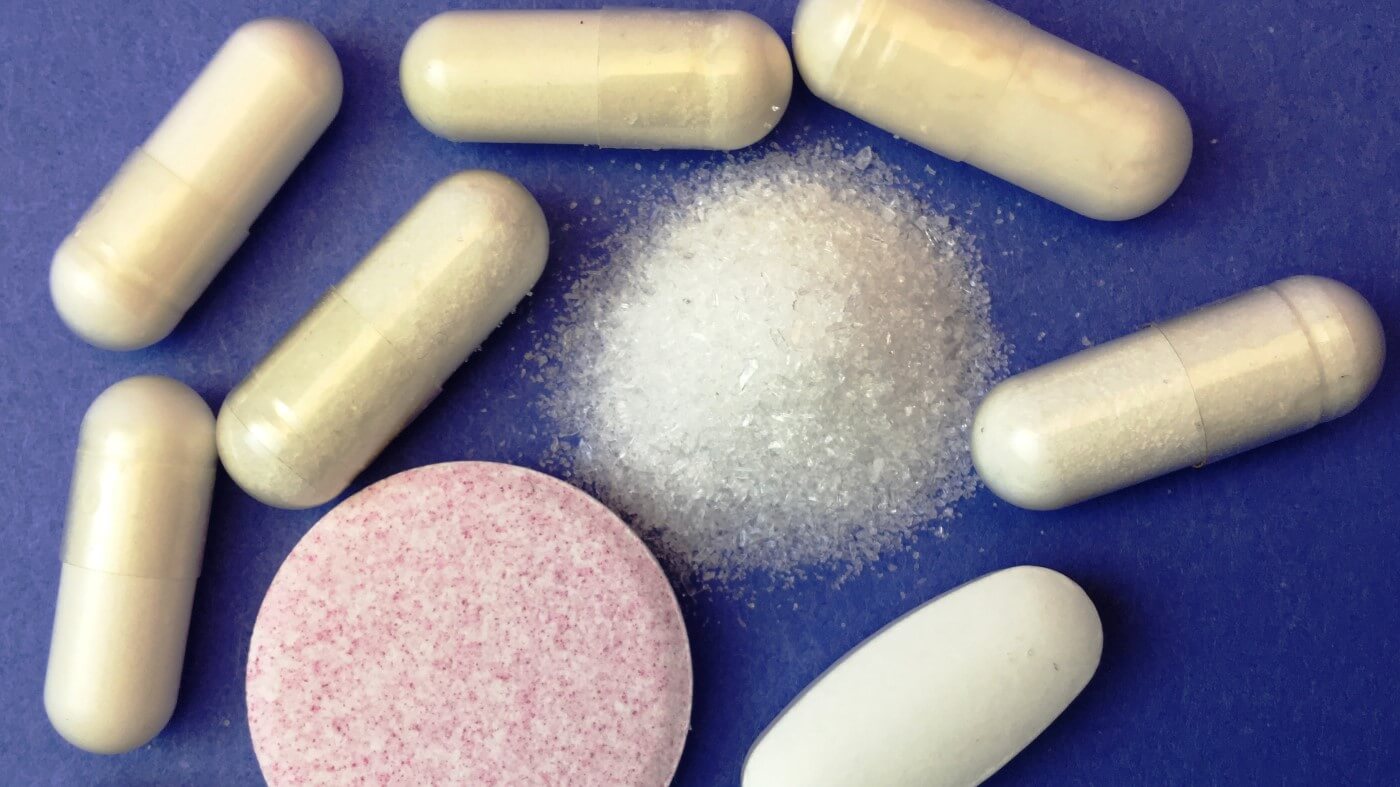
Aspirin is also used to prevent blood clots in people who have had heart attacks or strokes. It works by preventing the formation of blood clots, which can lead to further heart attacks or strokes. Aspirin is available in different strengths, and it should be used under the guidance of a healthcare provider to ensure it is being used safely and effectively.
Acetyls has also been found to have potential cancer-preventive effects. Studies have shown that regular aspirin use can reduce the risk of developing certain types of cancer, such as colon, breast, and prostate cancer. However, aspirin should not be used solely for cancer prevention, and a healthcare provider should be consulted before beginning regular aspirin use.Acetyls, a fascinating group of chemical compounds, have been gaining considerable attention in recent years due to their wide range of applications and their remarkable impact on various industries. From pharmaceuticals to textiles, acetyl play a crucial role in numerous processes, making them an essential component in modern technological advancements. This article aims to explore the wonders of acetyl, delving into their chemistry marvels and showcasing their diverse industrial applications.In addition to textiles, acetyls have found applications in the realm of food and flavoring. Acetates, such as ethyl acetate and butyl acetate, are widely used as solvents in the food industry. They play a crucial role in flavor extraction, helping to capture and enhance the natural aromas and tastes of various foods and beverages. Furthermore, acetyl compounds are used in the production of artificial flavors, adding depth and complexity to culinary creations. The industrial applications of acetyl extend far beyond their contributions to specific sectors. Acetylation, a chemical process that involves the introduction of an acetyl group to a compound, has been widely utilized to enhance the properties of various materials. By acetylating substances such as wood, cellulose, and polymers, their performance can be improved in terms of strength, stability, and resistance to degradation. This process has revolutionized the production of materials, leading to advancements in construction, packaging, and manufacturing industries.
Read More:






Acetyls market research is the comprehensive depiction of the precise overview on the industry, market competition, projections for the business, insight into target market and guidelines to follow for making business gainful.
Moreover, Acetyls market analysis also concentrates on providing relevant industry metrics such as life cycle, size, trends and projected growth.
Get Sample Copy of Acetyls Market Report at: https://www.globalmarketmonitor.com/request.php?type=1=660320 It reflects on the changes that new and established companies must make in order to grow and adapt to consumer developments in the future.
Ask for a Report Sample at: https://www.globalmarketmonitor.com/request.php?type=3=660320 Exhaustive geographical analysis is performed on the Acetyls market report along with covering few major regions such as Europe, China, North America, Japan, India, and South America.
With the help of this comprehensive market analysis, key players can easily make a prominent place in the market.
It also captures the global impacts of the Corona Virus on different segments and countries.