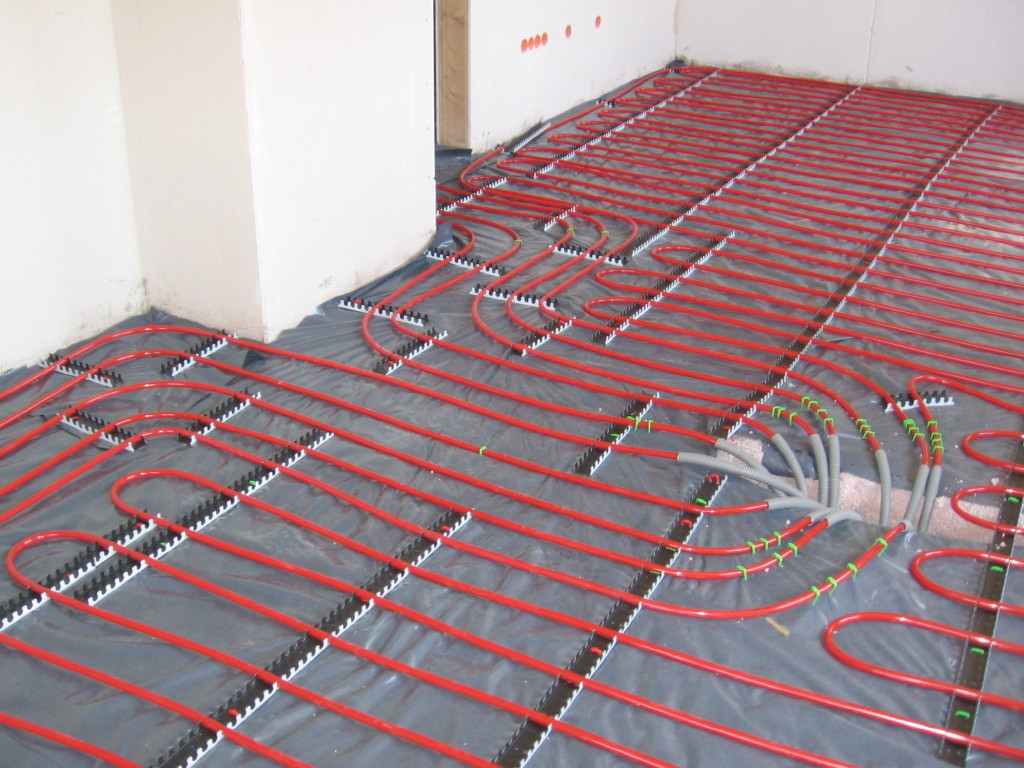



As the temperatures drop, keeping our homes warm and cozy becomes a top priority. One effective way to achieve a comfortable indoor environment is by installing an underfloor heating system. Underfloor heating offers numerous benefits, such as consistent warmth, energy efficiency, and improved aesthetics. However, before diving into the installation process, there are several crucial aspects to consider.
Advantages of installing an underfloor heating system
1. Enhanced Comfort: One of the most significant benefits of underfloor heating is the unparalleled comfort it provides. Unlike radiators or forced-air systems, underfloor heating warms your entire living space from the ground up. This creates a consistent and even distribution of heat, eliminating cold spots and draughts. Walking on a warm floor is a delight, especially during chilly winter mornings.
2. Energy Efficiency: Underfloor heating is highly energy-efficient, leading to potential savings on your heating bills. These systems operate at lower temperatures compared to radiators, yet provide the same level of warmth. The large surface area of the floor radiates heat evenly, requiring less energy to maintain a comfortable temperature. Additionally, some underfloor heating systems offer individual room zoning, allowing you to heat specific areas only when needed.
3. Space Saving: Unlike bulky radiators or heating units, underfloor heating systems are hidden beneath the floor, freeing up valuable wall space. This opens up more design possibilities, allowing you to arrange furniture and decor without limitations. With underfloor heating, you can enjoy a clutter-free living environment while still enjoying efficient heating.
4. Improved Aesthetics: If you appreciate a clean and minimalist aesthetic, underfloor heating is the perfect choice. With no visible radiators or vents, your walls remain unobstructed, enhancing the overall look of your interior space. Underfloor heating allows for greater flexibility when choosing flooring options, as it is compatible with a wide range of materials such as tile, stone, laminate, and even carpet.
5. Silent Operation: Underfloor heating systems operate silently, without the noise associated with traditional heating systems. Say goodbye to the sound of radiators clanging or fans blowing. With underfloor heating, you can enjoy a peaceful and quiet living environment, undisturbed by the noise of your heating system.
6. Health and Allergy Benefits: Traditional heating systems, such as forced-air systems, can circulate dust, allergens, and dry air throughout your home. Underfloor heating does not rely on air movement, minimizing the dispersal of dust and allergens. It also helps maintain a balanced humidity level, which can be beneficial for individuals with respiratory conditions or allergies.
7. Easy Installation and Maintenance: Installing an underfloor heating system is a straightforward process, particularly during new construction or renovation projects. Professional installers can seamlessly integrate the system into your flooring without major disruptions. Once installed, underfloor heating systems require minimal maintenance, with no need for annual servicing or the replacement of filters and vents.
8. Long-Term Investment: Investing in an underfloor heating system is a long-term investment that adds value to your home. The energy efficiency, comfort, and aesthetic appeal it provides can be attractive selling points should you decide to sell your property in the future. Additionally, underfloor heating systems have a long lifespan and are built to last, ensuring you enjoy the benefits for years to come.
Important Things You Should Know When Installing an Underfloor Heating System
1. Types of Underfloor Heating Systems
Underfloor heating systems typically fall into two categories: electric and water-based. Electric systems use heating cables or mats installed beneath the floor, while water-based systems employ a network of pipes carrying heated water. Understanding the differences between these systems will help you choose the one that suits your needs and budget.
2. Compatibility with Flooring
It's important to ensure that your chosen underfloor heating system is compatible with the type of flooring you have or plan to install. Some flooring materials, such as stone, tile, and laminate, are well-suited for underfloor heating, while others, like solid wood, may require additional considerations. Consult with professionals to determine the best flooring options for your system.
3. Insulation
Proper insulation is crucial for maximizing the efficiency of your underfloor heating system. Insulation materials placed beneath the heating elements prevent heat loss, directing warmth upward into the room rather than downward. Adequate insulation helps reduce energy consumption and ensures a faster warm-up time.
4. Professional Installation
While some homeowners may consider a DIY approach, it is highly recommended to hire professionals for underfloor heating installation. Professionals have the necessary expertise and knowledge to ensure a safe and efficient installation process. They can also guide you on system selection, layout planning, and thermostat placement.
5. Zoning and Controls
Underfloor heating systems allow for zoning, meaning you can control different areas or rooms independently. This feature provides greater flexibility and energy efficiency by allowing you to heat only the areas you need. Ensure that your system offers zoning capabilities and consider integrating it with programmable thermostats for personalized control.
6. Heating Output and Heat Loss Calculations
Determining the heating output required for your space is essential to ensure optimal comfort. Heat loss calculations take into account various factors, such as room size, insulation, heat sources, and temperature requirements. By consulting with professionals, you can accurately assess the heating needs of your home and select an appropriate underfloor heating system.
7. Maintenance and Repairs
Like any heating system, underfloor heating requires regular maintenance to ensure its longevity and efficient operation. Although underfloor heating systems generally require minimal maintenance, it is crucial to follow manufacturer guidelines and schedule professional inspections to identify and address any potential issues.
8. Timing and Budget Considerations
Finally, it is important to plan the installation of your underfloor heating system in advance. Consider factors such as the project timeline, budget allocation, and the best time to install the system, preferably during a renovation or construction phase. Adequate planning will help streamline the installation process and minimize disruption to your daily routine.
Conclusion:
Installing an underfloor heating system can greatly enhance the comfort and energy efficiency of your home. By considering the type of system, flooring compatibility, insulation, professional installation, zoning capabilities, heating output, maintenance needs, and proper planning, you can ensure a successful installation process.
Similarly, if you are looking to install bathroom mirror in Ireland, or wherever you stay, it is important that you know properly what its benefits are, and what specifics aspects you have to follow.