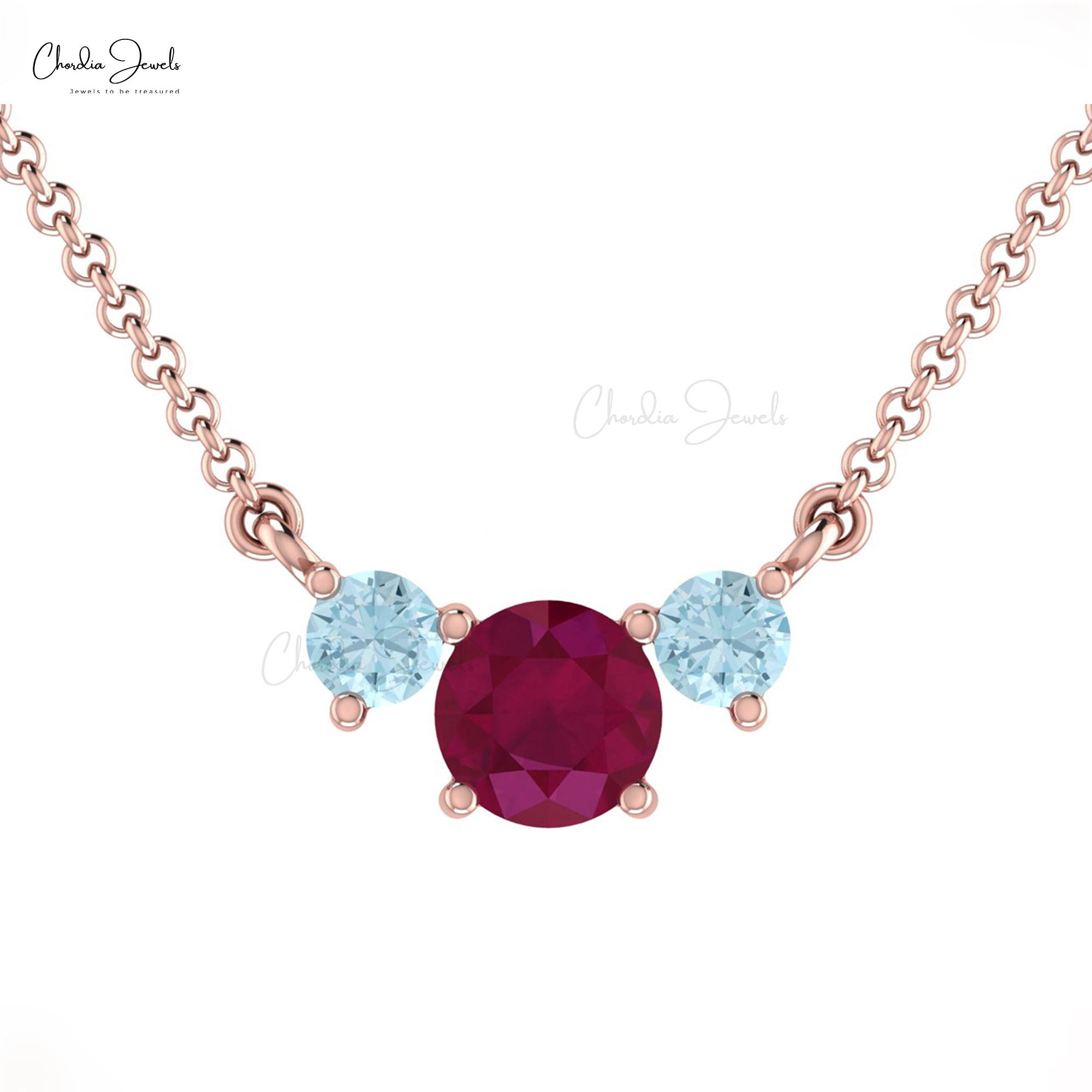



Aquamarine, with its captivating blue hue reminiscent of the clear waters of the sea, is a gemstone that has long captured the hearts of jewelry enthusiasts. Its stunning color and unique properties make it a sought-after gemstone in the market. However, like any precious stone, aquamarine comes with a price tag. In this article, we will delve into the factors that influence the price of aquamarine stones and gain a better understanding of their value.
Aquamarine stones are a type of beryl, a mineral family that also includes emerald. The quality and value of an aquamarine stone are determined by several factors, including color, clarity, cut, carat weight, and origin.
Color is one of the most crucial factors when evaluating an aquamarine stone. The most desirable shade of aquamarine is a pure, medium to light blue with a hint of green. This delicate blue color is often referred to as "Santa Maria blue," named after the famous Santa Maria de Itabira mine in Brazil. The more intense and vivid the blue color, the higher the price of the stone.
Clarity refers to the presence of inclusions or internal flaws within the stone. Ideally, aquamarine stones should be transparent and free from visible inclusions. However, it is not uncommon for aquamarine to have some minor inclusions, which can be tolerated as long as they do not significantly affect the stone's overall beauty.
The cut of an aquamarine stone also plays a crucial role in determining its value. A well-cut stone will maximize its brilliance and color, making it more visually appealing. The most popular cuts for aquamarine include oval, round, emerald, and pear shapes. The skill of the lapidary and the precision of the cut can greatly affect the price of the stone.
Carat weight is a significant factor when it comes to pricing aquamarine stones. Like other gemstones, aquamarine is priced per carat, with larger stones generally commanding a higher price. However, it's important to note that the overall quality of the stone, including its color, clarity, and cut, is equally important in determining its value.
Origin can also influence the price of aquamarine stones. Brazil is the leading producer of high-quality aquamarine, and stones originating from Santa Maria de Itabira are highly regarded for their exceptional color and clarity. Other notable sources of aquamarine include Madagascar, Nigeria, Mozambique, and Pakistan. Stones from these renowned locations may fetch a higher price due to their origin's reputation for producing top-quality gemstones.
When it comes to purchasing aquamarine stones, it is essential to ensure that you are acquiring a natural gem. Synthetic or lab-created aquamarine stones are available at a lower price point, but they lack the rarity and value of natural stones. Natural aquamarine stones are formed over millions of years in the earth's crust, making them unique and precious.
As for the price range, aquamarine stones can vary significantly depending on the factors mentioned above. Generally, aquamarine stones can range from a few dollars per carat for commercial-grade stones to several hundred dollars per carat for top-quality stones. Large, high-quality aquamarine stones with exceptional color and clarity can command even higher prices.
In conclusion, aquamarine stones possess a unique allure with their mesmerizing blue color. The price of aquamarine stones is influenced by various factors such as color, clarity, cut, carat weight, and origin. Investing in a natural aquamarine stone of excellent quality can be a worthwhile choice for both jewelry enthusiasts and gemstone collectors, as they not only exude beauty but also hold significant value.


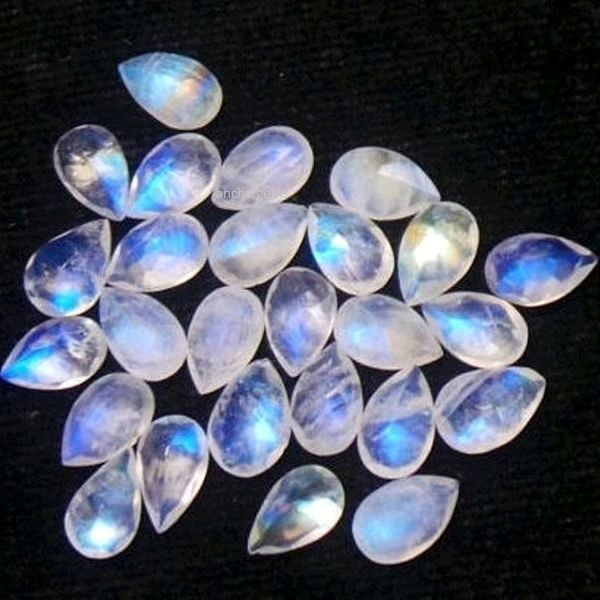
Aquamarine Beruj Stone and Natural aquamarine stone online india available now at Anchal Gems.
book your Aquamarine march birthstone now in best deal
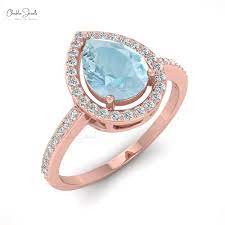
Natural Aquamarine Stone has a narrow range of colors that looks more or less similar.
It is believed to have a pure and intense blue color.
The other hues of aquamarine are blue, greenish blue and dark blue.
The greenish tint in the blue is because of the presence of iron impurities in it.
Aquamarine Stone is a semi-precious gemstone that derived its name from the seawater because of its blue-green colour.