

Introduction
In today's ever-changing world, consumers are becoming more conscious about the food they eat and the origin of their meals. It has become crucial for food businesses to keep proper track of their supply chain, from farms to the end consumer. The best way to implement this is through food traceability software. In this article, we will discuss the essential features of food traceability software and factors to consider when choosing one.
The Importance of Food Traceability
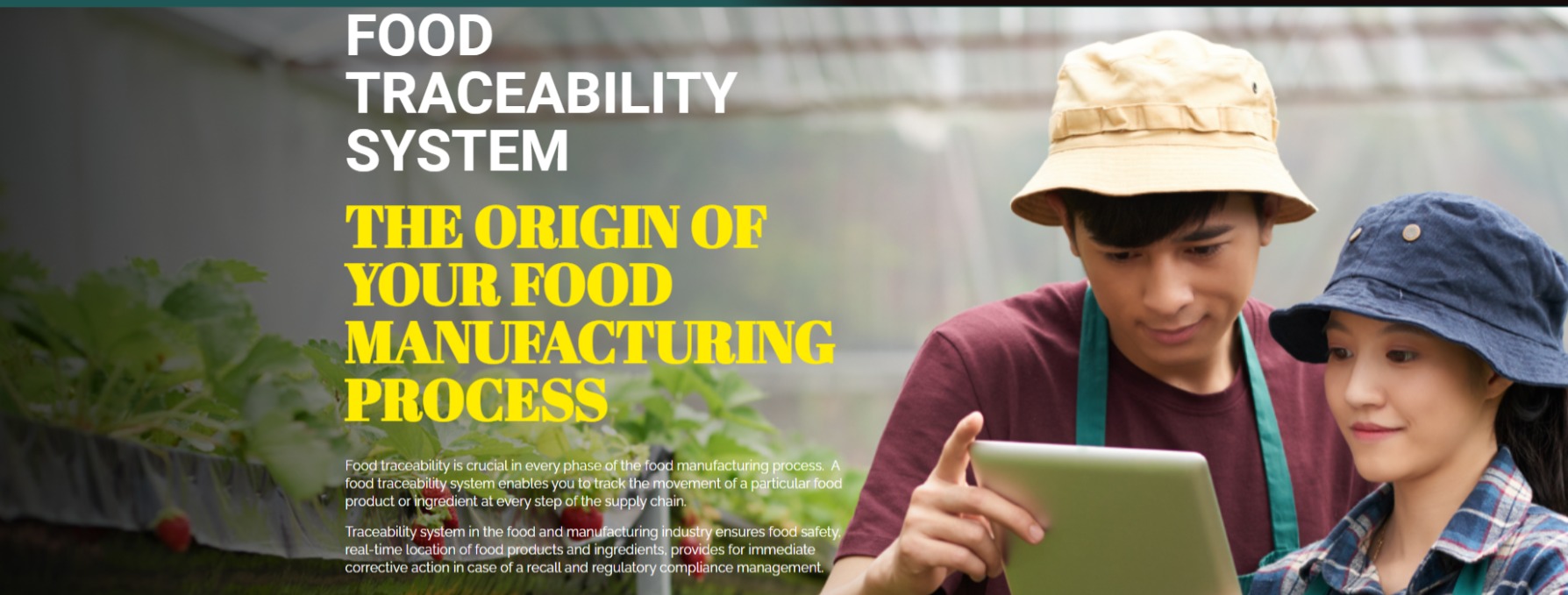
Food traceability is the process of tracking food products from the point of origin to the end consumer. It involves identifying and documenting the movement of raw materials, processing, packaging, and distribution of finished products. The process can be time-consuming, but it is critical in the food industry to ensure the safety and quality of food.
Essential Features of Food Traceability Software
When searching for the best food traceability software, you want to ensure it has the following essential features:
Product Tracking and Identification
The software should be able to track the movement of all food products throughout the supply chain. Through this, you can identify the origin of a product and track its movement from one stage to the next. Additionally, you want to ensure that the software can identify products through barcodes or QR codes and generate unique identifiers.
Batch/Lot Tracking
Tracking each stage of production for a product is critical in the food industry. The software should allow for the tracking of batches or lots throughout the supply chain, enabling the identification of the source of contamination or quality issues.

Inventory Management
The software should allow for the management of inventory levels, tracking the availability of raw materials and finished products. This allows for efficient production and distribution of food products. You also want the software to provide real-time updates on inventory levels and supply chain performance.
Real-Time Data Collection
Real-time data collection is essential to ensure that information is updated frequently and any issues are identified quickly. The best software should have a comprehensive system of data collection tools, including sensors and trackers.
Compliance with Regulations
A compliant food traceability software must meet regulations such as the FSMA and HACCP. These regulations require food businesses to keep detailed records of their supply chain, including the source of raw materials and the identification of suppliers. The software should enable compliance with these regulations and provide a system for data collection, storage, and retrieval.
Open-Source Functionality
Open-source software enables users to customize and modify code to fit their specific needs and provides top-notch cybersecurity. Open-source software can also be free of charge, minimizing the costs of implementing a traceability system.
Factors to Consider when Choosing a Food Traceability Software
When choosing food traceability software, you want to ensure that the software can meet your specific requirements. Here are some key factors to consider:
The Size of Your Business
The size of your business will determine the complexity of the software needed. For instance, larger businesses require a software solution that can track a higher volume of products, while smaller businesses require software that is more affordable and has a simpler interface.
Scalability
As your business grows and expands, so will its requirements. The software you choose should have the capacity to cater to your future needs. It should allow for consistent updates as new technologies emerge in the industry.
User-Friendliness
The software should have an easy-to-use interface to ensure that your staff can use it effectively. If the system is too complicated to navigate, it can hinder performance and lower productivity. You want a solution that is user-friendly and intuitive.
Integration with Existing Systems
The software should be able to integrate seamlessly with your existing systems to avoid redundancies and difficulties in data processing. It should also be able to utilize data from various sources to provide you with more comprehensive supply chain visibility.
Customer Support
You want to ensure that you can get support when you require it. The software you choose should come with reliable tech support to help you troubleshoot any issues you may encounter. Responsive customer support is vital in maintaining operations.
Conclusion
Food traceability software is critical in ensuring the safety and quality of food products. When choosing a food traceability system, you should consider the features, compliance with regulations, user-friendliness, scalability, and integration. With reliable software, you can maximize your supply chain's efficiency while ensuring food safety for your consumers.