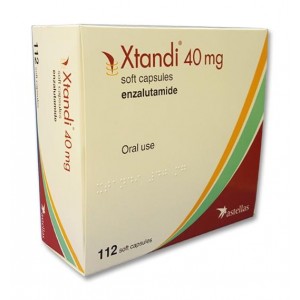
Enzalutamide is a medication that is used to treat prostate cancer. It works by blocking the action of male hormones in the prostate, which can slow or stop the growth of cancer cells. However, like all drugs, enzalutamide is not 100% pure and may contain impurities. These impurities can be harmful to patients and need to be monitored closely. In this blog, we will discuss the risks associated with enzalutamide impurities, the regulations that govern their use, and the quality control measures that are in place to ensure their safety.
What are impurities?
Impurities are any substances that are present in a drug product that is not the intended active pharmaceutical ingredient (API). They can arise from a variety of sources, including the manufacturing process, raw materials, or even the packaging and storage of the drug. Some impurities may be harmless, while others can be toxic or carcinogenic.
What are the risks associated with enzalutamide impurities?
The risks associated with enzalutamide impurities depend on the nature and amount of the impurity. Some impurities may be harmless and do not affect the safety or efficacy of the drug. However, other impurities can be harmful and may cause adverse reactions in patients. For example, one impurity that has been found in enzalutamide is N-methyl-2-pyrrolidone (NMP), which is a solvent that can cause skin irritation, eye damage, and liver and kidney damage.
Regulations governing enzalutamide impurities
Regulatory agencies, such as the US Food and Drug Administration (FDA) and the European Medicines Agency (EMA), have established limits on the number of impurities that can be present in drug products. These limits are based on the toxicological profile of the impurity and the potential risk to patients. For enzalutamide, the FDA has set a limit of 0.15% for the impurity NMP.
Quality control measures for enzalutamide impurities
To ensure the safety and quality of enzalutamide, manufacturers must implement rigorous quality control measures. These measures include testing the raw materials and finished product for impurities, as well as monitoring the manufacturing process to minimize impurity formation. Manufacturers must also adhere to Good Manufacturing Practices (GMPs), which are a set of guidelines that ensure the quality and consistency of drug products.
In conclusion, understanding enzalutamide impurities is crucial for ensuring the safety and efficacy of this drug. The presence of impurities in enzalutamide can pose significant risks to patients, and therefore, regulatory bodies have established strict guidelines and quality control measures to limit the levels of impurities in the drug. Manufacturers must adhere to these regulations and implement rigorous quality control measures to ensure that the drug is of high quality and free from harmful impurities. It is also essential for healthcare professionals to stay informed about the potential risks associated with enzalutamide impurities and to closely monitor patients receiving this drug. Overall, a comprehensive understanding of enzalutamide impurities is necessary to promote patient safety and quality of care.