



Parallel slide valves are widely used in various industrial applications to control the flow of fluids, particularly in high-pressure and high-temperature environments. These valves offer distinct advantages over other valve designs, making them a preferred choice for critical operations. This article will delve into the advantages and mechanisms of parallel slide valves, shedding light on their functionality and significance in different industries.
Advantages of Parallel Slide Valves
- Sealing Capability: One of the primary advantages of parallel slide valves is their superior sealing capability. The parallel sliding action of the valve disc against the seat provides a tight and reliable seal, minimizing leakage and ensuring optimal fluid control. This sealing mechanism is particularly effective in high-pressure applications, where maintaining tight shut-off is crucial.
- High Flow Capacity: Parallel slide valves are known for their excellent flow capacity. The streamlined flow path, combined with the parallel sliding motion of the disc, allows for smooth fluid passage with minimal pressure drop. This feature makes parallel slide valves ideal for applications that require high flow rates while maintaining precise control over the fluid flow.
- Temperature and Pressure Resilience: Another key advantage of parallel slide valves is their ability to withstand extreme temperatures and pressures. These valves are designed to operate reliably in demanding environments, making them suitable for industries such as oil and gas, power generation, and chemical processing. The robust construction and materials used in parallel slide valves ensure their durability and resistance to thermal and mechanical stresses.
- Low Maintenance: Parallel slide valves are known for their simplicity and ease of maintenance. The design minimizes the number of moving parts, reducing the risk of wear and tear. Additionally, the sliding action of the disc helps to self-clean the sealing surfaces, preventing debris buildup and prolonging the valve's lifespan. The low maintenance requirements of parallel slide valves make them a cost-effective choice for long-term operation.
Mechanisms of Parallel Slide Valves
Parallel slide valves operate on a straightforward mechanical principle. They consist of a disc that moves parallel to the valve seat to control the fluid flow. The valve disc is guided by a spindle or stem, allowing for precise positioning and smooth operation. When the valve is fully closed, the disc forms a tight seal against the seat, preventing any fluid leakage. As the valve opens, the disc moves parallel to the seat, creating an annular flow path for the fluid to pass through.
To operate a parallel slide valve, a rotational force is applied to the valve stem, which causes the disc to slide along the seat. The stem is connected to an actuator, such as a handwheel, electric motor, or pneumatic device, which enables the operator to control the valve remotely. By adjusting the position of the disc, the flow rate can be regulated, allowing for precise control of the fluid passing through the valve.
Conclusion
Parallel slide valves offer numerous advantages in sealing capability, flow capacity, temperature and pressure resilience, and low maintenance requirements. Their ability to provide reliable and precise fluid control makes them a popular choice in industries where fluid flow regulation is critical. Understanding the mechanisms and advantages of parallel slide valves is crucial for engineers and operators involved in fluid control systems, as it helps them make informed decisions regarding valve selection and application.

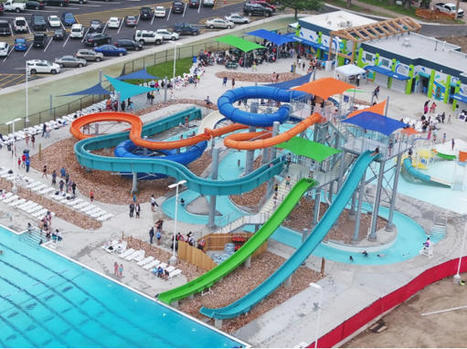
Summertime is a pleasant, reminiscent time that is filled with summer camps, family vacations, ice creams, or simply being outside.
A day spent at the waterpark with friends and family has been a pleasant memory for most.
Here are some of the innovative water park attractions that Splashtacular, a water park manufacturer, has contributed to raising the attractiveness of the water park industry as DrenalineDrop, DownUnder, 360Rush XT, Double BowlsEye and mnay more waterpark attraction are explain here.
To know more click here!!