


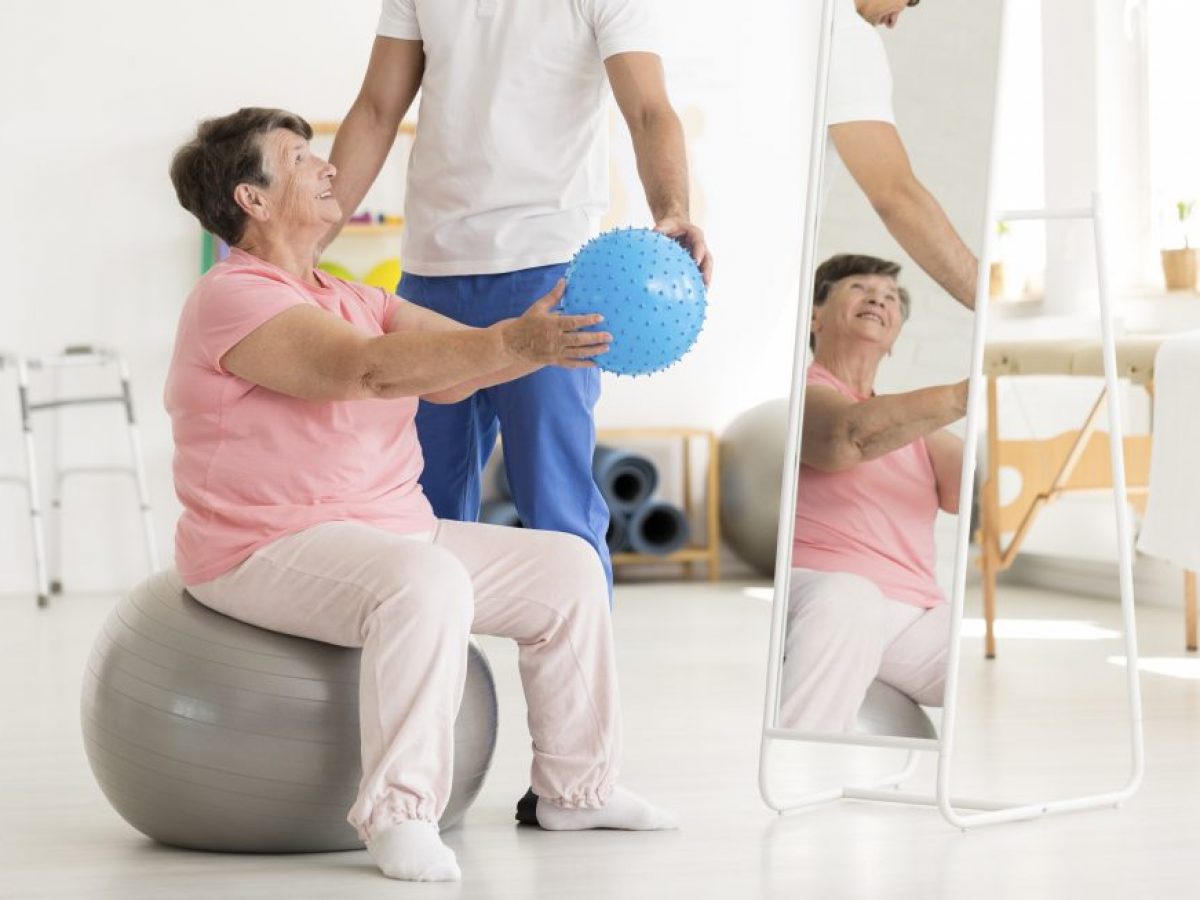
Stroke is a medical condition that occurs when the blood supply to the brain is interrupted, resulting in damage to brain cells. It is a leading cause of long-term disability, affecting millions of people worldwide. One of the key aspects of stroke rehabilitation is physiotherapy, which plays a vital role in restoring mobility and function to individuals who have suffered a stroke. In this article, we will explore the importance of physiotherapy in stroke rehabilitation and how it can help patients regain their independence and improve their quality of life.
Understanding Stroke and Its Effects:
Before delving into the role of physiotherapy in stroke rehabilitation, it is crucial to understand the effects of a stroke on the body. The severity and location of the stroke determine the extent of the physical impairments experienced by the patient. Common physical effects of a stroke include muscle weakness, paralysis, balance and coordination issues, difficulties with walking and performing daily activities, and decreased range of motion.
Physiotherapy for Stroke Rehabilitation:
Physiotherapy is a specialized branch of healthcare that focuses on the assessment, treatment, and management of physical impairments and disabilities. In stroke rehabilitation, physiotherapists play a critical role in helping patients regain strength, improve mobility, and relearn essential functional skills. The primary goal of physiotherapy in stroke rehabilitation is to maximize the patient's independence and enhance their overall quality of life.
Individualized Treatment Plans:
Each stroke patient is unique, and physiotherapy programs are tailored to meet their specific needs. A physiotherapist will assess the patient's impairments, functional abilities, and personal goals to create an individualized treatment plan. The treatment plan may include a combination of exercises, therapeutic activities, and techniques to address the specific challenges faced by the patient. The physiotherapist will also consider any additional health conditions or limitations that may impact the rehabilitation process.
Restoring Mobility and Function:
Physiotherapy interventions aim to restore mobility and function through various techniques and exercises. Strengthening exercises help rebuild weakened muscles and improve overall strength. Range of motion exercises focus on increasing joint flexibility and reducing stiffness. Balance and coordination activities help patients regain stability and prevent falls. Walking retraining programs are crucial in helping stroke survivors regain their ability to walk independently.
In addition to these physical interventions, physiotherapists may also utilize other techniques such as electrical stimulation, hydrotherapy, and assistive devices to facilitate the rehabilitation process. These interventions are tailored to the individual needs of the patient and are adjusted as their condition improves over time.
Benefits of Physiotherapy in Stroke Rehabilitation:
The benefits of physiotherapy in stroke rehabilitation are numerous and far-reaching. Through targeted interventions, physiotherapy helps stroke survivors:
Regain strength and mobility: Physiotherapy exercises and techniques promote muscle strength, improve balance, and increase flexibility, allowing patients to regain mobility and perform daily activities more easily.
Improve coordination and motor skills: Physiotherapists work on retraining movement patterns and enhancing coordination, helping patients regain control over their body movements.
Enhance independence: Physiotherapy focuses on improving functional abilities, such as dressing, bathing, and eating, enabling stroke survivors to regain their independence and reduce their reliance on others for daily tasks.
Prevent complications: Physiotherapists educate patients and caregivers on strategies to prevent common post-stroke complications such as muscle contractures, pressure ulcers, and respiratory issues.
Boost mental well-being: The physical improvements achieved through physiotherapy can have a positive impact on a patient's mental well-being, reducing anxiety and depression commonly associated with stroke recovery.
Conclusion:
Physiotherapy is a fundamental component of stroke rehabilitation, helping individuals regain their mobility, function, and independence after a stroke. The specialized interventions and individualized treatment plans offered by physiotherapists play a crucial role in maximizing the recovery potential of stroke survivors. If you or a loved one has experienced a stroke, seeking the expertise of a skilled physiotherapist is essential for achieving optimal outcomes. At Rapid Healing Medical Services, we understand the challenges faced by stroke survivors and provide comprehensive physiotherapy services to support their recovery journey.
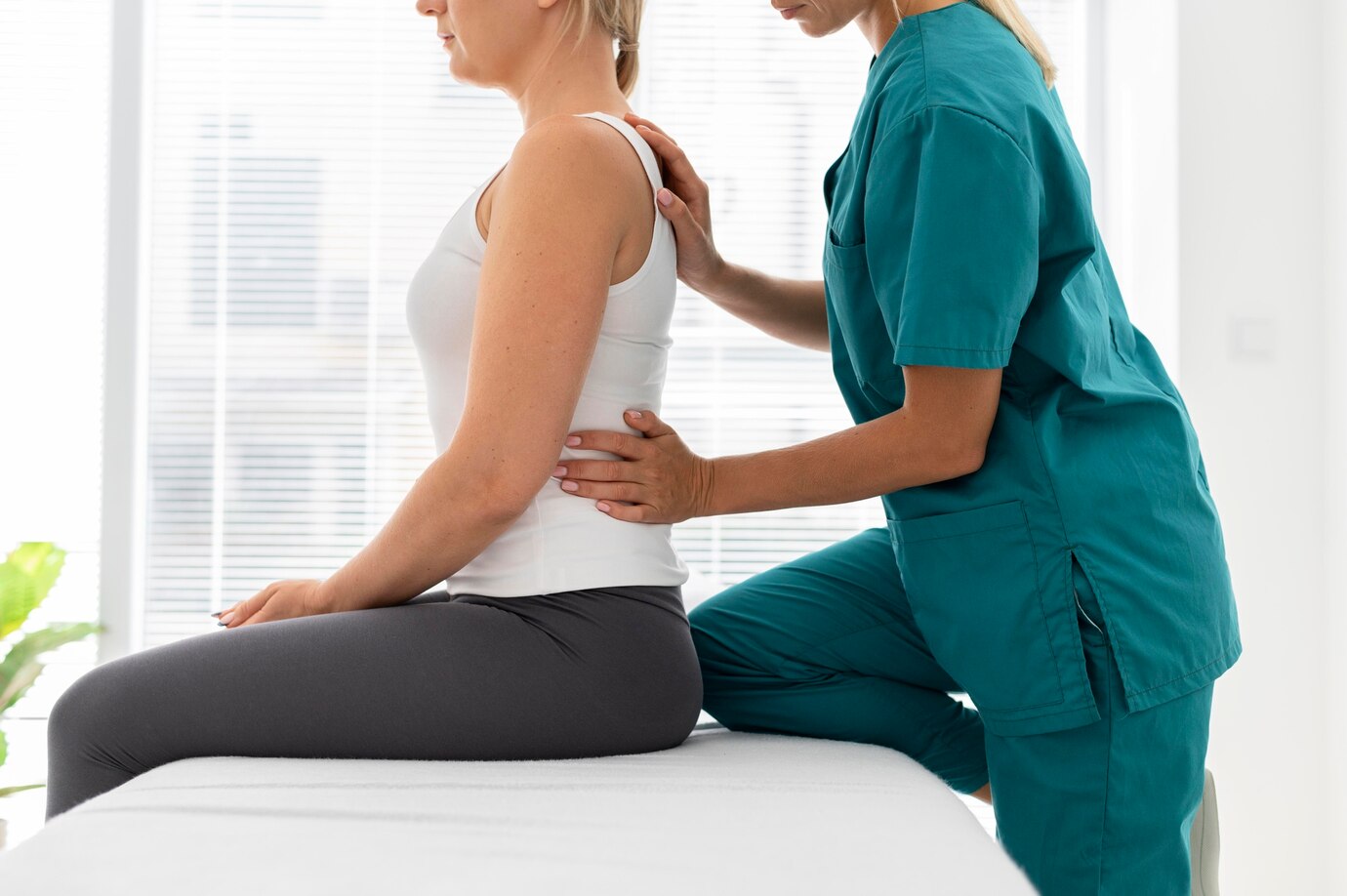
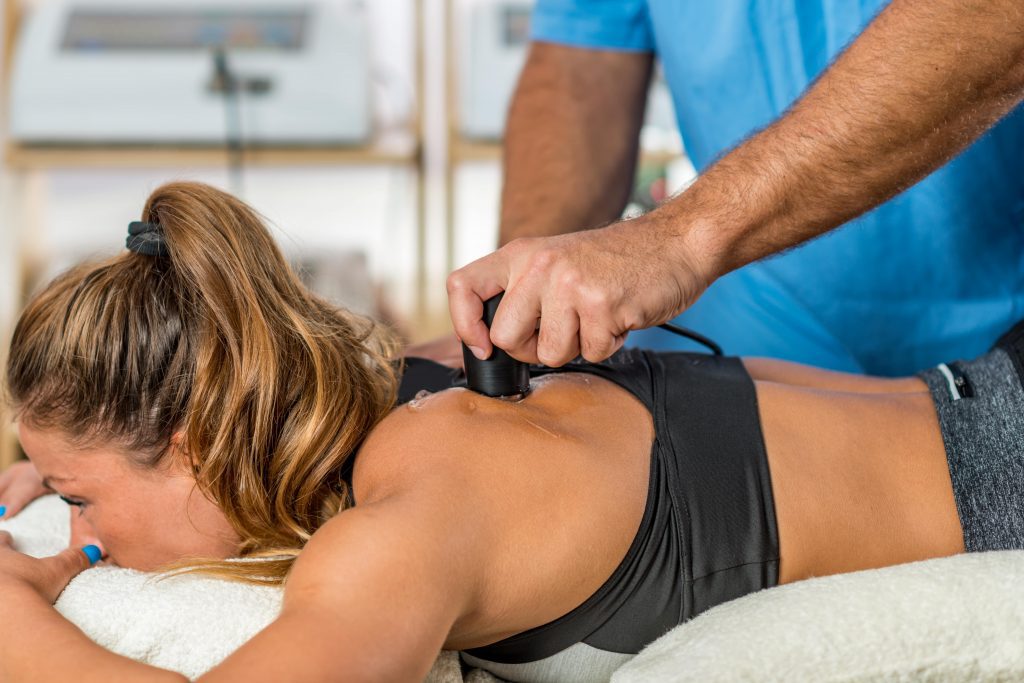
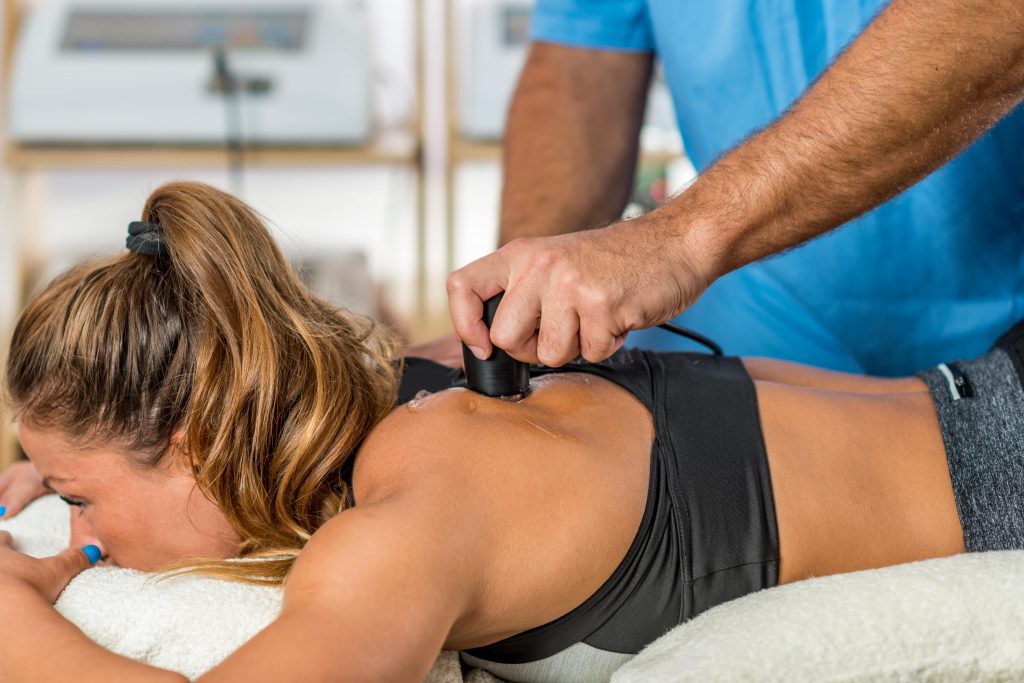


We provide Physiotherapy at home With affordable and accountable services, say good bye to all your worries and hassles of physiotherapy treatment.Read more: http://www.salespider.com/c-43592504/costeffective-physiotherapy-at-home-pain-free-p
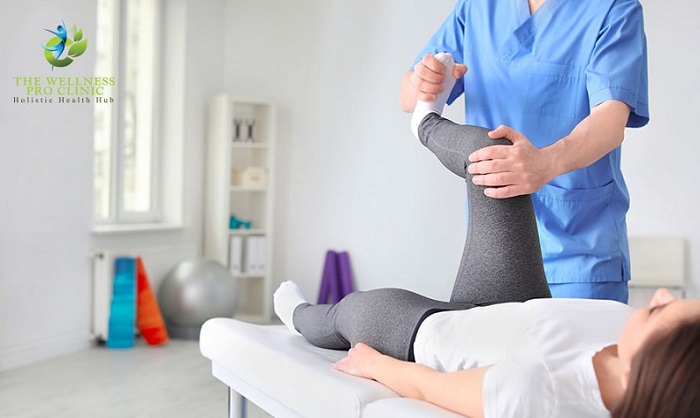
The Wellness Pro Clinic that provider of the best physiotherapy clinic in Gurgaon for all your therapeutic needs whether you are a sportsperson or an elderly person.
We also provide speech therapy, diet-nutrition, acupuncture and homeopathy services along with physiotherapy.