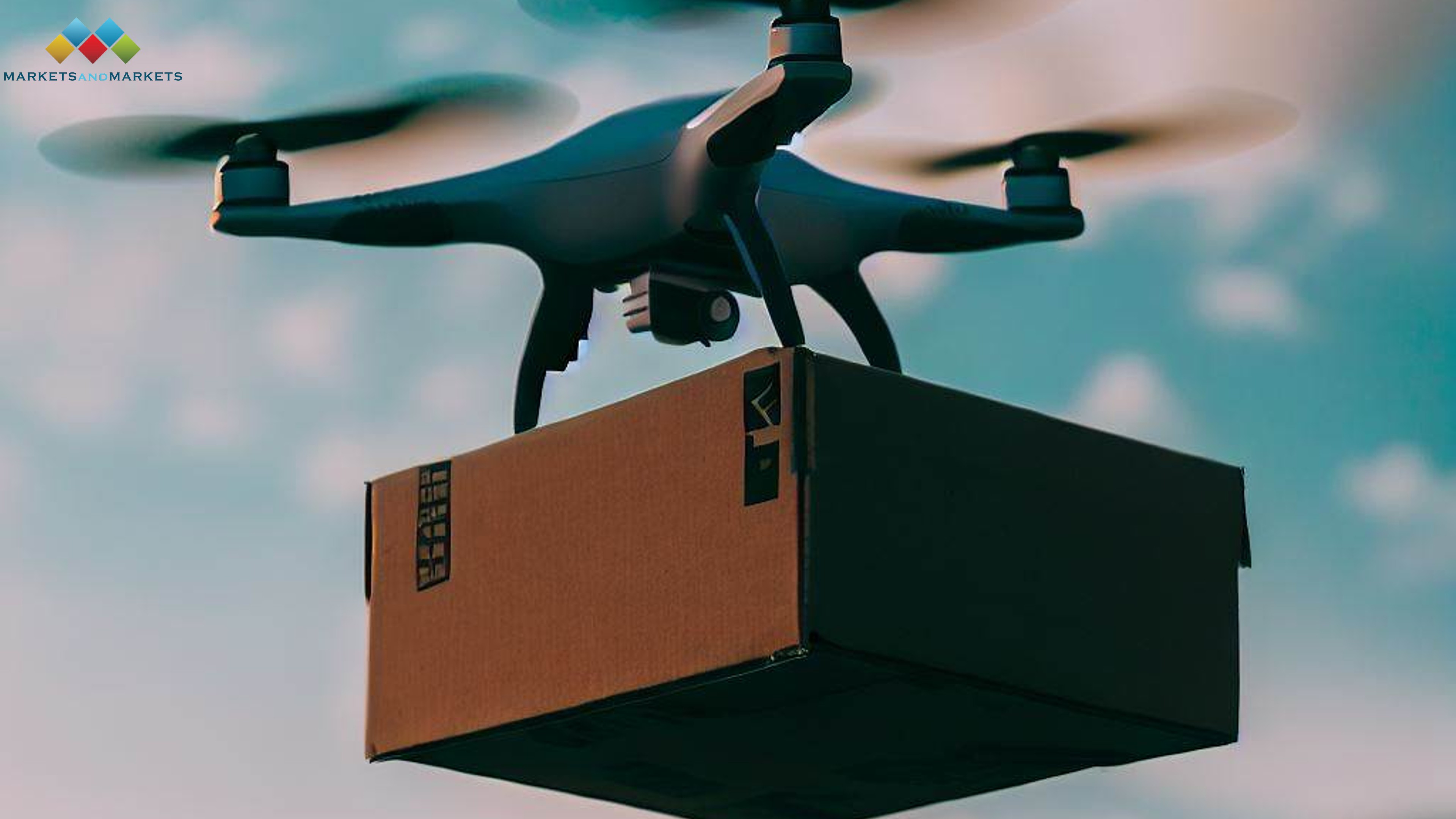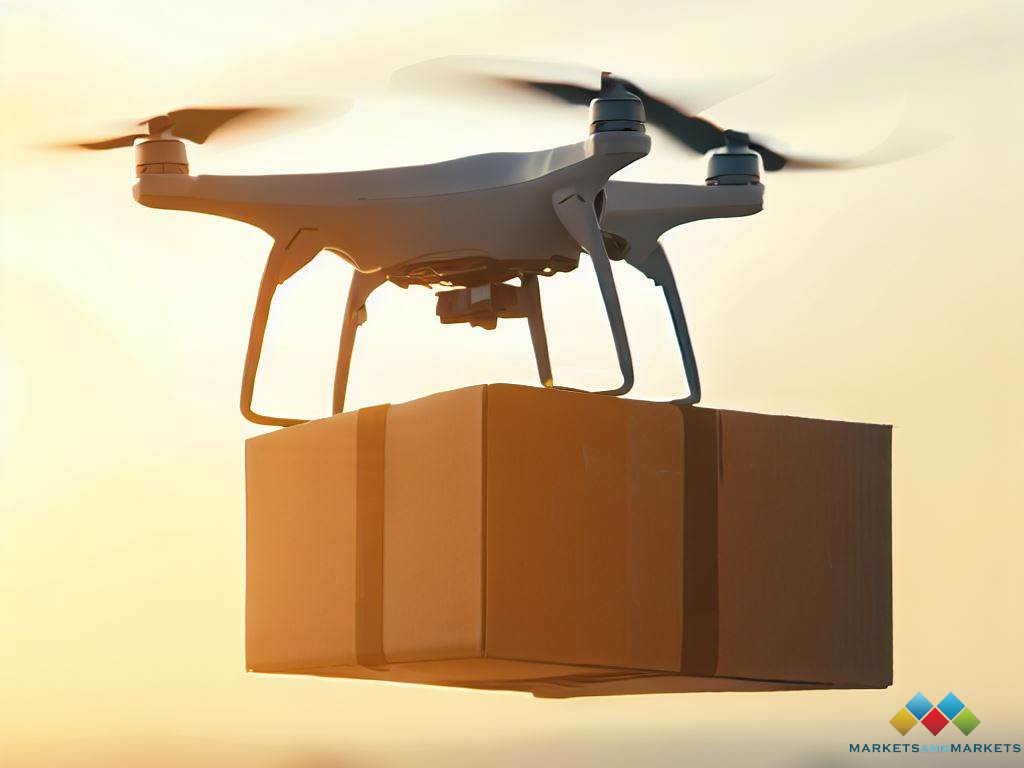
The Drone Package Delivery Market is experiencing remarkable growth, projected to reach USD 5,556 million by 2030 from USD 228 million in 2022, with a staggering CAGR of 49.0%. Technological advancements and the rising demand for efficient package delivery are driving this growth. Among the various regions, North America is emerging as a frontrunner in the drone package delivery market. In this blog post, we will explore the factors contributing to North America's dominance and its pivotal role in shaping the future of this industry.
North America's Favorable Environment for Drone Package Delivery
North America's ascent in the drone package delivery market can be attributed to several key factors. The region's increasing trend of online shopping on e-commerce platforms has created a high demand for swift and efficient delivery services. Additionally, favorable regulations set by the Federal Aviation Administration (FAA) in the United States have paved the way for the commercialization of drone package delivery, covering a wide range of applications, including food, pharmaceuticals, logistics, and retail.
Growing Presence of Key Market Players
Leading global companies such as Alphabet Inc., Deutsche Post DHL Group, Zipline, United Parcel Service of America, Inc., FedEx, Matternet Inc., EHang, Wingcopter, and The Boeing Company have established a dominant presence in the North American drone package delivery market. These market players have adopted strategic growth initiatives such as contracts, joint ventures, partnerships, acquisitions, and new product launches to expand their operations and solidify their position in the industry.
Technological Advancements Driving Market Growth
Technological advancements have played a vital role in the proliferation of drone package delivery. Innovations like Vertical Take-Off and Landing (VTOL), geospatial mapping, Internet of Things (IoT), and machine learning have significantly improved the accuracy and efficiency of package delivery. Drones equipped with AI capabilities can now perform a range of tasks, from launch and navigation to data acquisition, transmission, and analysis. These advancements enable autonomous and safe drone operations, contributing to their increased adoption in the delivery ecosystem.
Overcoming Challenges: Weather and Security Concerns
While the potential of drone package delivery is immense, it is not without its challenges. Adverse weather conditions pose a significant roadblock to drone delivery schemes. Factors like temperature, air density, and wind can affect a drone's lifting capacity and energy efficiency. However, ongoing research and development efforts aim to overcome these challenges through technological innovations.
Another concern is the security of drone deliveries. Operational security and the threat of data breaches and illegal activities, such as drug trafficking, are significant challenges. Ensuring proper security measures and implementing drone analytics software-as-a-service are crucial steps in mitigating these risks.
Seizing Opportunities: Post-Pandemic E-commerce and Contactless Delivery
The COVID-19 pandemic has accelerated the demand for contactless delivery solutions. Aerial delivery drones have played a vital role in delivering essential supplies, supporting law enforcement agencies, logistics companies, and healthcare providers. As countries remove lockdown restrictions, the aerial logistics capabilities of drone delivery continue to gain importance, particularly in the e-commerce sector. Organizations recognize the value of contactless delivery for critical medical supplies and retail goods, further fueling the growth of the drone package delivery market.
North America is leading the way in the drone package delivery market, driven by its favorable business environment, key market players, and technological advancements. The region's commitment to expanding drone delivery services, coupled with the increasing demand for contactless delivery, positions it at the forefront of this industry. Despite challenges related to weather and security, continuous innovation and collaboration among industry stakeholders promise to revolutionize the package delivery landscape and reshape the future of logistics in North America and beyond.
To Explore Further Insights and Understand the Assumptions Considered for This Study, Request a Free PDF Brochure: https://www.marketsandmarkets.com/pdfdownloadNew.asp?id=10580366
Disclaimer: This blog post is intended for informational purposes only and does not constitute professional advice. Don't hesitate to get in touch with our research team for more detailed and latest research by requesting a free pdf brochure.