


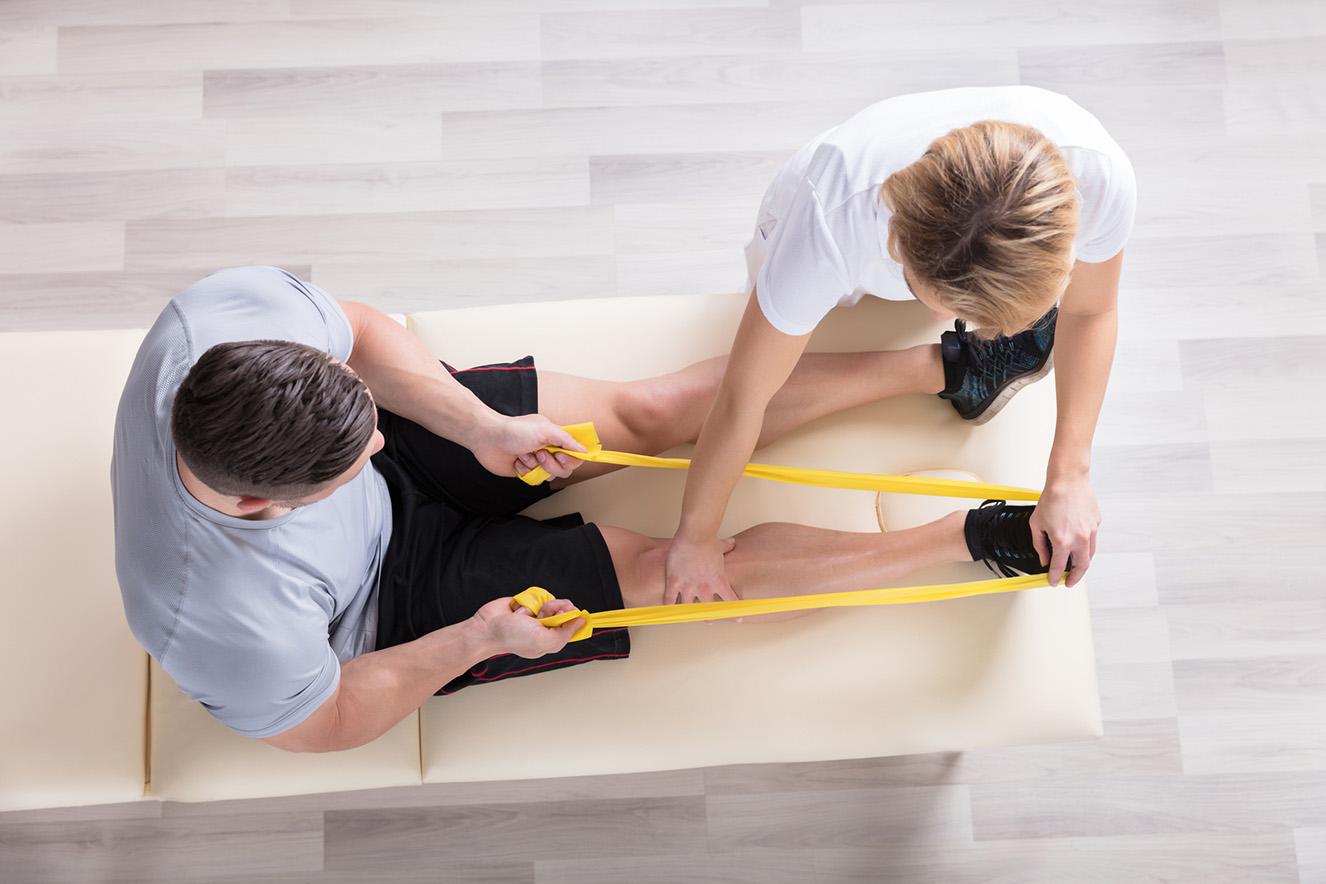
Total joint replacement surgery has become an increasingly common procedure to alleviate pain and restore function in individuals suffering from joint conditions such as osteoarthritis. While the surgical intervention itself plays a crucial role in improving joint health, an effective rehabilitation program is equally important for optimal recovery. Physiotherapy services are a cornerstone of rehabilitation programs for total joint replacement, offering specialized care and guidance to patients throughout their recovery journey. In this article, we will explore the role of physiotherapy in rehabilitation programs for total joint replacement and how it can contribute to rapid healing.
Understanding Total Joint Replacement Rehabilitation
Total joint replacement surgery involves replacing damaged or diseased joints with prosthetic implants. This surgical intervention aims to relieve pain, improve joint function, and enhance the overall quality of life for individuals suffering from joint conditions. However, the success of the surgery greatly depends on the patient's commitment to post-operative rehabilitation. Rehabilitation programs for total joint replacement are carefully designed to facilitate healing, restore joint mobility, and strengthen the surrounding muscles. These programs typically involve a multidisciplinary approach, with physiotherapy playing a central role in the process. Physiotherapists are highly trained healthcare professionals specializing in musculoskeletal conditions and are well-equipped to guide patients through their recovery.
The Role of Physiotherapy in Rehabilitation
Physiotherapy services provide a wide range of benefits for individuals undergoing total joint replacement surgery. These services are tailored to each patient's specific needs and focus on promoting a safe and efficient recovery. Here are some key roles of physiotherapy in rehabilitation programs for total joint replacement:
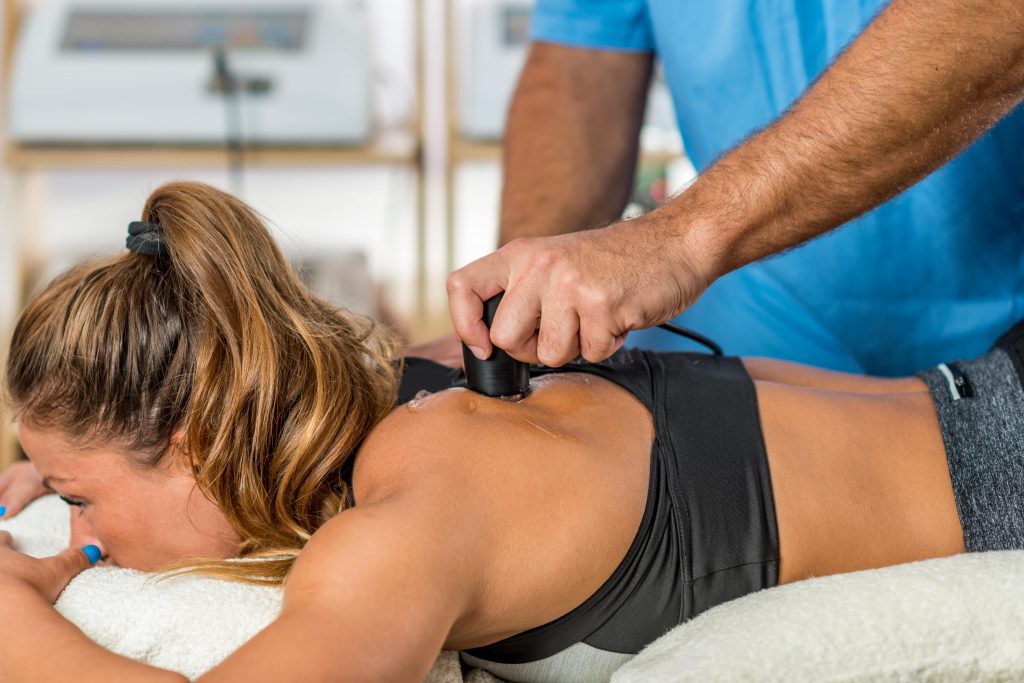
Pain Management: Following joint replacement surgery, patients often experience pain and discomfort. Physiotherapists employ various techniques such as manual therapy, electrical stimulation, and therapeutic exercises to alleviate pain and reduce swelling. They also educate patients on pain management strategies, ensuring a more comfortable rehabilitation process.
Restoring Joint Function: Physiotherapists play a crucial role in restoring joint mobility and functionality. Through targeted exercises and stretching techniques, they help patients regain range of motion in the affected joint. They also provide guidance on using assistive devices, such as crutches or walkers, to support mobility during the early stages of recovery.
Strengthening Muscles: Joint replacement surgery affects the surrounding muscles, which may have weakened due to the joint condition or surgical procedure. Physiotherapy includes specific exercises aimed at strengthening these muscles, enhancing stability, and improving overall joint function. Strengthening exercises are gradually progressed based on the patient's capabilities and progress.
Balance and Coordination: Physiotherapists address balance and coordination issues that may arise after joint replacement surgery. Impaired balance can increase the risk of falls and hinder daily activities. Physiotherapy interventions focus on improving balance through exercises that challenge stability and proprioception, ultimately enhancing the patient's confidence and reducing the risk of accidents.
Education and Self-Management: Physiotherapists provide patients with valuable education and self-management strategies to optimize their recovery. They educate patients on proper body mechanics, joint protection techniques, and home exercise programs, empowering them to take an active role in their rehabilitation journey. This knowledge equips patients with the tools they need to maintain their joint health and prevent future complications.
Rapid Healing Medical Services: Your Partner in Joint Replacement Rehabilitation
When it comes to comprehensive and effective physiotherapy services for total joint replacement rehabilitation, look no further than Rapid Healing Medical Services. Our dedicated team of highly skilled physiotherapists is committed to delivering personalized care and support throughout your recovery journey. We understand the unique challenges faced by individuals undergoing joint replacement surgery and tailor our programs to meet your specific needs. At Rapid Healing Medical Services, we utilize the latest evidence-based techniques and state-of-the-art equipment to ensure optimal outcomes for our patients. Our team works closely with surgeons and other healthcare professionals to provide a seamless and integrated rehabilitation experience. We prioritize your comfort, safety, and rapid healing, aiming to help you regain your mobility and independence as quickly as possible.
Conclusion
In conclusion, physiotherapy services play a vital role in the rehabilitation of individuals undergoing total joint replacement surgery. With their expertise in pain management, joint function restoration, muscle strengthening, balance improvement, and patient education, physiotherapists contribute significantly to rapid healing and successful recovery. If you're seeking a trusted partner for your joint replacement rehabilitation, choose Rapid Healing Medical Services for compassionate care and exceptional results. Contact us today to embark on your journey towards renewed joint health and vitality.

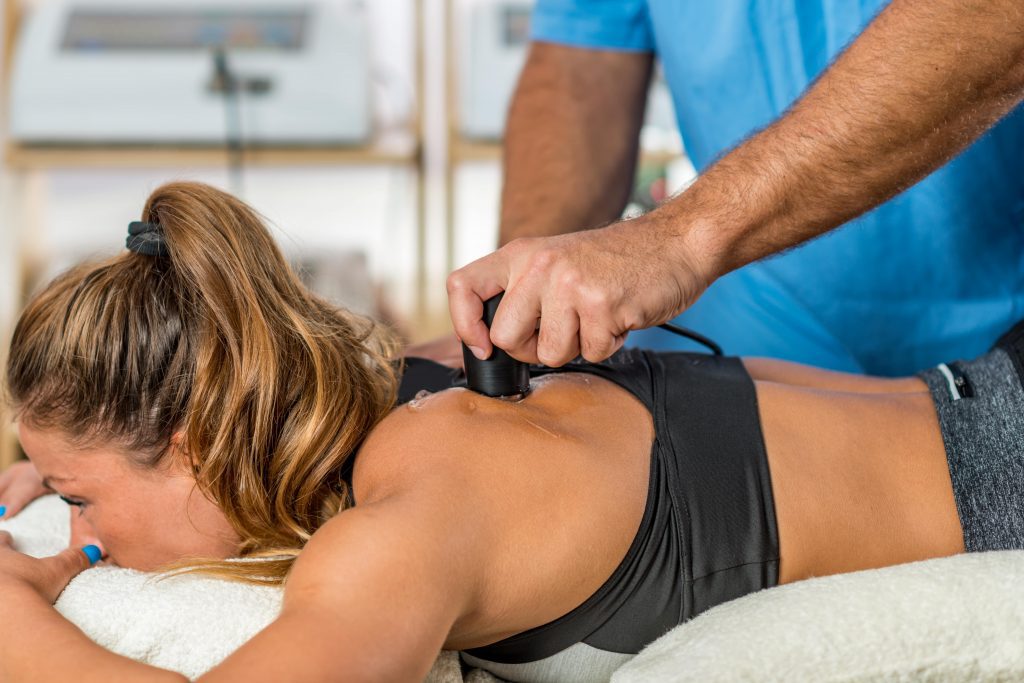


We provide Physiotherapy at home With affordable and accountable services, say good bye to all your worries and hassles of physiotherapy treatment.Read more: http://www.salespider.com/c-43592504/costeffective-physiotherapy-at-home-pain-free-p

The Wellness Pro Clinic that provider of the best physiotherapy clinic in Gurgaon for all your therapeutic needs whether you are a sportsperson or an elderly person.
We also provide speech therapy, diet-nutrition, acupuncture and homeopathy services along with physiotherapy.