





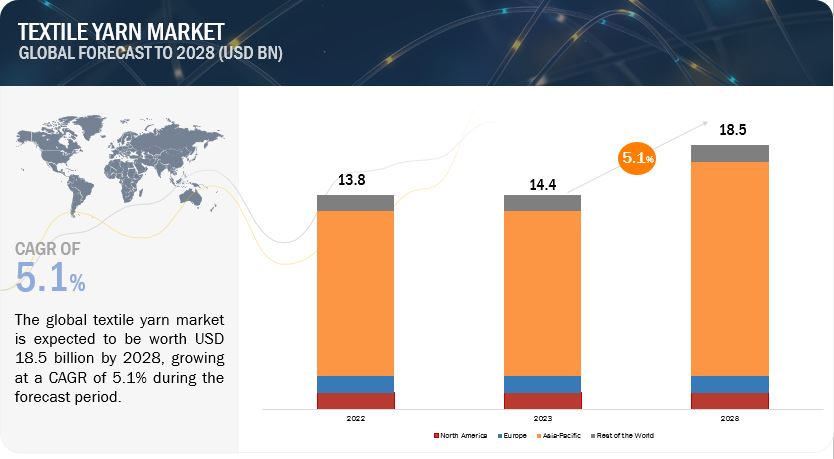
The textile yarn market is projected to reach USD 18.5 billion by 2028, growing at a CAGR of 5.1% from 2023 to 2028, according to a research report by MarketsandMarkets. The expanding middle class in emerging economies is a key factor driving the demand for textile yarn. As more individuals enter the middle-income bracket, there is an increased demand for affordable and fashionable clothing, leading to higher consumption of textile yarns.
Advancements in technology have also played a significant role in the market growth. Specialized yarns with enhanced properties, such as moisture-wicking, antimicrobial, and eco-friendly characteristics, have been developed. These innovations have fueled the demand for technical textiles in various sectors, including apparel, medical, sports, automotive, and aerospace.
The plant segment is expected to exhibit the highest CAGR during the forecast period. This growth is attributed to the rising demand for sustainable and eco-friendly products. Plant-based yarns, such as cotton, hemp, linen, and bamboo, are derived from natural sources and are considered more environmentally friendly compared to synthetic alternatives. Increasing environmental consciousness among consumers has driven the shift towards plant-based yarns, which are biodegradable, renewable, and have a lower carbon footprint.
In the artificial yarn category, the polyester segment is projected to dominate the market with the largest share in 2023. Polyester yarn offers exceptional durability and strength, making it suitable for various textile products. Its resistance to abrasion, wrinkles, and stretching results in long-lasting and low-maintenance fabrics. Cost-effectiveness is another factor driving the growth of the polyester segment, as it can be produced at a lower cost compared to natural fibers, making it economically viable for mass production and budget-conscious markets.
Turkey is expected to hold the largest market share in 2023. The country's textile industry is renowned for its expertise in manufacturing and a wide range of textile products. With a skilled workforce, advanced production technologies, and modern infrastructure, Turkey produces high-quality textile yarns that meet international standards. Additionally, Turkey offers a cost advantage with lower labor and production costs compared to many European counterparts, attracting customers and driving market growth.
Key players in the textile yarn market include Celanese Corporation, Asahi Kasei Corporation, TORAY INDUSTRIES, INC., Indorama Ventures Public Company, KURARAY CO., LTD., PARKDALE, Vardhman Textiles Limited, Huvis, Grasim Industries Limited, Raymond, Weiqiao Textile Company Limited, Arvind Advanced Materials, Masood Textile Mills Ltd, Hengli Group Co., Ltd., and Kipas Holding. These companies focus on product innovation, quality, and competitive pricing to meet the demands of the global textile yarn market.
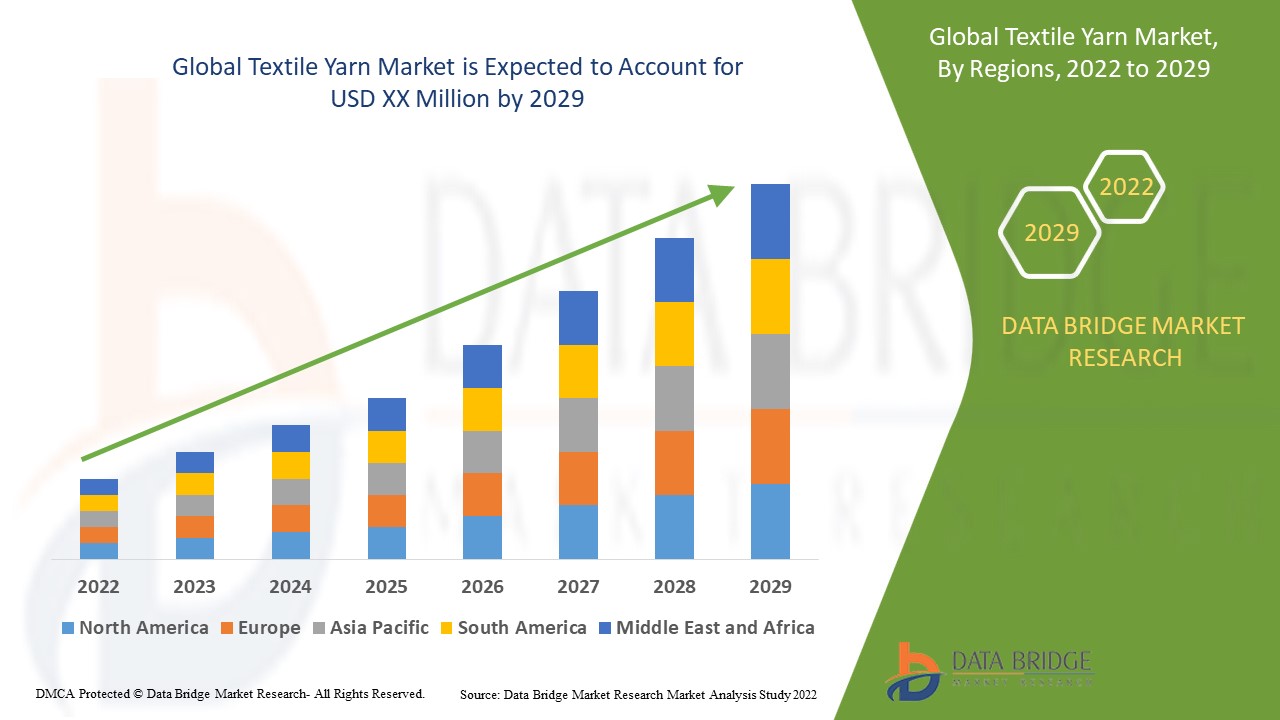
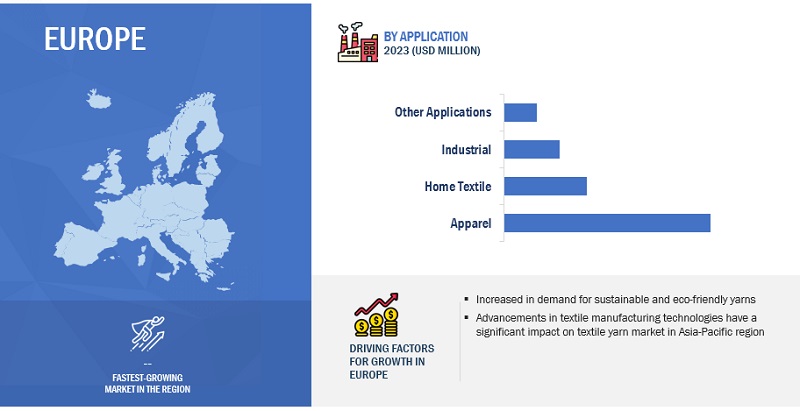
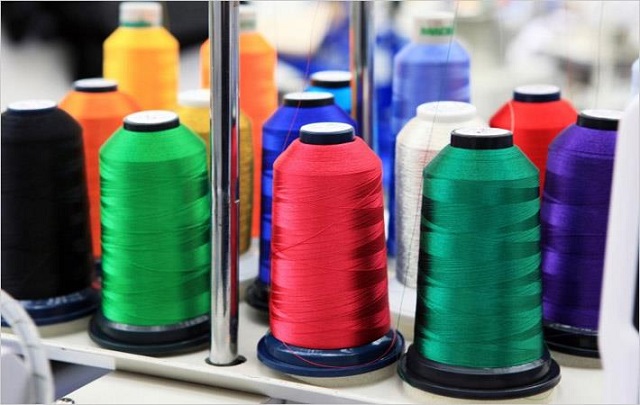
UpMarketResearch published an exclusive report on “Textile Yarn market” delivering key insights and providing a competitive advantage to clients through a detailed report.
Further, key players, major collaborations, merger & acquisitions along with trending innovation and business policies are reviewed in the report.
The report contains basic, secondary and advanced information pertaining to the Textile Yarn global status and trend, market size, share, growth, trends analysis, segment and forecasts from 2018 - 2025.
The numerical data is backed up by statistical tools such as SWOT analysis, BCG matrix, SCOT analysis, PESTLE analysis and so on.
The statistics are represented in graphical format for a clear understanding on facts and figures.
A.T.Grasim Industries LimitedHengli GroupHuvis CorporationKairuide HoldingLow & Bonar PLCParkdale Mills IncorporatedRaymond LimitedVardhman Textiles LimitedWeiqiao Textile Company Limited Textile Yarn Production by RegionUnited StatesEuropeChinaJapanOther Regions Get Best Discount On This Report @ https://www.upmarketresearch.com/home/request_for_discount/23780 Global Textile Yarn Market: Product Segment AnalysisNaturalArtificial Textile Yarn Breakdown Data by ApplicationApparelHome TextileIndustrial Get Free Exclusive PDF Sample Copy of This Report @ https://www.upmarketresearch.com/home/requested_sample/23780 The report categorizes the market into segments by companies, end-use, type and potential regions.