Introduction:
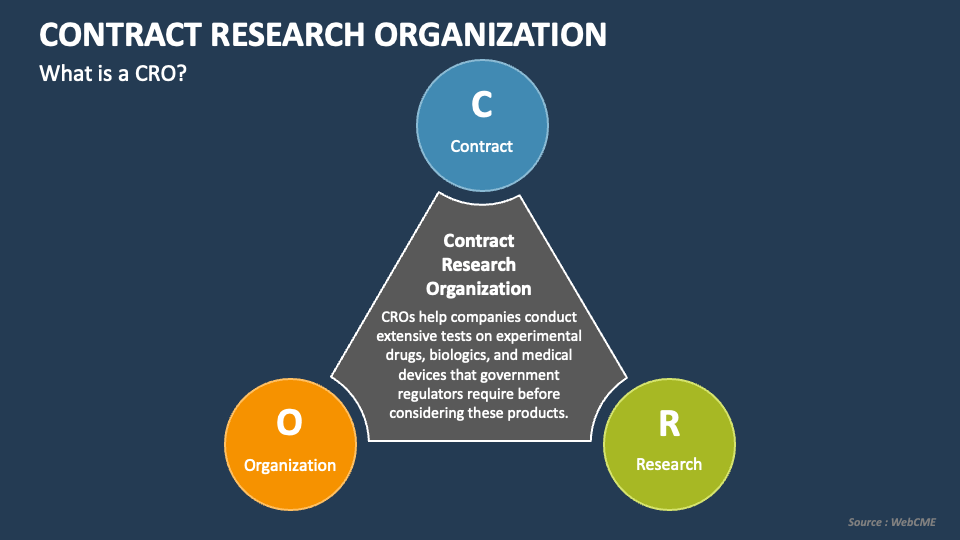
In the ever-evolving landscape of healthcare and pharmaceutical development, Clinical Research Organizations (CROs) play a crucial role in accelerating the translation of scientific discoveries into tangible therapeutic solutions. These organizations facilitate the necessary preclinical studies that pave the way for clinical trials and ultimately contribute to the development of personalized medicine. By harnessing their expertise and cutting-edge technologies, preclinical CROs bridge the gap between basic research and clinical application.
This article explores the vital role preclinical CROs play in supporting translational research and the development of personalized medicine, with a particular focus on the contributions of clinical research organizations in India.
Understanding Translational Research and Personalized Medicine
Translational Research: A Pathway to Progress
Translational research is the process of bridging the gap between scientific discoveries and their practical application in clinical settings. It encompasses both preclinical and clinical research phases, with the primary goal of transforming knowledge gained from basic research into therapeutic interventions that directly benefit patients. Preclinical CROs serve as key players in this process, facilitating the transition from bench to bedside.
Personalized Medicine: Tailoring Treatment to Individuals
Personalized medicine, also known as precision medicine, revolutionizes the traditional one-size-fits-all approach to healthcare. It recognizes that individuals respond differently to treatments based on their unique genetic makeup, lifestyle, and environmental factors. By leveraging advanced technologies, such as genomics, proteomics, and bioinformatics, personalized medicine aims to deliver targeted therapies that are more effective and less prone to adverse effects. Preclinical CROs contribute significantly to the development and validation of personalized medicine strategies.
The Role of Preclinical CROs in Translational Research
Preclinical Safety and Efficacy Studies
Before a potential therapeutic intervention can progress to human clinical trials, it must undergo rigorous preclinical testing. Preclinical CROs conduct safety and efficacy studies to assess the viability and effectiveness of new drugs or interventions. These studies involve in vitro and in vivo experiments, including animal models, to evaluate pharmacokinetics, toxicity, and therapeutic responses. By generating critical data, preclinical CROs assist in identifying promising candidates for further development.
Preclinical Models: Advancing Predictive Accuracy
The selection of appropriate preclinical models is paramount to ensure the successful translation of research findings to human clinical trials. Preclinical CROs utilize a wide range of models, including cell cultures, organoids, and animal models, to mimic human physiology and disease conditions. By designing and implementing well-controlled experiments, preclinical CROs enhance the predictive accuracy of preclinical models, enabling more reliable extrapolation of results to human patients.
Pharmacokinetic and Toxicity Assessments
Understanding the pharmacokinetic properties and potential toxicity of a drug is vital during the preclinical stage. Preclinical CROs conduct comprehensive pharmacokinetic studies to determine how a drug is absorbed, distributed, metabolized, and excreted within an organism. Additionally, they assess the potential toxicity and adverse effects of the drug through extensive toxicology studies. These evaluations provide crucial insights for refining dosage regimens and ensuring patient safety during subsequent clinical trials.
Preclinical CROs and Personalized Medicine
Biomarker Identification and Validation
Biomarkers are measurable indicators of biological processes or responses to specific interventions. They hold immense potential in guiding personalized medicine approaches by helping identify patient subgroups likely to respond favorably to a particular treatment. Preclinical CROs contribute to biomarker identification and validation by utilizing advanced techniques such as genomics, proteomics, and metabolomics. Through comprehensive profiling and analysis, these CROs assist in establishing robust biomarker panels that aid in patient stratification and treatment selection.
Preclinical Testing of Personalized Therapies
Personalized medicine relies on the development of targeted therapies tailored to individual patients. Preclinical CROs play a vital role in evaluating and optimizing these personalized treatment strategies. They conduct preclinical studies to assess the efficacy, safety, and mechanism of action of specific interventions designed for patient subgroups with distinct molecular or genetic profiles. These studies provide critical evidence to support the advancement of personalized therapies to clinical trials and eventual patient care.
Clinical Research Organizations in India: Advantages and Contributions
India has emerged as a prominent hub for clinical research, with a multitude of highly reputed Clinical Research Organizations operating within its borders. These CROs bring several advantages to the table, further supporting translational research and the development of personalized medicine.
Vast Patient Population and Diversity
India's large and diverse population provides a unique advantage for conducting clinical research studies. This diversity allows for the inclusion of varied genetic backgrounds and disease phenotypes, making the findings more applicable to global populations. Clinical Research Organizations in India leverage this advantage to contribute to the development of personalized medicine by ensuring representation from diverse patient cohorts.
Advanced Infrastructure and Expertise
Clinical Research Organizations in India boast state-of-the-art infrastructure and cutting-edge technologies that enable them to conduct high-quality preclinical and clinical research. These organizations house well-equipped laboratories, modern imaging facilities, and advanced computational resources, enabling efficient and accurate data generation and analysis. Their highly skilled scientific and technical personnel contribute their expertise to translational research efforts.
Conclusion:
Preclinical CROs serve as crucial enablers of translational research, bridging the gap between basic research and clinical application. Through their expertise and comprehensive services, these organizations contribute significantly to the development of personalized medicine. By conducting preclinical safety and efficacy studies, optimizing preclinical models, and evaluating personalized therapies, preclinical CROs lay the foundation for successful clinical trials and the eventual delivery of tailored treatments to patients. Clinical Research Organizations in India, with their vast patient population, advanced infrastructure, and cost-effective research solutions, make invaluable contributions to this process. Their involvement further enhances the prospects of translational research and paves the way for a future where personalized medicine becomes a reality for patients worldwide.