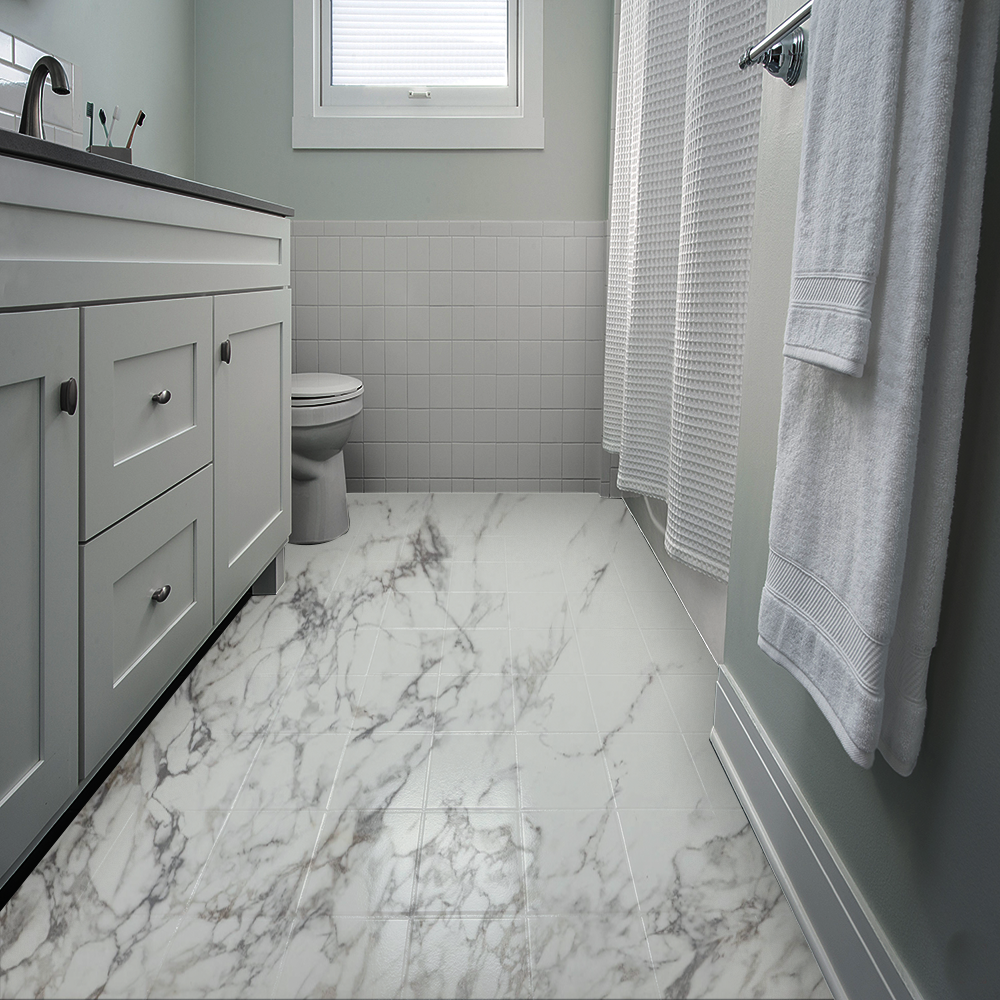
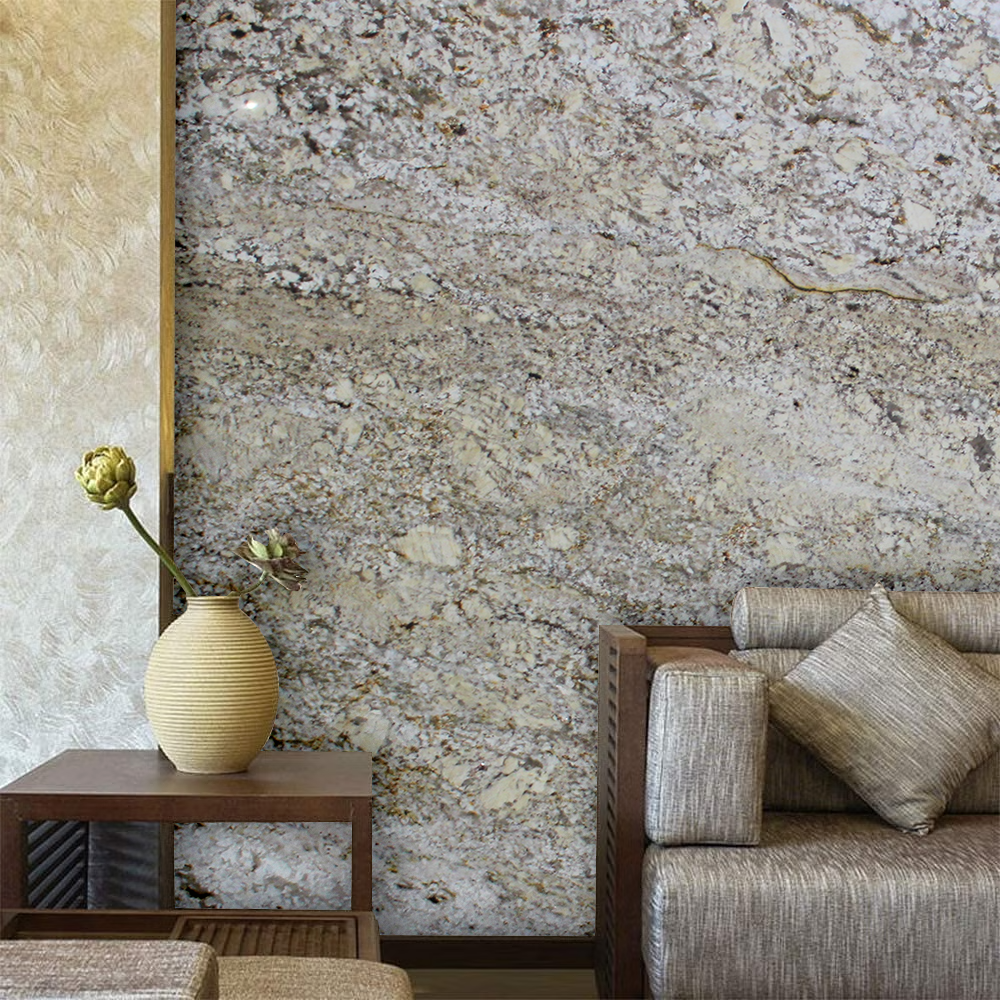
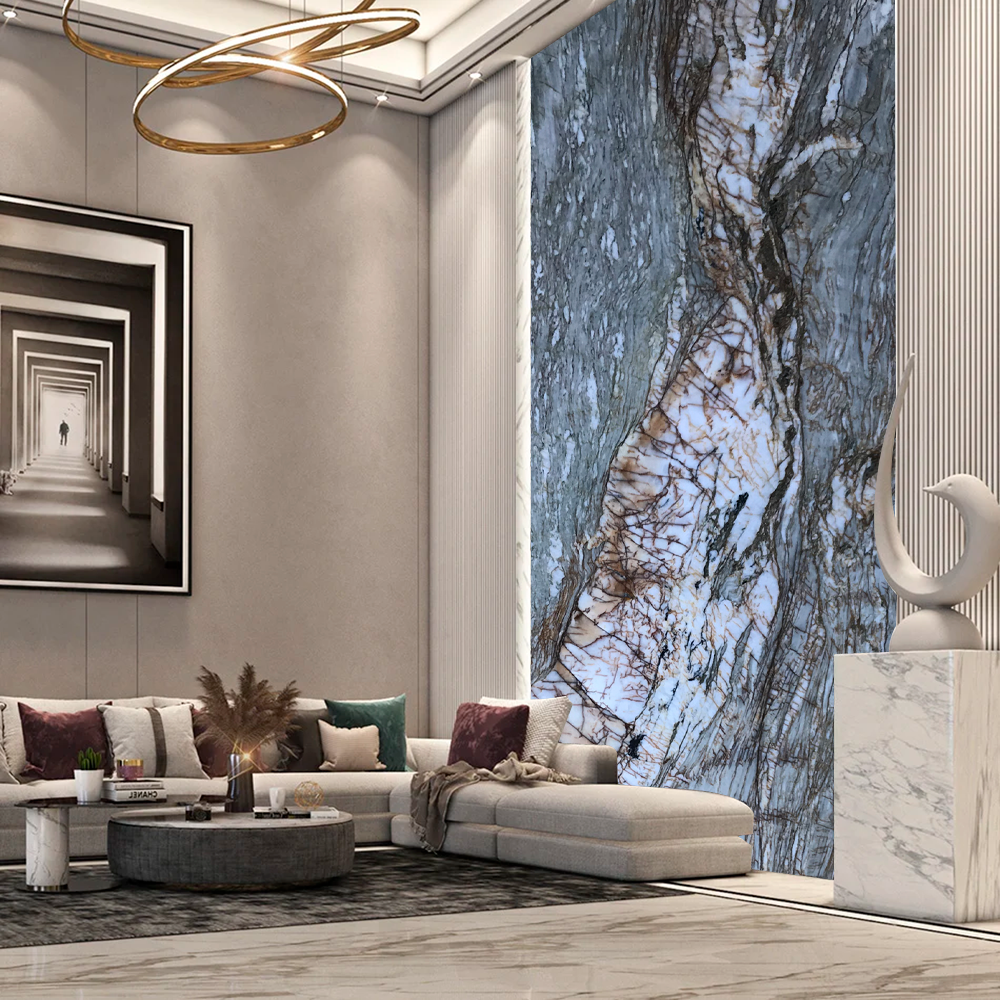
Taj Mahal Quartzite has a soft white background with faint gold veins. All natural quartzite is more durable than granite and is known for its marble-like wispy and dramatic veins. Throughout the home and commercial properties, use this elegant natural stone to create beautiful quartzite countertops, waterfall islands, floors, and accent walls. Slabs come in both brushed and polished finishes. Taj Mahal Quartzite is all-time favourite countertop and backsplash material. The appearance is creamy and delicious, with a marble-like flavour, but far more durable. Keep in mind that the total surface area and visual space that counters take up can often be more than half of your floor space.
Quartzite is a natural stone consisting of 90-99% quartz grains bound together with silica, the stone is formed underneath the surface of the earth where sandstone rich in quartz is reformed under high heat and pressure. Quartzite stone has a granular sugar-like texture and quartz-rich sandstone elicits an earthier feel and granular in appearance. Quartzite is a medium grain with interlocking quartz. This natural stone surface is a metamorphosed sandstone. The composition is dominated by quartz, but originally the sandstone contains some clay minerals and other minerals such as feldspar, fragments of rock that invade the stone in the form of impurities.
Quartzite is a low-cost maintenance material for quartzite kitchen tops. They have different degrees of porosity. Quartzite worktops are porous in nature, they need to be properly sealed to avoid staining and bacterial and fungal contaminations. Sealing is recommended once a year if the quartzite slab is dense and less porous. Though they are scratch-resistant, avoid using abrasive cleaners on the surface which eventually will wear out the polish. After the counters are wiped with soap solution, dry the surface clean to avoid any moisture from settling down. Avoid using Citrus based cleaners like vinegar and lemon or abrasives that can damage the work surface of the countertop. The acidic properties in these cleaners can deteriorate the sealer, causing your countertop to lose polish and be vulnerable to stains.