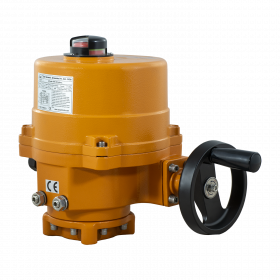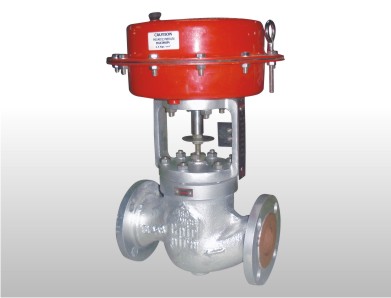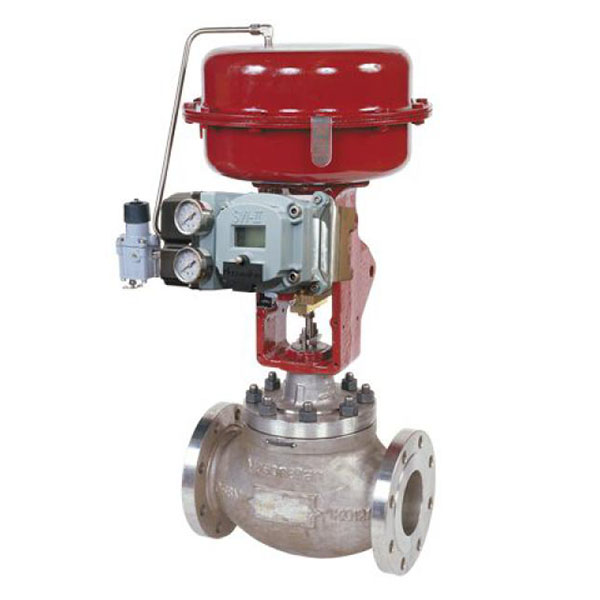


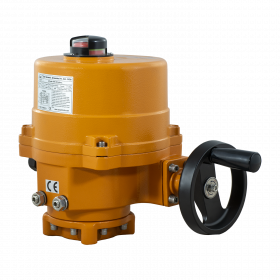
Motorized valves play a crucial role in various industries, offering enhanced control and automation capabilities. These valves utilize electric motors to regulate fluid flow, providing numerous advantages over traditional manual valves. In this article, we will explore the benefits and applications of motorized valves, shedding light on their importance in modern systems.
Benefits of Motorized Valves
- Efficient Control: Motorized valves enable precise control of fluid flow, allowing for accurate adjustment of process variables. The electric motors provide quick response times and reliable operation, facilitating optimal system performance.
- Automation Capabilities: With motorized valves, automation becomes possible, reducing the need for manual intervention. These valves can be integrated into control systems, enabling remote operation and eliminating the limitations of manual valve handling.
- Energy Conservation: Motorized valves contribute to energy conservation by allowing flow modulation based on demand. By adjusting the valve opening, the system can optimize energy consumption, resulting in reduced operational costs.
- System Protection: Motorized valves are equipped with position sensors that provide feedback on valve status. This feature allows for the implementation of safety measures such as fail-safe positions or alarms, protecting the system from potential damages or malfunctions.
- Precise Positioning: Motorized valves offer precise positioning control, ensuring accurate regulation of fluid flow. This capability is particularly valuable in applications where precise control is required, such as in chemical processing or HVAC systems.
Applications of Motorized Valves
- HVAC Systems: Motorized valves are extensively used in heating, ventilation, and air conditioning (HVAC) systems. They enable the control of heating and cooling fluids, facilitating temperature regulation in residential, commercial, and industrial buildings.
- Water Treatment: In water treatment facilities, motorized valves play a crucial role in regulating the flow of water and various treatment chemicals. They ensure accurate dosing, maintain proper pressure, and enable the efficient operation of filtration and purification processes.
- Industrial Processes: Motorized valves find wide applications in various industrial processes, including oil and gas, chemical manufacturing, and power generation. They are used for controlling the flow of liquids or gases in pipelines, optimizing production, and ensuring operational efficiency.
- Irrigation Systems: Motorized valves are employed in irrigation systems for efficient water distribution. They enable automated control of water flow to different sections of the irrigation network, ensuring optimal watering of crops, gardens, or landscapes.
- Pharmaceuticals and Food Processing: Motorized valves are essential in pharmaceutical and food processing industries, where hygiene and precision are paramount. They facilitate the regulation of fluid flow during manufacturing processes, ensuring consistent quality and adherence to strict industry standards.
Conclusion
A motorized valve offers numerous benefits in terms of control, automation, energy conservation, system protection, and precise positioning. Their applications span across various industries, including HVAC systems, water treatment, industrial processes, irrigation systems, and pharmaceuticals/food processing. Understanding the advantages and potential applications of motorized valves is crucial for engineers, system designers, and industry professionals seeking efficient and reliable fluid control solutions.