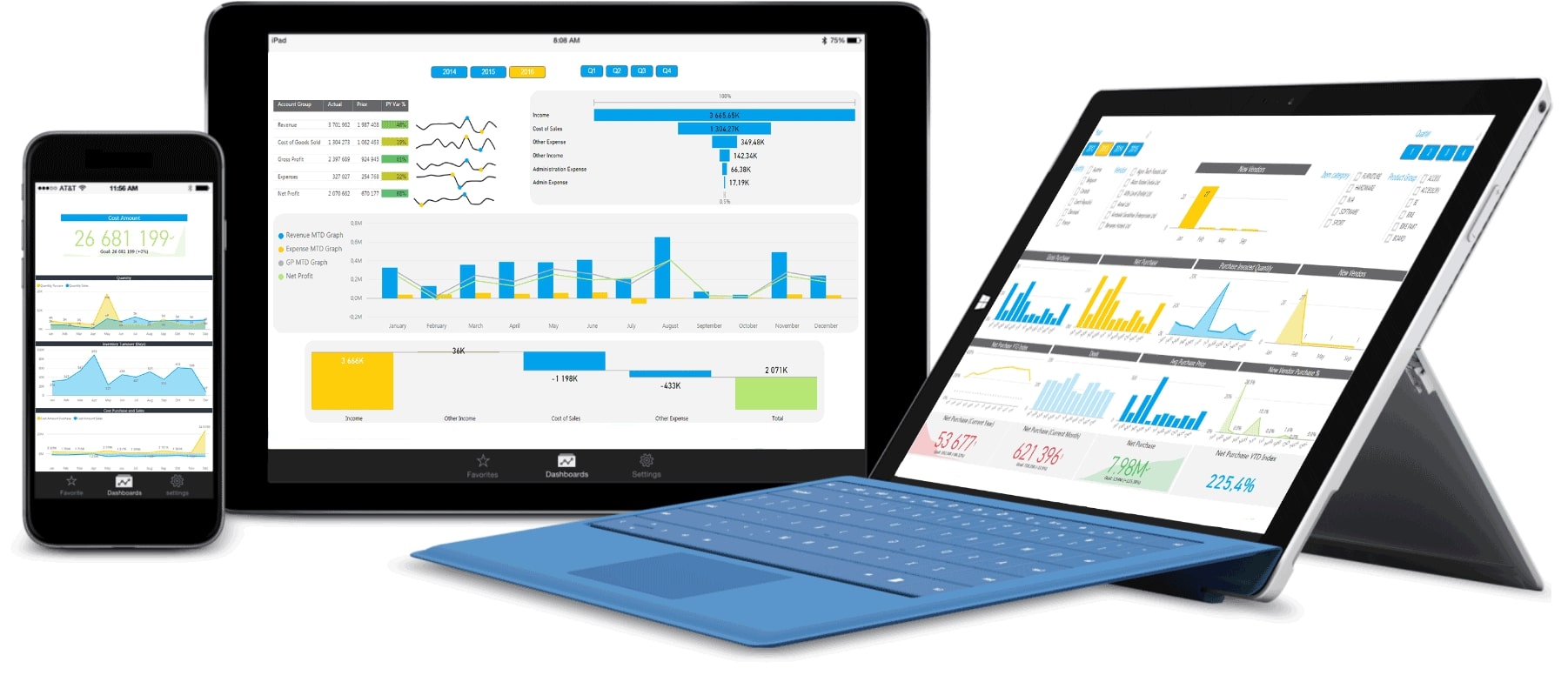



Implementing a robust Business Intelligence system is a transformative step towards data-driven decision-making. Sigma Solve has years of experience and expertise for successfully implement BI solutions, unlock valuable insights from their data, and gain a competitive advantage in today’s dynamic business landscape.
Clearly Define Objectives and Key Performance Indicators (KPIs):
Before diving into BI implementation, it is crucial to define your organization’s objectives and identify the key performance indicators (KPIs) that align with those goals. Clearly articulate what you hope to achieve through BI, such as improved sales performance, enhanced operational efficiency, or better customer insights. This clarity will guide your BI implementation strategy and ensure you focus on the right metrics.
Establish a Cross-Functional Implementation Team:
BI implementation involves various stakeholders from different departments. To ensure success, establish a cross-functional implementation team consisting of individuals from IT, business units, and executive leadership. This team should collaborate closely, aligning business needs with technical requirements, and ensure effective communication throughout the implementation process.
Conduct a Thorough Data Assessment:
One of the critical steps in BI implementation is conducting a thorough assessment of your organization’s data landscape. Identify the data sources, evaluate their quality, completeness, and reliability, and address any existing data quality issues. It is essential to ensure that your data is accurate, consistent, and accessible for effective BI reporting and analysis.
Choose the Right BI Tools:
Selecting the appropriate BI tools that meet your organization’s specific needs is crucial. Consider factors such as ease of use, scalability, integration capabilities, and the ability to handle different data types. Engage key stakeholders to understand their requirements and involve them in the tool selection process. Also, ensure that the chosen tools align with your long-term BI roadmap and can accommodate future growth and evolving business needs.




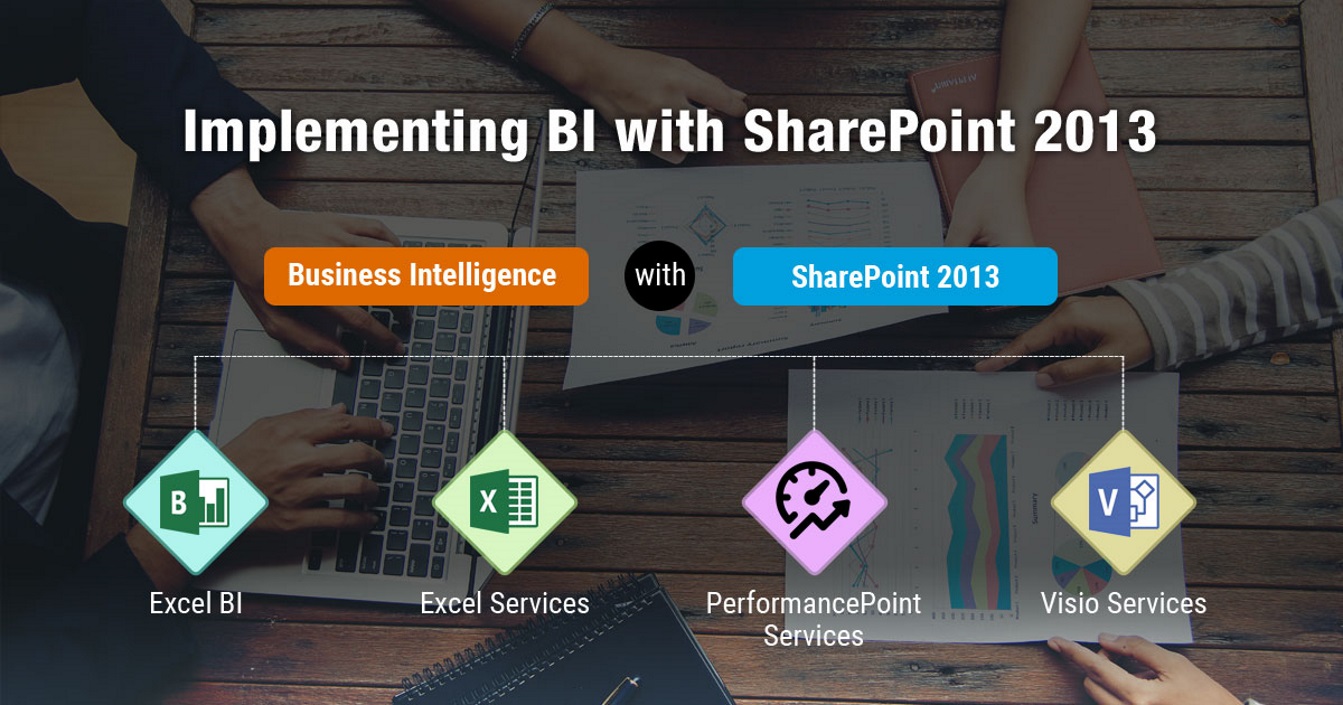
Implementation of the right Business Intelligence solution with SharePoint 2013 allows your organization to manage structured and unstructured data effectively, your decision making power can be enhanced, improved self – service features and enables you to share and collaborate information seamlessly across your organization.