Water is an essential element for human survival, and the quality of the water we consume directly impacts our health. With concerns about pollutants and contaminants in water sources, people often seek alternatives to tap water. Reverse osmosis (RO) water has gained popularity as a cleaner and safer option. However, before jumping to conclusions, it's important to examine the benefits and drawbacks of both RO and tap water to determine which is safer to drink.
Tap water, treated by local municipal authorities, undergoes a series of filtration processes to ensure its safety for consumption. These processes typically include disinfection with chlorine or chloramine, sedimentation, and filtration. The goal is to remove harmful bacteria, viruses, and other contaminants. While tap water is regulated and monitored for quality, there is always a risk of contaminants making their way into the supply due to aging infrastructure or environmental factors.
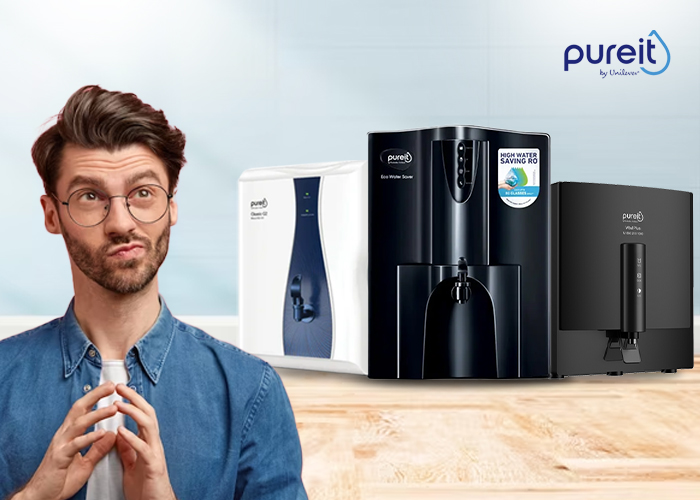
On the other hand, Question is RO water good for you? Yes RO water is obtained by passing tap water through a semi-permeable membrane, effectively removing impurities and contaminants. This process eliminates various pollutants, such as heavy metals, pesticides, chemicals, and bacteria, providing a purer form of water. The taste of RO water is often perceived as cleaner, without the chlorine aftertaste that tap water may have. However, despite the advantages, there are some factors to consider before concluding that RO water is unequivocally better for consumption.
One important factor to consider is the natural mineral content of water. Tap water usually contains essential minerals like calcium, magnesium, and potassium, which are vital for our health. While RO water effectively removes contaminants, it also eliminates these beneficial minerals. Over time, consuming demineralized water can lead to mineral deficiencies. To address this concern, some RO systems are equipped with mineralizers that add essential minerals back into the water after filtration. Alternatively, one can obtain minerals from a balanced diet or through supplements.
Moreover, the process of reverse osmosis is not 100% efficient, resulting in significant water wastage. For every gallon of RO water produced, several gallons are wasted during the filtration process. This water wastage contributes to environmental concerns, particularly in regions facing water scarcity. It's crucial to weigh the environmental impact when considering the benefits of RO water.
Another aspect to consider is the potential for bacterial growth in RO systems. The stagnant water stored in RO tanks can provide a breeding ground for bacteria if not properly maintained. Regular cleaning and sanitization of the system are necessary to prevent bacterial contamination. Tap water, on the other hand, is continuously flowing, minimizing the risk of bacterial growth.
In conclusion, both RO and tap water have their pros and cons. Tap water, treated by local authorities, undergoes regulated processes to ensure safety, but there is a risk of contaminants entering the supply. On the other hand, RO water effectively removes impurities but eliminates beneficial minerals and contributes to water wastage. To determine which water source is safer to drink, it's essential to consider factors such as mineral content, environmental impact, and the need for regular maintenance.
If you have concerns about the quality of your tap water, it's advisable to consult your local water authority for information on the source, treatment processes, and any potential issues. Additionally, you can consider using water filters that are specifically designed to remove particular contaminants, providing an extra layer of protection.
Ultimately, the choice between RO water and tap water depends on personal preferences, local water quality, and individual health considerations. It's important to make an informed decision based on the available information and prioritize your health and the environment in the process.