Seal Out the Risk: PVC Water Stoppers for Leak Prevention
Water leakage is a common problem faced in many construction projects, be it residential, commercial, or infrastructure. The risk of water seepage and leakage can lead to extensive damage to structures, compromising their integrity and stability. To mitigate this risk, the use of PVC water stoppers has become widely adopted. PVC water stoppers are effective tools that provide a reliable barrier against water infiltration in various applications, offering long-term protection and durability.
Understanding PVC Water Stoppers
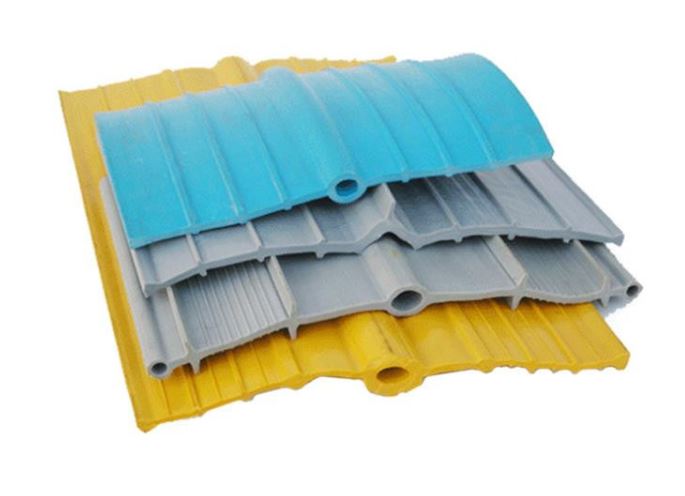
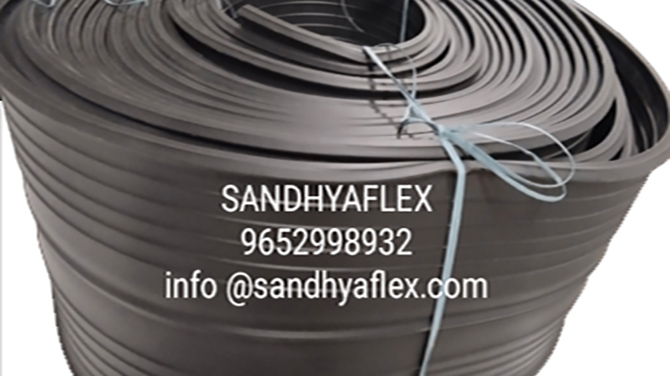
PVC water stoppers are flexible strips made from high-quality polyvinyl chloride (PVC) material. They are designed to restrict the passage of water through construction joints, expansion joints, and movement joints. These joints often exist in concrete structures, such as basements, water tanks, tunnels, swimming pools, and dams, where water pressure may exert significant force.
The PVC water stoppers are manufactured using a carefully formulated PVC compound, ensuring their resistance to chemicals, alkaline or acidic environments, and ultraviolet (UV) radiation. This makes them suitable for both indoor and outdoor applications, guaranteeing longevity and reliability.
The Benefits of PVC Water Stoppers
PVC water stoppers offer numerous advantages when it comes to leak prevention and ensuring structural integrity:
1. Waterproofing: The primary function of PVC water stoppers is to prevent water leakage. They effectively seal joints, preventing water from seeping through and damaging the concrete structures. This helps maintain a dry and stable environment within the building or infrastructure, extending its lifespan.
2. Chemical Resistance: PVC water stoppers are highly resistant to chemicals, acids, and alkalis. They can withstand harsh environments and aggressive substances, making them ideal for applications that involve contact with chemicals or industrial wastewater.
3. Flexibility: The flexibility of PVC water stoppers allows them to accommodate movements and deformations in concrete structures caused by factors such as temperature changes, settling, and seismic activities. This flexibility ensures a tight seal, preventing any water seepage under various conditions.
4. Easy Installation: PVC water stoppers are easy to install, making them a convenient choice for construction projects. They are available in various shapes and sizes, allowing for customization based on specific project requirements. Their installation process is straightforward, reducing time and labor costs.
5. Durability: PVC water stoppers are designed to withstand long-term exposure to weather, UV radiation, and environmental factors. They do not corrode or degrade over time, ensuring reliable performance and leak prevention throughout the lifespan of the structure.
Applications of PVC Water Stoppers
PVC water stoppers find widespread application in numerous construction projects, including:
1. Basements: PVC water stoppers are commonly used in basements to prevent water infiltration through joints between the foundation walls and the floor slab. They help create a watertight seal, keeping the basement dry and protecting it from potential water damages.
2. Water Tanks and Reservoirs: PVC water stoppers are essential in water tanks and reservoirs, ensuring a secure barrier against water leakage. They are installed in the construction joints and expansion joints of these structures to prevent water seepage, maintaining water storage integrity.
3. Tunnels and Subway Systems: PVC water stoppers are critical in tunnel and subway construction, where water penetration can cause significant safety hazards. They are used to seal construction joints and prevent water ingress, ensuring the structural stability of these transport systems.
4. Swimming Pools: PVC water stoppers are widely employed in swimming pools to prevent water leakage through the joints. They help maintain water retention, protect the surrounding structures from water damage, and enhance the overall durability of the pool.
5. Dams and Canals: PVC water stoppers play a vital role in dam and canal construction, ensuring waterproofing and preventing water seepage. They are installed in the expansion joints and construction joints to maintain the structural integrity of these hydraulic structures.
Conclusion
PVC water stoppers are indispensable tools for leak prevention in construction projects. Their ability to create a watertight seal, withstand environmental challenges, and accommodate structural movements make them a reliable choice for ensuring the integrity and longevity of concrete structures. With their numerous benefits and various applications, PVC water stoppers are an effective solution to seal out the risk of water leakage, providing long-term protection and peace of mind for builders, engineers, and property owners alike.