


I wanted to take a moment to discuss fuel-saving devices and their effectiveness in improving fuel efficiency. Fuel-saving devices, also known as fuel economy devices or fuel efficiency enhancers, are products or systems that claim to reduce fuel consumption and increase mileage in vehicles. While there is a wide range of such devices available on the market, it is important to approach them with a critical mindset and understand their limitations.
It is essential to note that the effectiveness of fuel-saving devices can vary significantly, and not all devices deliver the promised results. Some of these devices may rely on unsubstantiated claims or pseudoscience, promising substantial fuel savings without solid evidence or proper testing. It is crucial to be cautious and skeptical when considering such devices.
However, there are legitimate fuel-saving technologies and practices that can help improve fuel efficiency. These typically fall into two categories: aerodynamic improvements and engine management systems.
- Aerodynamic Improvements: Certain modifications to a vehicle's design can reduce drag and improve its aerodynamics, leading to better fuel efficiency. These modifications may include:
- Rear spoilers: Spoilers can help reduce drag and turbulence, improving the vehicle's aerodynamics at higher speeds.
- Air dams: Adding air dams or front spoilers can redirect airflow around the vehicle, minimizing resistance.
- Side skirts: Side skirts can prevent air from flowing underneath the vehicle, reducing drag.
- Streamlined body kits: Some vehicles offer optional streamlined body kits designed to optimize aerodynamics.
- Tonneau covers: Installing tonneau covers on pickup truck beds can reduce air turbulence and improve fuel efficiency.
- Engine Management Systems: Advanced engine management technologies can also contribute to fuel savings. These systems aim to optimize the combustion process and reduce energy losses. Examples include:
- Electronic Fuel Injection (EFI): EFI systems provide precise control over the fuel-to-air ratio, resulting in improved fuel efficiency and reduced emissions.
- Variable Valve Timing (VVT): VVT systems adjust the timing of engine valves, optimizing power output and fuel consumption across different driving conditions.
- Start-stop systems: These systems automatically shut off the engine when the vehicle is stationary, such as at traffic lights, conserving fuel.
- Hybrid and electric systems: Hybrid and electric vehicles combine internal combustion engines with electric motors, resulting in increased fuel efficiency by utilizing regenerative braking and electric power in certain driving situations.
While these examples represent established technologies and practices that can genuinely enhance fuel efficiency, it is important to note that the overall impact on fuel savings may vary depending on various factors, including vehicle type, driving conditions, and individual driving habits.
In conclusion, when considering fuel-saving devices, it is crucial to exercise caution and conduct thorough research. Stick to scientifically validated technologies and practices that have proven track records in enhancing fuel efficiency. Remember that responsible driving habits, regular vehicle maintenance, and using the correct fuel grade recommended by the manufacturer also play significant roles in achieving optimal fuel economy.
Stay informed and make well-informed choices to maximize your vehicle's fuel efficiency.
A hard-working engine as all of us understand equals more fuel consumption.
There are many ways that have been attempted and examined gradually in order to enhance the gas mileage of vehicles.
Allow\’s check out some ways that have been preferred in time.Keep learning here: http://fueldelivery101.bravesites.com/entries/general/how-to-raise-the-fuel-economic-situation-of-your-associate-common-aftermarket-products
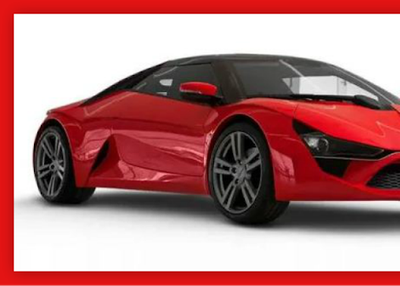
DC Avanti price of Rs.
34.07 lakhs has many blessings and has subsequent technical characteristics.
Avanti comprises hydrocarbon engine, the quantity of the Sports Car is 2000 cc with integrated cylinder configuration.
The automotive will develop the ability to 250, the torsion is measured 340.
Fuel consumption in town Mileage is concerning eight km/liter.
DC Avanti has Manual half-dozen Gears Transmission.