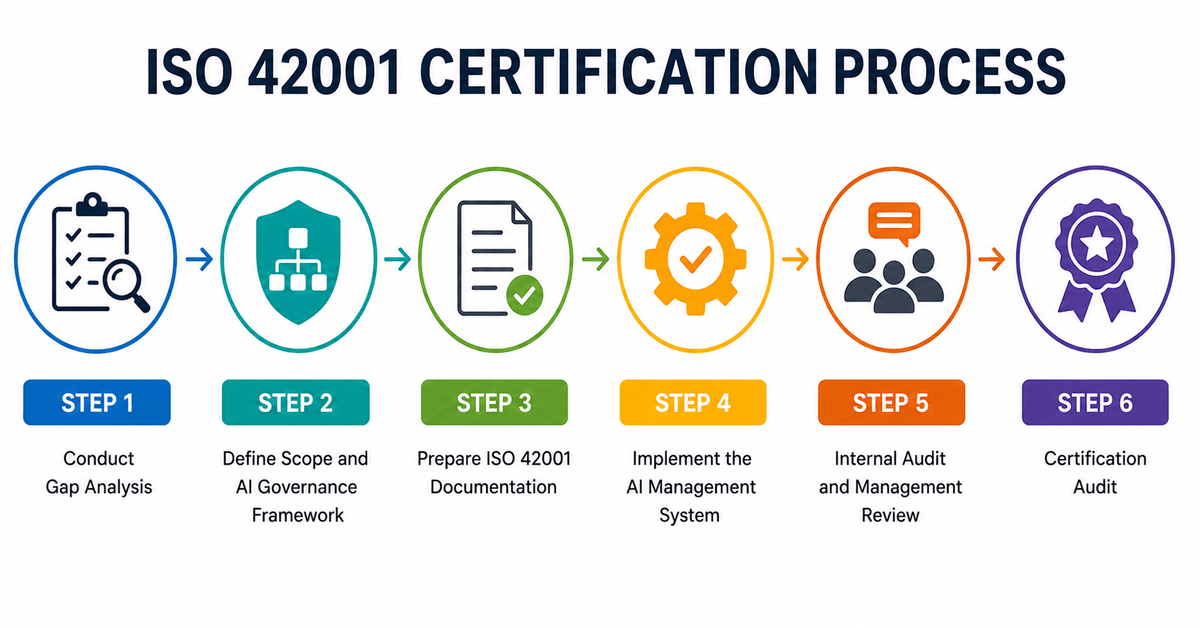
ISO 15189 - Medical Laboratories is an international standard that specifies the quality and skills necessary in medical lab environments. It is essentially a standard that demands labs to construct a strong, dependable quality management system (QMS) to demonstrate their competence. ISO 15189 covers all aspects of quality control in medical laboratories, from initial planning and design through final disposal of laboratory waste. It covers laboratory facility requirements, employee training, and laboratory information management.
ISO 15189 is generally based on ISO 9001 and ISO 17025 standards. The ISO 9001 standard is for quality management and ISO 17025 is for laboratory of testing and calibration. In this article, we delve into the benefits of ISO 15189 certification and how to obtain ISO 15189 certification. In the era of online, there are lots of courses present likewise ISO 15189 Lead Implementer training course is designed for awareness of ISO 15189 and its implementation.
Benefits of ISO 15189 Certification
It is commonly recognized that when a laboratory is ISO accredited, it obtains not only local but also international recognition. This privilege is also granted under the ISO 15189 standard for medical laboratories. However, there are other advantages to ISO 15189 certification that go beyond brand image and commercial objectives.
- Risk mitigation
- Management of Quality Has Been Improved
- Enhanced Efficiency
- Enhanced marketability
- Satisfaction of customers
How to execute and obtain ISO 15189 certification?
The ISO 15189 standard emphasizes the need of involving the management committee while developing a new quality management system. And, of course, before making any adjustments or alterations, one must review all of the requirements for establishing the proper procedures and processes to comply with the standard.
The management committee of the medical laboratory bears significant responsibility and plays a vital role in process design, implementation, and continuous improvement by providing:
- The necessary policy and managerial support;
- The company's distribution of jobs and duties;
- All of the resources required to meet the requirement;
- Adequate training is necessary for the successful implementation of a QMS.
Several conditions must be met before implementing a QMS based on ISO 15189. Here are a few examples:
Organizational prerequisites:
- The formulation and implementation of a general policy, including its objectives and indicators;
- System of communication with all stakeholders
- Personnel education.
Requirements for risk management:
- The use of quality assurance principles through the general supervision of documentation
- Procedures and analytical methods list; risk prevention; quality controls; internal audits
- The overall action plan
Technical requirements
- Material, equipment, and facility management; environmental considerations (consumables, waste, etc.)
- The laboratory's computer system.
The ISO 15189 standard is an international accreditation for high-quality medical laboratories. ISO 15189, like all other ISO standards, requires the laboratory to take a technically, managerially, and administratively difficult approach. To successfully complete these duties, firms can rely on digital solutions to save time, innovate, and conduct self-assessment prior to a certification audit. This technology, together with ISO certification, will ensure the successful and efficient implementation of an effective quality management system.