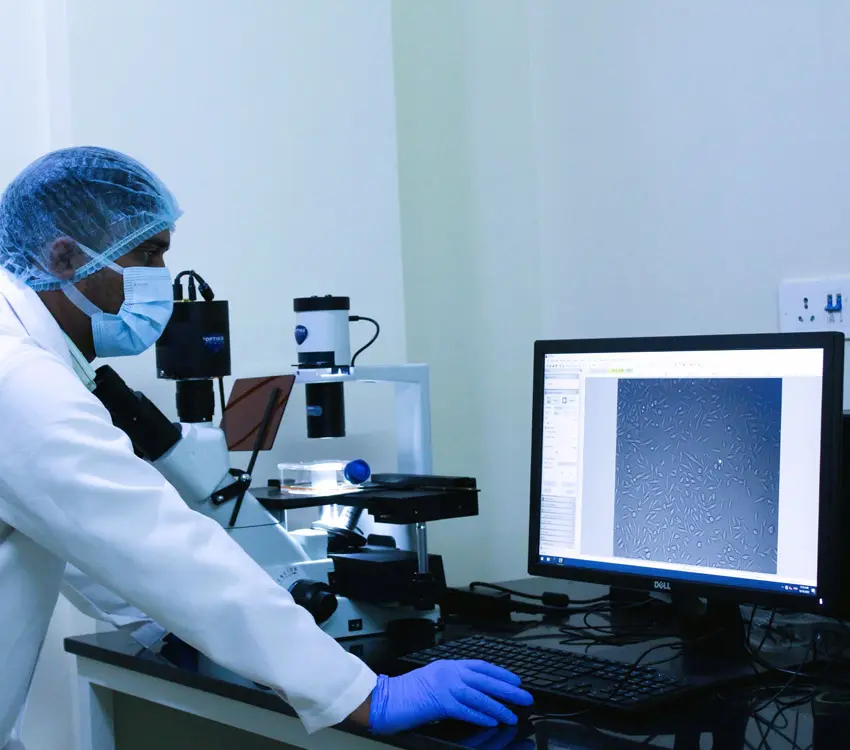
Introduction :
In the quest to discover effective therapeutics for neurodegenerative diseases, researchers rely on various tools and techniques to assess the potential of drug candidates. Among these tools, in vitro screening plays a pivotal role. In vitro screening involves testing potential drug compounds in controlled laboratory environments outside of living organisms. By simulating the physiological conditions relevant to neurodegenerative diseases, In vitro screening provides valuable insights into the efficacy, safety, and mechanism of action of drug candidates.
In this blog, we delve into the fascinating world of in vitro screening and explore how it supports the development of therapeutics for neurodegenerative diseases.
Understanding Neurodegenerative Diseases :
Neurodegenerative diseases encompass a range of debilitating conditions characterized by the progressive degeneration and dysfunction of neurons in the central nervous system (CNS). Diseases such as Alzheimer's, Parkinson's, Huntington's, and amyotrophic lateral sclerosis (ALS) are among the most prominent neurodegenerative disorders. These diseases are complex and multifactorial, involving intricate molecular and cellular processes that contribute to neuronal damage and subsequent clinical symptoms.
The Role of In Vitro Screening:
In vitro screening provides a controlled and reproducible environment to assess the potential of drug candidates for treating neurodegenerative diseases. Here are some key ways in which in vitro screening supports therapeutic development:
Target Identification and Validation:
In vitro screening allows researchers to identify and validate specific molecular targets involved in neurodegenerative diseases. By testing potential drug candidates against these targets, researchers can determine their binding affinity and selectivity. This information aids in the development of drugs that specifically interact with the target and modulate disease-related processes.
Assessing Drug Efficacy:
In vitro screening enables researchers to evaluate the efficacy of drug candidates by assessing their ability to modulate disease-specific mechanisms. For example, in the case of Alzheimer's disease, researchers may use in vitro models to study the effect of potential drugs on beta-amyloid aggregation or tau protein phosphorylation, which are key pathological hallmarks of the disease. These studies provide crucial insights into the potential therapeutic benefits of the drug candidates.
Exploring Mechanisms of Action:
In vitro screening helps elucidate the mechanisms of action of drug candidates. By studying their effects on cellular pathways and processes associated with neurodegeneration, researchers can unravel the intricate molecular interactions that underlie disease progression. Understanding these mechanisms is vital for optimizing drug design and developing targeted therapeutics.
Assessing Safety and Toxicity:
In vitro screening also plays a significant role in assessing the safety and toxicity profile of drug candidates. By exposing cells or neuronal cultures to potential drugs, researchers can evaluate their impact on cell viability, cytotoxicity, and other relevant parameters. This information guides the selection of drug candidates with acceptable safety profiles for further development.
High-Throughput Screening:
Advancements in technology have revolutionized in vitro screening, enabling high-throughput approaches. These automated methods allow researchers to screen large libraries of compounds against disease-specific targets or cellular models, greatly expediting the drug discovery process. High-throughput screening enables the identification of potential drug candidates more efficiently, facilitating the development of therapeutics for neurodegenerative diseases.
The Limitations and Advancements in In Vitro Screening :
While in vitro screening offers valuable insights, it is important to acknowledge its limitations. In vitro models cannot fully replicate the complexity of the human brain and the interactions between different cell types. Furthermore, the isolation of cells from their natural environment may alter their behavior and responses. Despite these limitations, researchers continue to refine and advance in vitro screening methods to enhance their predictive power.
In vitro screening is also complemented by computational approaches, such as molecular docking and virtual screening. These methods leverage computer simulations to predict the binding interactions between drug candidates and target molecules, thereby aiding in the selection of potential therapeutics for further investigation.
The Future of In Vitro Screening in Therapeutic Development:
In vitro drug screening continues to be a crucial component in the development of therapeutics for neurodegenerative diseases. The advancements in technology, coupled with a deeper understanding of disease mechanisms, hold great promise for the future. Researchers are constantly refining and expanding in vitro models to better recapitulate the complexity of the human brain, paving the way for more accurate predictions of drug efficacy and toxicity.
Furthermore, the integration of multi-disciplinary approaches, such as combining in vitro screening with in vivo studies and clinical trials, can provide a more comprehensive understanding of drug candidates and their potential benefits in humans.
In Vitro Drug Screening in India:
In India, the field of in vitro drug screening is rapidly growing, with numerous research institutes and pharmaceutical companies dedicated to advancing therapeutic development for neurodegenerative diseases. The rich pool of scientific talent and resources in the country is driving significant progress in this domain. In vitro drug screening services in India offer valuable expertise and infrastructure to support both local and global efforts in developing novel therapeutics for neurodegenerative diseases.
Conclusion :
In vitro screening has emerged as a vital tool in the development of therapeutics for neurodegenerative diseases. By providing insights into target identification, drug efficacy, mechanisms of action, and safety assessments, in vitro screening accelerates the discovery and optimization of potential drug candidates. While it has limitations, ongoing advancements in technology and techniques are paving the way for more accurate and predictive models. The integration of in vitro screening with other approaches and the contributions of researchers and organizations, including in vitro drug screening services in India, are essential for driving progress and bringing new hope to patients affected by neurodegenerative diseases.