

The human body is a magnificent creation, with intricate systems and structures that enable us to perform a wide range of movements. One such remarkable joint is the elbow, a vital connector between the upper and lower arms. In this article, we will delve into the fascinating world of the elbow type of joint, examining its structure, function, and common conditions associated with it.
Anatomy of the Elbow Type of Joint
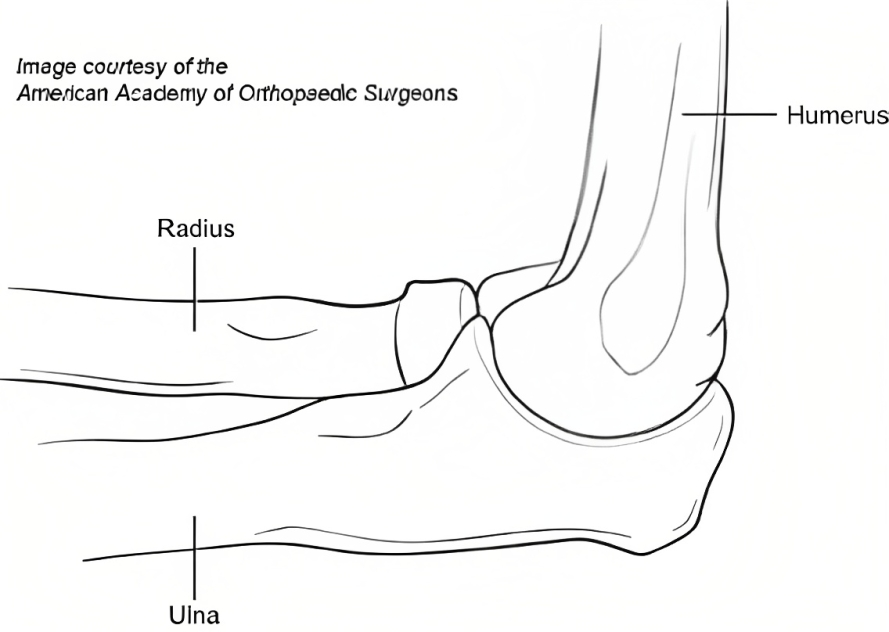
The elbow is a hinge joint that allows flexion and extension movements, much like a door hinge. It consists of three main bones: the humerus, radius, and ulna. These bones work together, forming a complex joint that facilitates the bending and straightening of the arm. Ligaments, tendons, and muscles further support and stabilize the joint.
The function of the Elbow Joint
The elbow joint plays a crucial role in numerous everyday activities, from simple tasks like lifting a glass to more complex movements like throwing a ball. When we bend our arm, the bicep muscles contract, causing the forearm to move closer to the upper arm. Conversely, when we straighten our arm, the triceps muscles activate, extending the forearm and returning it to its initial position.

Common Conditions and Injuries
Despite its durability, the elbow joint is susceptible to certain conditions and injuries. One prevalent condition is tennis elbow, which results from overuse or repetitive strain on the tendons surrounding the joint. Golfers elbow, a similar condition, affects the inner side of the elbow. Both conditions can cause pain, inflammation, and limited mobility.
Another common issue is elbow arthritis, which occurs when the protective cartilage in the joint wears away, leading to elbow type of joint pain, stiffness, and swelling. Bursitis, a condition characterized by inflammation of the bursae (fluid-filled sacs that reduce friction), can also affect the elbow and cause discomfort.
Treating Elbow Conditions
Fortunately, many elbow conditions can be effectively managed or treated. Rest, ice, compression, and elevation (RICE) therapy often provide relief for minor injuries. Physical therapy exercises can strengthen the muscles around the joint, promoting stability and reducing pain. In some cases, medications, such as nonsteroidal anti-inflammatory drugs (NSAIDs), may be prescribed to alleviate pain and inflammation.
For more severe cases or when conservative treatments fail, medical interventions may be necessary. These can range from corticosteroid injections to surgery, depending on the specific condition and its severity. It is essential to consult a healthcare professional for an accurate diagnosis and appropriate treatment plan.
Prevention and Maintenance
To maintain optimal elbow health, it is crucial to engage in preventive measures. Proper warm-up exercises and stretching before physical activity can help reduce the risk of injury. Using proper form and technique during sports and exercise can also minimize strain on the elbow joint. If you participate in activities that involve repetitive arm motions, taking regular breaks and varying your movements can help prevent overuse injuries.
The elbow type of joint is an incredible mechanism that enables us to perform a wide array of daily activities. Understanding its anatomy, function, and potential conditions can help us appreciate and take better care of this essential joint. By incorporating preventive measures and seeking timely treatment when necessary, we can ensure optimal elbow health and enjoy a pain-free range of motion in our daily lives.