

If you're looking to add a touch of elegance and visual interest to your space, herringbone tiles can be a fantastic choice. Their distinctive zigzag pattern brings a timeless appeal to any room. However, achieving a perfectly centred herringbone tile layout can be a bit tricky. In this comprehensive guide, we will walk you through the process of centring herringbone tiles, providing you with valuable tips and insights along the way.

Understanding Herringbone Tile Patterns
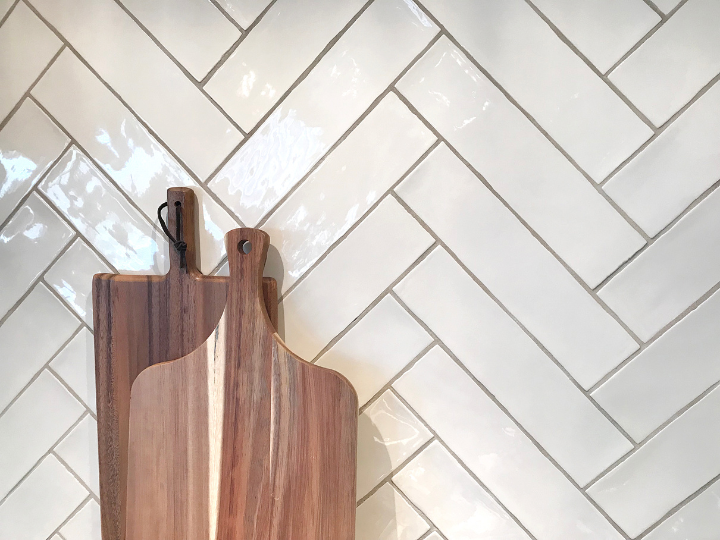
Before we delve into the process of centring herringbone tiles, let's first understand the basics of this classic pattern. Herringbone is a design where rectangular tiles are laid out in a zigzag formation, resembling the skeleton of a herring fish. The tiles are typically positioned at a 45-degree angle, creating a visually striking effect.
Tools and Materials You Will Need
To centre herringbone tiles effectively, gather the following tools and materials:
- Herringbone tiles of your choice
- Measuring tape
- Chalk or pencil
- Level
- Tile adhesive
- Notched trowel
- Tile spacers
- Grout
- Grout float
- Sponge
- Bucket of water
- Tile cutter (if needed)
Step 1: Preparing the Surface
Before you begin laying the tiles, ensure that the surface is clean, dry, and free of any debris. This will provide a smooth and even base for your herringbone tile installation. If necessary, use a scraper or sandpaper to remove any existing adhesive or bumps.
Step 2: Planning and Marking
To achieve a centred herringbone pattern, careful planning and precise measurements are crucial. Here's how to do it:
- Measure the width and height of the wall or floor area where you'll be installing the tiles.
- Divide the width and height measurements in half to find the centre point.
- Use chalk or pencil to mark the centre point at the top and bottom of the wall or floor. This will serve as your starting reference for the tile installation.
Step 3: Dry Fit the Tiles
Before applying adhesive, it's essential to dry-fit the tiles to ensure they align properly and create a centred pattern. Start by placing tiles along the marked centerline from the bottom up, staggering each row in a herringbone pattern. Make any necessary adjustments to achieve a visually balanced layout.
Step 4: Applying Adhesive and Installing Tiles
Once you're satisfied with the dry fit, it's time to begin the installation process:
- Using a notched trowel, apply tile adhesive to a small section of the wall or floor, starting from the centerline and working your way outward. Choose a high-quality adhesive suitable for your tile material.
- Hold the trowel at a 45-degree angle to create even ridges in the adhesive.
- Press the first tile firmly into place, aligning it with the centerline and making sure it sits securely in the adhesive. Use a level to check if it's perfectly straight.
- Continue applying adhesive and installing tiles row by row, following the herringbone pattern. Remember to use tile spacers to maintain even gaps between tiles for grouting.
- If needed, use a tile cutter to trim tiles to fit along the edges or around obstacles.
Step 5: Grouting the Tiles
After the adhesive has cured according to the manufacturer's instructions, it's time to grout the tiles:
- Mix the grout according to the manufacturer's guidelines, ensuring a smooth and consistent texture.
- Using a grout float, spread the grout diagonally across the tiles, working it into the gaps. Hold the float at a 45-degree angle to prevent pulling out the grout.
- Remove excess grout from the tile surface by holding the float almost flat and gently sweeping it diagonally across the tiles.
- Allow the grout to set for the recommended time, usually around 15-20 minutes.
- Wipe away the remaining haze on the tile surface using a slightly damp sponge. Rinse the sponge frequently in a bucket of water to keep it clean.
- Let the grout dry completely before walking on or using the tiled area, following the manufacturer's instructions.
Centring herringbone tiles can be a meticulous process, but with careful planning and attention to detail, you can achieve a stunning result. By following the step-by-step guide outlined in this article, you'll be able to create a visually balanced herringbone pattern that adds a touch of sophistication to your space.
Remember to measure accurately, plan the layout beforehand, and take your time during the installation process. With the right tools, materials, and patience, you'll transform your wall or floor into a focal point that captivates anyone who enters the room. Enjoy the process and revel in the beauty of your centred herringbone tile masterpiece!
Initial Tiles & Bathware
Add: 2/26 sterling rd, Minchinbury
Email: initialtiles@gmail.com