Introduction
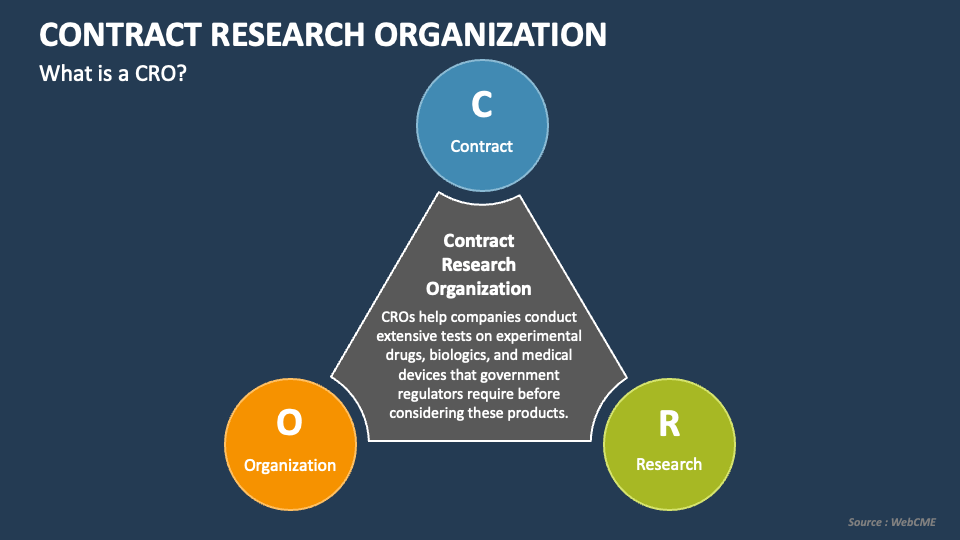
In the realm of pharmaceutical research and drug development, clinical trials are a crucial step to ensuring the safety and efficacy of new medical treatments. However, conducting clinical trials is an intricate and resource-intensive process that demands meticulous monitoring and management. As pharmaceutical companies and biotech startups seek to focus on their core competencies, they often turn to Contract Research Organizations (CROs) to outsource various aspects of their clinical trials, including monitoring.
Outsourcing clinical trial monitoring to CROs offers numerous benefits, such as cost-efficiency, access to specialized expertise, and improved trial performance. Nevertheless, this approach is not without its challenges. In this blog, we will explore the common hurdles faced when outsourcing clinical trial monitoring to CROs and discuss the solutions to overcome them.
Challenges in Outsourcing Clinical Trial Monitoring
Communication and Collaboration: Effective communication and seamless collaboration between the sponsor and the CRO are fundamental to the success of clinical trials. Miscommunication or lack of coordination can lead to delays, data discrepancies, and compromised trial quality.
Data Quality and Integrity: Ensuring the integrity and accuracy of clinical trial data is paramount. When data is managed by multiple parties, maintaining data consistency and quality can become a challenge.
Regulatory Compliance: Clinical trials are heavily regulated by various international and local regulatory bodies. Compliance with these stringent regulations is a critical challenge when outsourcing monitoring activities to a CRO.
Risk Management: Identifying and mitigating potential risks during clinical trials is essential for maintaining participant safety and data reliability. Effective risk management requires a proactive approach and collaboration between the sponsor and the CRO.
Training and Standardization: Monitoring personnel must adhere to standardized procedures and protocols to maintain consistency across multiple trial sites. Proper training and oversight become challenging when the CRO operates in diverse geographical locations.
Technology Integration: The effective integration of technology platforms and data management systems is vital for streamlining monitoring activities. Compatibility issues between the sponsor and CRO's systems can hinder seamless data exchange.
Solutions to Overcome the Challenges
Comprehensive Communication Plans: Developing detailed communication plans that outline roles, responsibilities, and frequency of updates is crucial. Regular meetings, virtual conferences, and real-time communication channels can enhance collaboration and ensure everyone stays informed about trial progress.
Centralized Data Management: Implementing a centralized data management system allows both the sponsor and the CRO to access, review, and analyze trial data in real-time. Utilizing Electronic Data Capture (EDC) systems with robust quality control mechanisms can enhance data integrity.
Adherence to Regulatory Guidelines: The sponsor and the CRO must work closely to ensure compliance with all relevant regulations and guidelines. Establishing standard operating procedures (SOPs) that align with regulatory requirements can facilitate a smoother process.
Risk-Based Monitoring Approach: Adopting a risk-based monitoring (RBM) approach can help focus resources on critical aspects of the trial. By identifying high-risk areas, the CRO can proactively address potential issues and allocate monitoring efforts accordingly.
Training and Certification Programs: The CRO should invest in comprehensive training and certification programs for their monitoring personnel. This ensures that the monitors are well-versed in the study protocol, procedures, and regulatory requirements.
Technology Integration and Interoperability: Before commencing the trial, the sponsor and CRO must ensure that their respective systems can seamlessly integrate with each other. Regular IT meetings and compatibility tests can address any technological challenges.
Conclusion
Outsourcing clinical trial monitoring to Contract Research Organizations has become a strategic choice for many pharmaceutical companies and biotech startups. While this approach offers numerous advantages, it also comes with its fair share of challenges. By understanding and addressing these challenges proactively, sponsors can establish successful partnerships with CROs, leading to more efficient and successful clinical trials. Effective communication, centralized data management, adherence to regulatory guidelines, and a risk-based monitoring approach are some of the key solutions to overcome these hurdles.