When it comes to basement insulation, selecting the right R-value is crucial for optimizing energy efficiency and ensuring a comfortable living environment. In Ontario, where extreme temperatures can be a challenge, proper insulation becomes even more important.
This article will guide you through the process of choosing the ideal R-value for basement insulation, taking into account factors specific to Ontario homes. We'll also touch on the benefits of using spray foam insulation in Toronto, a popular option for basement insulation.
Understanding R-Value
R-value is a measure of insulation's resistance to heat flow. It determines the effectiveness of insulation material in reducing heat transfer. The higher the R-value, the better the insulation performance. R-value is calculated based on factors such as material type, thickness, and density.
Factors Influencing R-Value Selection
· Climate considerations: Ontario experiences both cold winters and hot summers. It's important to choose an R-value that suits the specific climate zone where your home is located. The recommended R-values may vary between regions.
· Building codes and regulations: Familiarize yourself with the building codes and regulations in Ontario, as they may specify minimum R-values for basement insulation. Adhering to these requirements ensures compliance and energy efficiency.
· Energy efficiency goals: Consider your energy-saving objectives when selecting the R-value. Higher R-values provide better insulation performance but may come at a higher cost. Weigh the potential long-term energy savings against the upfront investment.
Assessing the Current R-Value
To make an informed decision, it's crucial to assess the existing R-value of your basement insulation. Work with a professional to determine the current insulation's effectiveness and identify areas for improvement.
Determining the Right R-Value
· Consult climate zone recommendations: Ontario has multiple climate zones, each with its own recommended R-values for basement insulation. Refer to a table or chart that outlines the appropriate R-values based on your region.
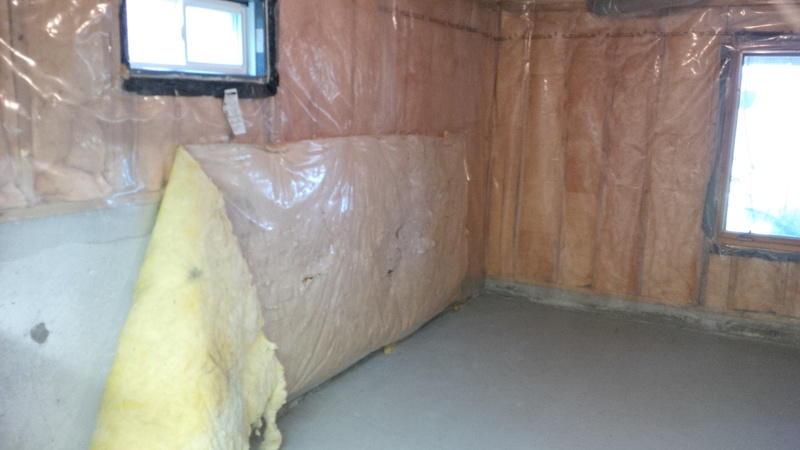
· Insulation type and thickness: Different insulation materials have varying R-values. Consider the pros and cons of options such as fiberglass, cellulose, and spray foam insulation. Additionally, the thickness of the insulation affects its R-value. Thicker insulation typically provides higher R-values.
Consulting Professionals
It's advisable to consult insulation professionals for a comprehensive assessment and personalized recommendations. They have the expertise to evaluate your specific needs, consider other factors like moisture control and air sealing, and suggest the most suitable R-value for your basement insulation.
Additional Considerations
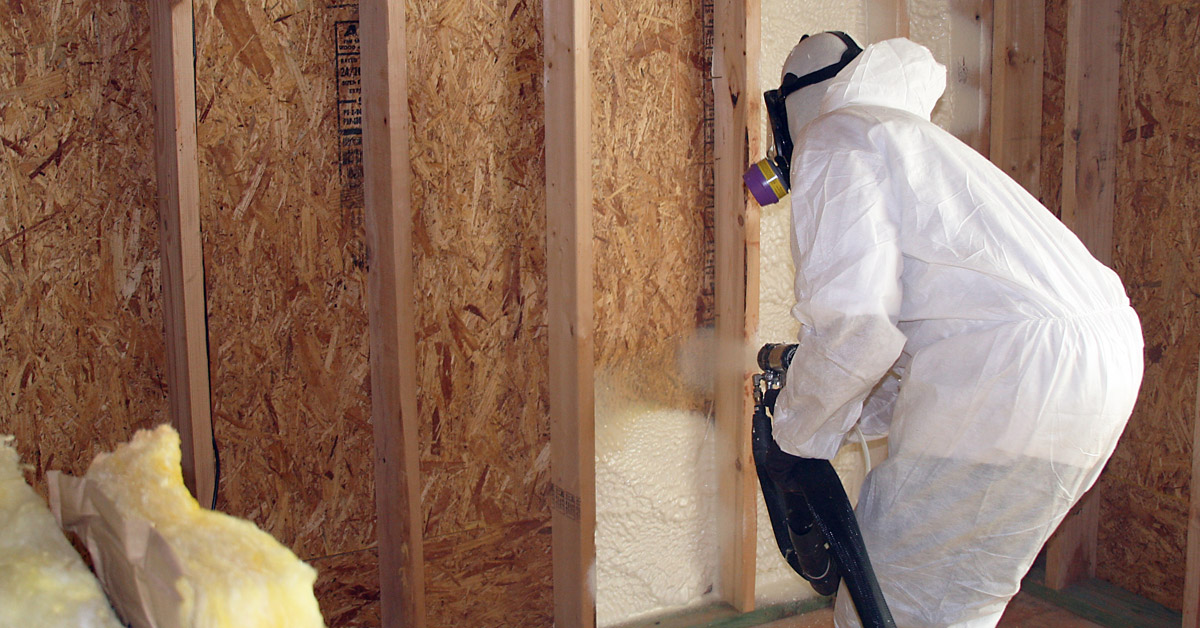
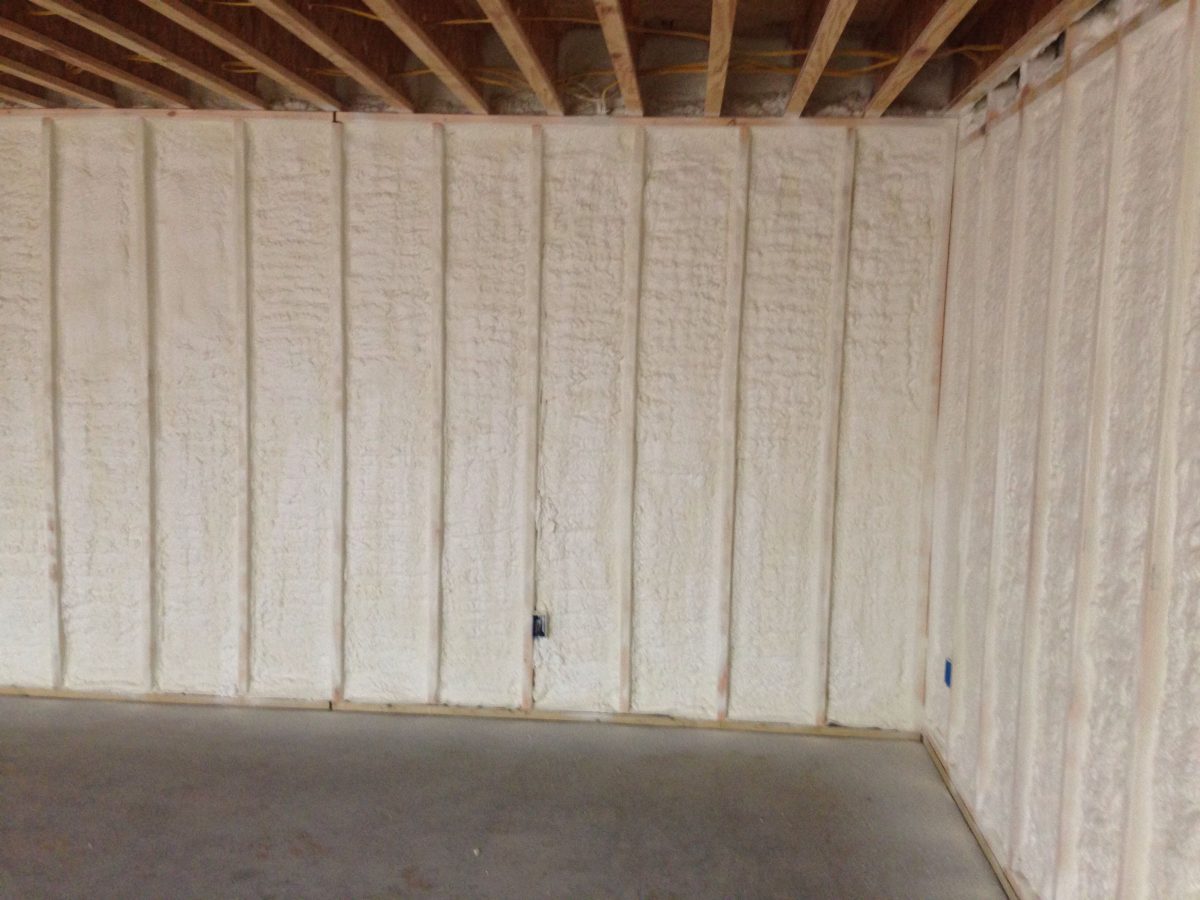
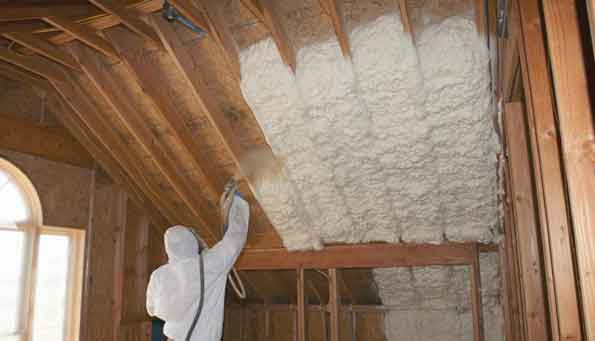
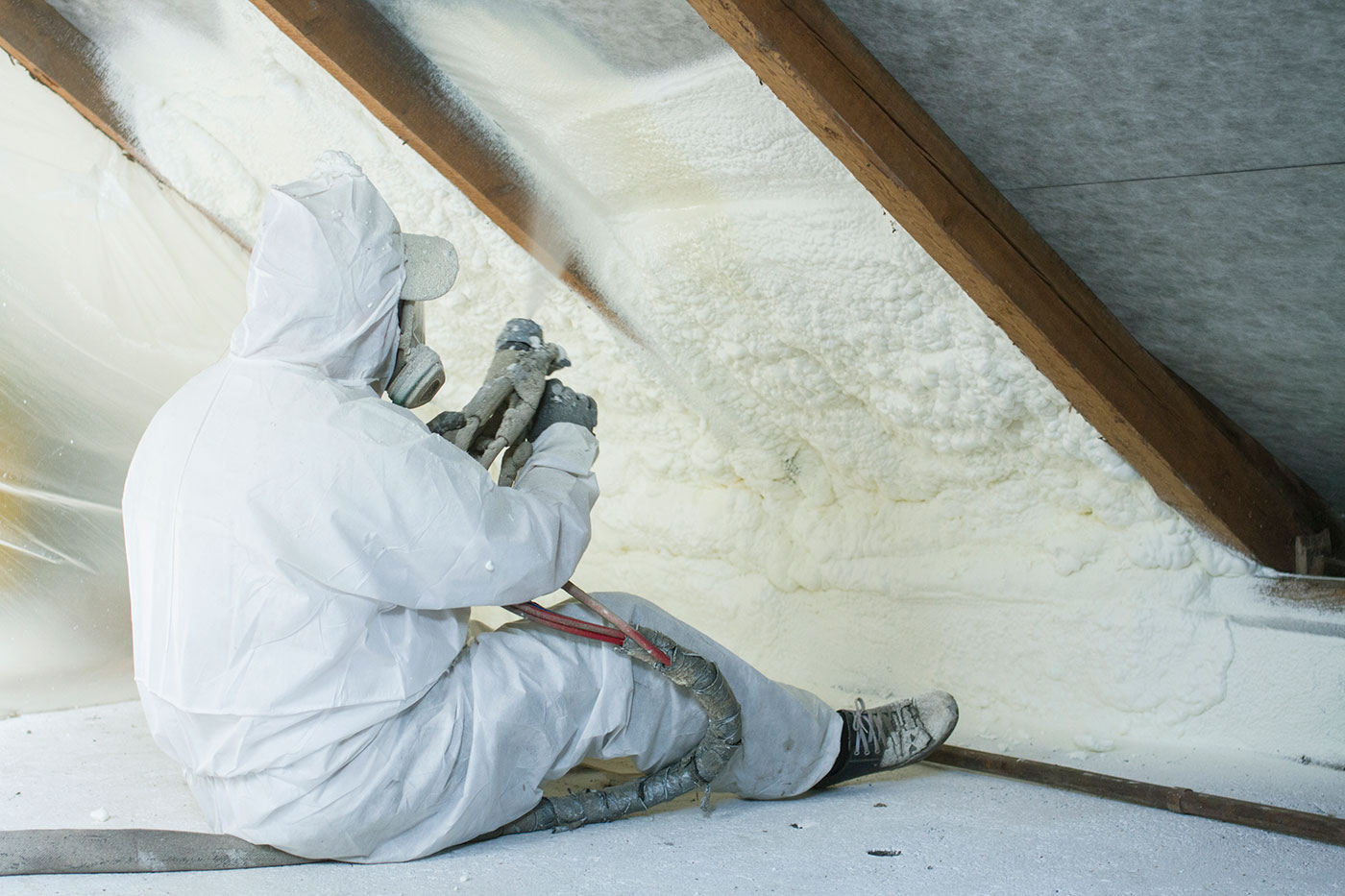
Proper installation is key to maximizing insulation effectiveness. Ensure that the insulation is correctly installed, without gaps or compression, to prevent air leakage and maintain the desired R-value. Additionally, consider using spray foam insulation for basement insulation in Toronto. Spray foam provides an airtight se al, superior insulation performance, and moisture resistance, making it an excellent choice for basement environments.
Final Thoughts:
Choosing the right R-value for Ontario basement insulation is vital for energy efficiency and comfort. In Ontario, where climate extremes are common, it's essential to consider regional recommendations, building codes, and energy-saving goals.
Don't forget to explore the benefits of spray foam insulation in Toronto, as it offers excellent insulation properties for basements. With the right R-value and insulation type, you'll enjoy enhanced energy efficiency, reduced utility bills, and increased comfort in your Ontario home. Connect with Toronto Spray Foam Kings for complete peace of mind.