Biofilms are complex communities of microorganisms that form on various surfaces, including medical devices, industrial equipment, and even inside the human body. They are known for their resilience and ability to resist antibiotics, making them a significant challenge in healthcare and other industries. However, there is a promising weapon in the fight against biofilms: nisin. Nisin, a natural antimicrobial peptide, has demonstrated remarkable efficacy in inhibiting biofilm formation and eradicating existing biofilms. This article explores the potential of nisin as a powerful tool against biofilms.
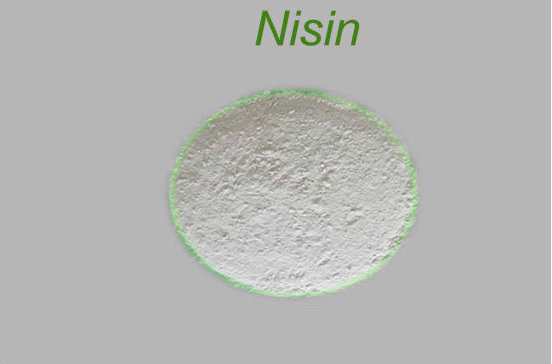
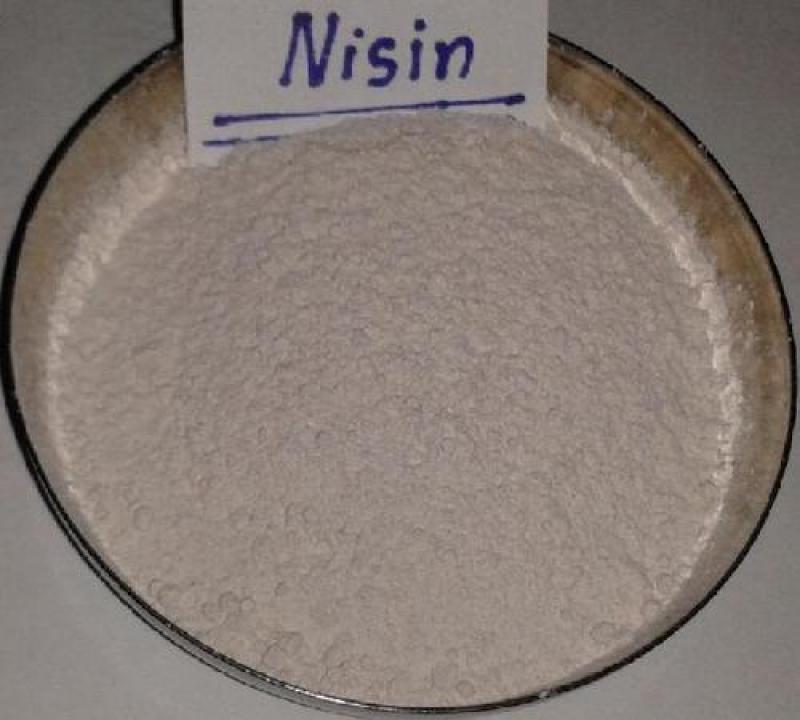
Nisin is a peptide produced by the bacterium Lactococcus lactis. It belongs to the class of lantibiotics, which are antimicrobial peptides with a unique structure and mode of action. Nisin acts by disrupting the integrity of bacterial cell membranes, leading to cell death. It has a broad spectrum of activity against various Gram-positive bacteria, including many notorious biofilm formers.
Biofilms thrive through the formation of protective matrices and the development of resistant bacterial colonies. Nisin has demonstrated its ability to inhibit biofilm formation by preventing bacterial adhesion to surfaces and interfering with the production of biofilm matrix components. Additionally, nisin can penetrate mature biofilms, targeting and killing bacterial cells within the biofilm structure.
Nisin possesses several advantages that make it a promising weapon against biofilms. Firstly, it is derived from a natural source, which enhances its safety profile compared to synthetic antimicrobial agents. Secondly, nisin has been extensively studied and approved for use in food preservation, indicating its compatibility with human consumption. Thirdly, its mechanism of action is distinct from conventional antibiotics, reducing the likelihood of resistance development.
The potential applications of nisin against biofilms are vast. In healthcare settings, nisin can be incorporated into medical devices to prevent biofilm formation, reducing the risk of device-associated infections. It can also be utilized as a topical agent to treat chronic wounds or used in oral care products to combat dental biofilms. Moreover, nisin holds promise in the food and beverage industry to prevent spoilage caused by biofilm-forming bacteria.
Nisin presents a promising alternative in the battle against biofilms. Its ability to inhibit biofilm formation and disrupt mature biofilms makes it a versatile tool across various industries. Further research and development are needed to optimize its use, including exploring combination therapies and delivery systems. With continued exploration, nisin has the potential to revolutionize biofilm control and improve outcomes in healthcare, food safety, and beyond.