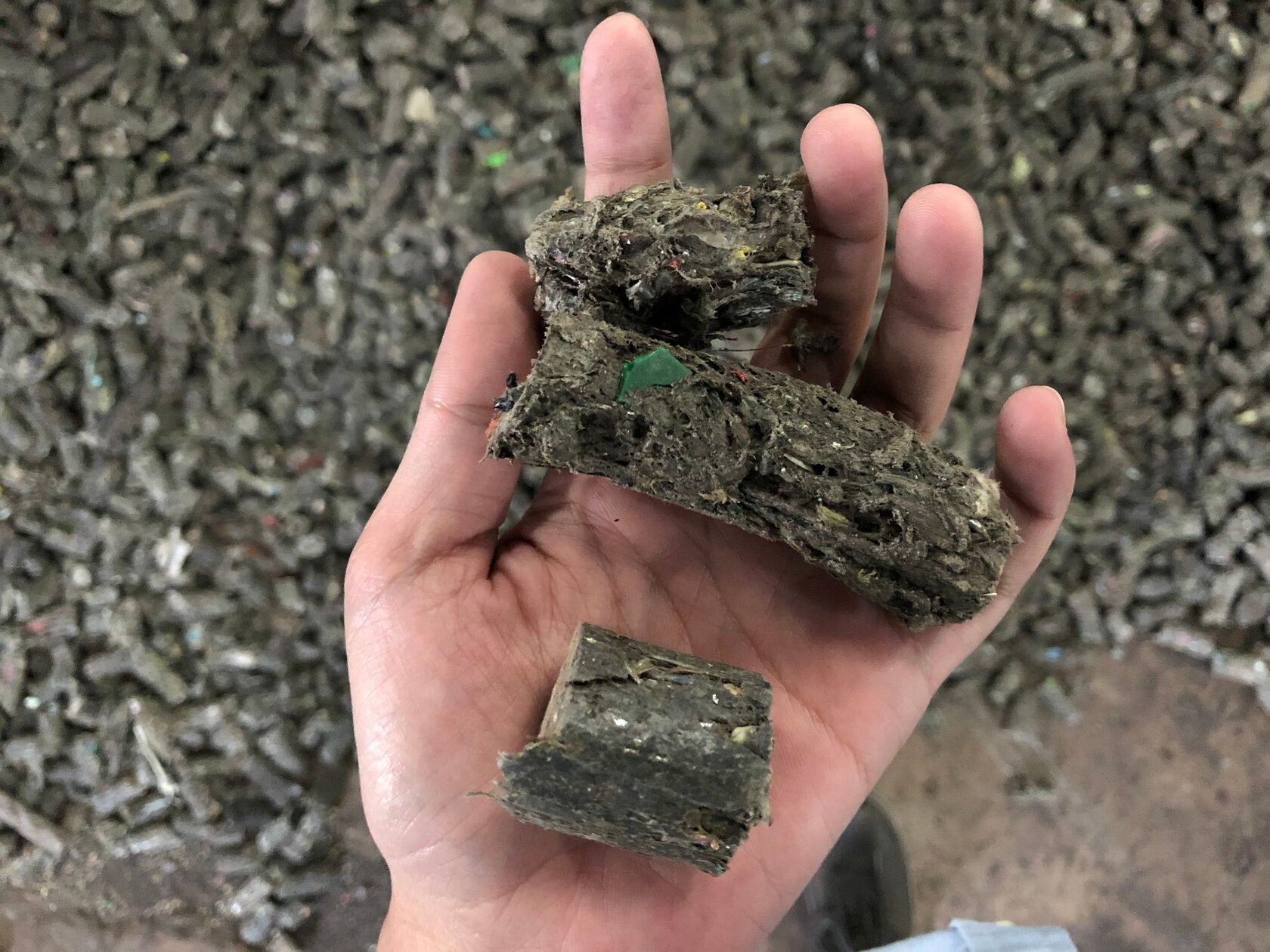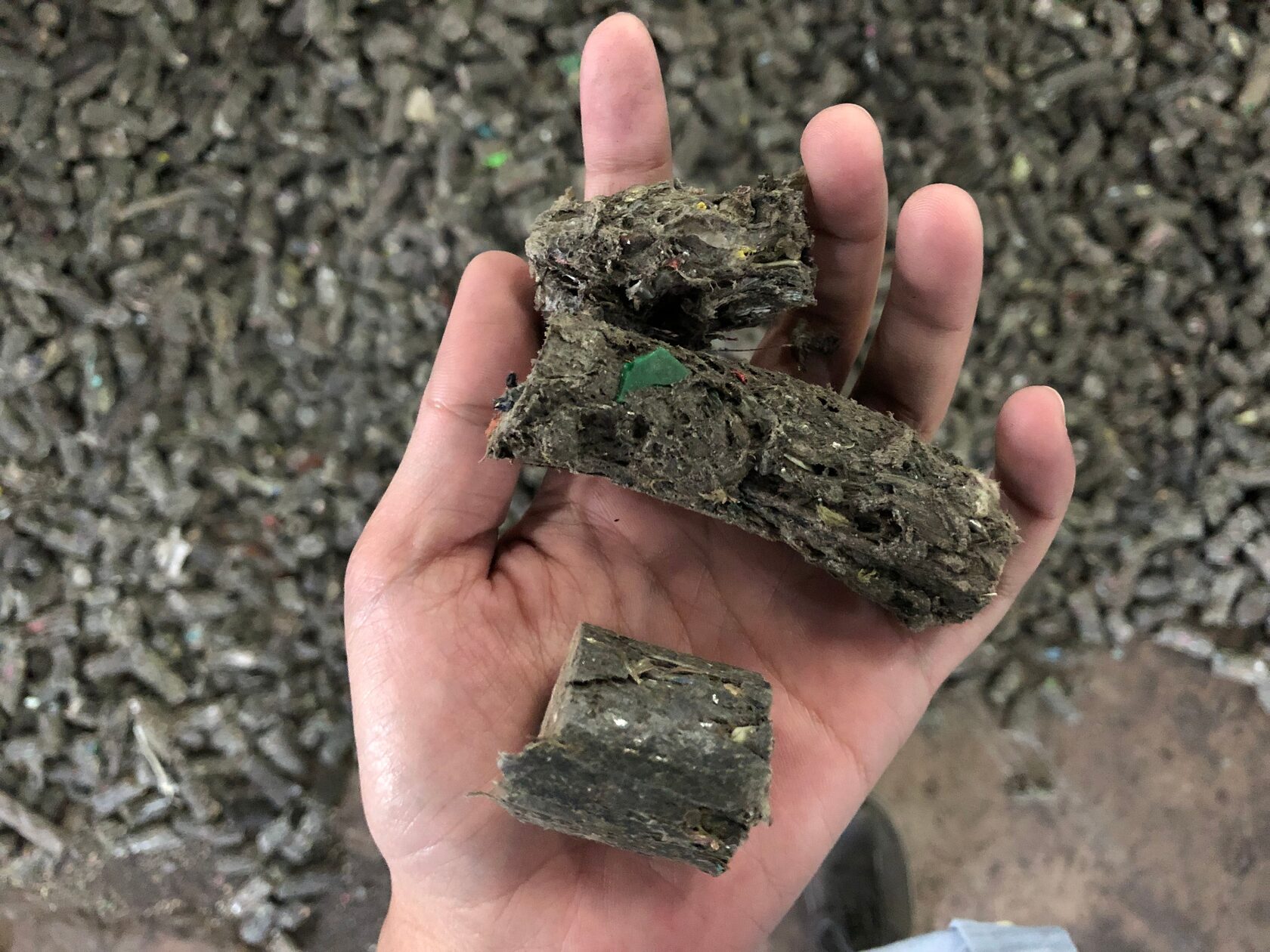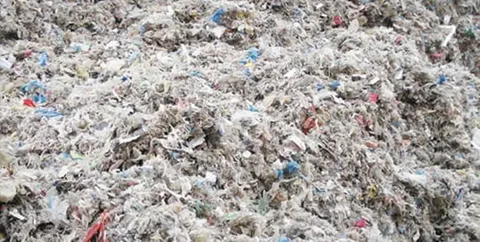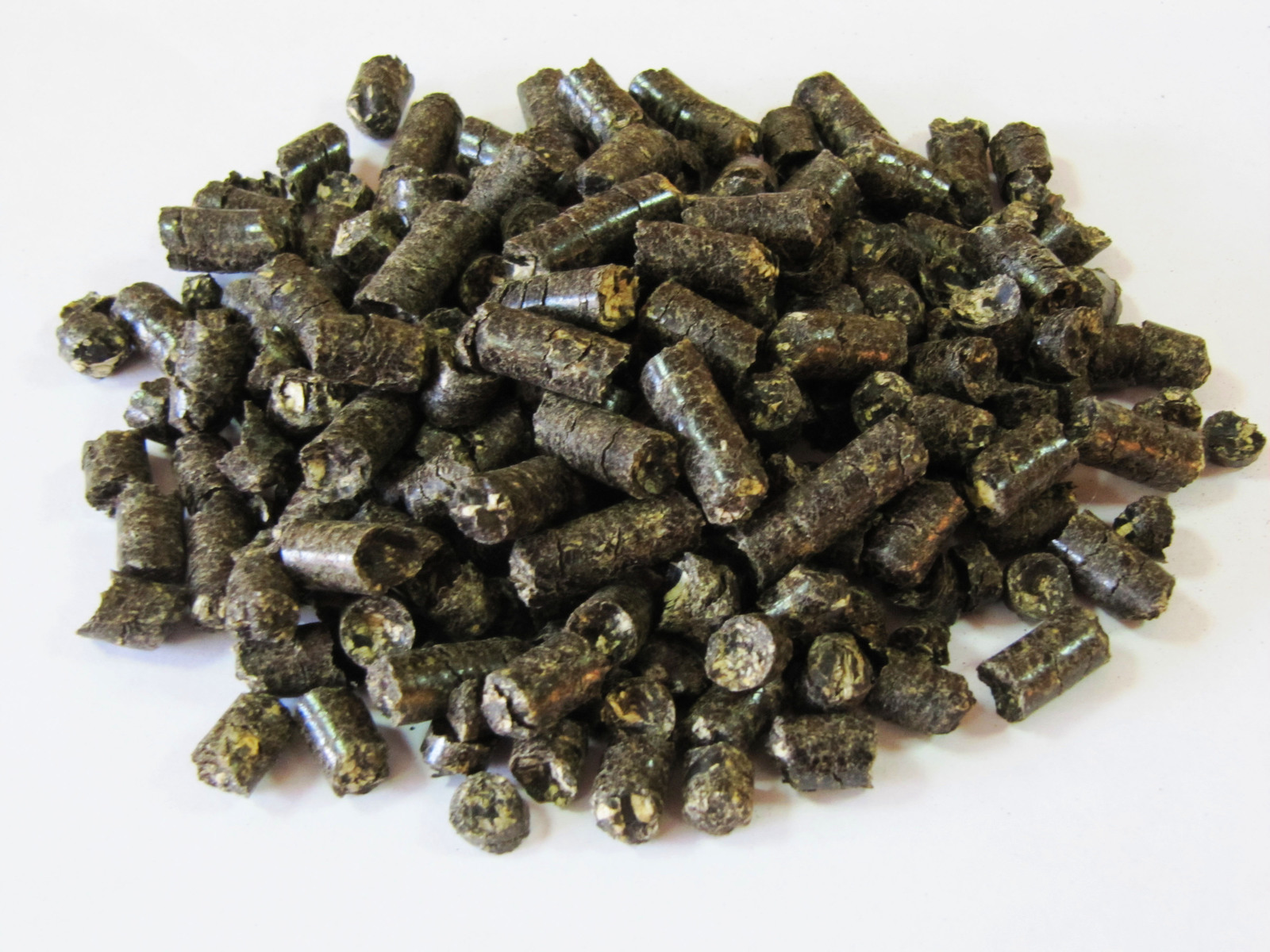
Refuse-Derived Fuel (RDF) is an innovative waste management solution that has gained traction in recent years due to its environmental and economic benefits. RDF is produced by processing municipal solid waste (MSW) through various mechanical and biological methods to extract valuable materials and create a fuel with high energy content.
The RDF production process starts with segregating recyclable materials such as plastics, metals, and paper from non-recyclable waste. The remaining organic and non-recyclable fraction undergoes treatment to remove moisture and other impurities. The final product is a homogenous fuel that can be used in waste-to-energy facilities, cement kilns, and industrial boilers.
The key advantages of RDF include:
Reduction of landfill waste: RDF production diverts a significant amount of waste from landfills, reducing the environmental impact of waste disposal. This decreases the emission of methane, a potent greenhouse gas, and minimizes the need for new landfill sites.
Renewable energy generation: When RDF is combusted in waste-to-energy plants, it produces electricity and heat, contributing to the generation of renewable energy. This reduces dependence on fossil fuels and lowers greenhouse gas emissions.
Resource conservation: RDF production involves the extraction of valuable materials from the waste stream before generating the fuel. This promotes recycling and resource conservation, creating a more circular and sustainable economy.
Emission control: Modern Refuse-derived Fuel Market facilities are equipped with advanced emission control technologies, ensuring that the combustion process is environmentally friendly and complies with stringent regulations.
Economic benefits: RDF production can lead to cost savings in waste management, as it reduces the volume of waste sent to landfills and offsets the need for expensive fossil fuels in energy generation.
As nations strive for more sustainable waste management practices, Refuse-Derived Fuel offers a promising solution that aligns with environmental protection and renewable energy goals.