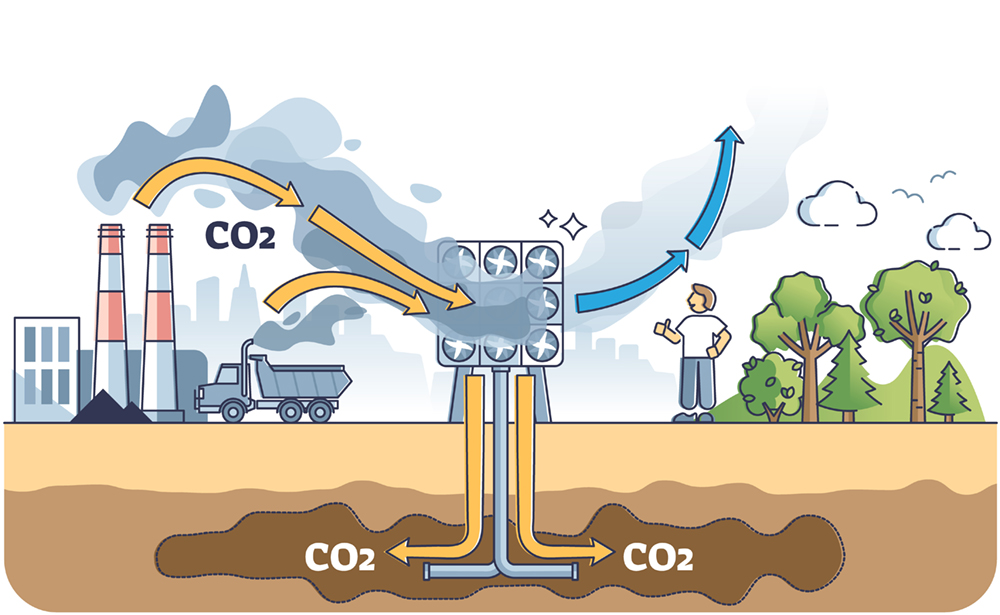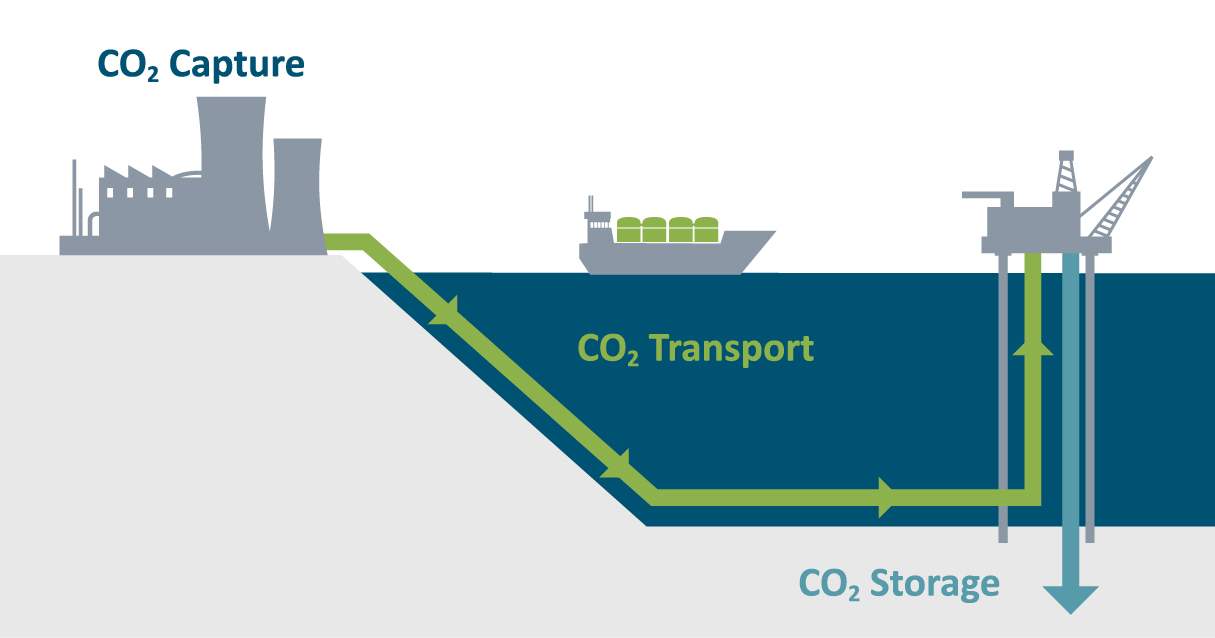
Emission trading, often referred to as carbon trading, has emerged as a vital instrument in the global fight against climate change. The Carbon Capture and Storage (CCS) market plays a pivotal role in emission trading by enabling businesses and industries to offset their carbon dioxide emissions effectively.
Understanding Emission Trading:
Emission trading is a market-based approach to reduce greenhouse gas emissions. It operates under a cap-and-trade system, where governments set a cap on total allowable emissions for certain industries or sectors. Emission allowances are distributed, each representing a specific amount of carbon dioxide emissions. Companies that emit more than their allotted allowances must purchase additional permits from those that have surplus allowances.
Carbon Capture and Storage's Role in Emission Trading:
CCS technologies are instrumental in emission trading for several reasons:
- Emission Offset: CCS allows industries to capture and store carbon dioxide emissions, effectively reducing their net emissions. Companies implementing CCS can generate carbon credits by storing more carbon than their emissions, which can be sold in the carbon capture and storage market to offset emissions of other businesses.
- Monetizing Carbon Capture: Businesses that invest in CCS projects can sell the carbon dioxide they capture to industries seeking to offset their emissions. This creates an economic incentive for companies to implement CCS technologies and invest in sustainable practices.
- Carbon Negative Solutions: Advanced CCS methods, like direct air capture, have the potential to create carbon-negative solutions. By removing more carbon dioxide from the atmosphere than they emit, these projects can generate additional carbon credits, further contributing to emission trading.
- Facilitating Compliance: Emission trading systems often set strict regulations and caps on allowable emissions. CCS provides a viable pathway for industries to comply with these regulations while continuing their operations.
Challenges and Opportunities:
While the connection between the carbon market and CCS is promising, there are challenges to overcome:
- Cost and Funding: Implementing CCS technologies can be capital-intensive. Governments and private investors must collaborate to provide funding and financial incentives to accelerate the adoption of CCS.
- Carbon Pricing Consistency: Establishing a consistent and stable carbon pricing framework is essential for fostering a robust carbon market. Governments need to ensure that carbon prices accurately reflect the environmental costs of emissions.
- Public Awareness: Raising public awareness about the benefits of CCS and emission trading is vital for gaining public support and encouraging governments to promote such initiatives.
The global carbon verification market size was valued at US$ 12.73 billion in 2023 and is expected to reach US$ 64.16 billion by 2030, grow at a compound annual growth rate (CAGR) of 26% from 2023 to 2030.
The carbon market connection highlights the pivotal role of CCS in emission trading. By providing a viable pathway to offset emissions and creating economic incentives for sustainable practices, CCS technologies play a significant role in combatting climate change. Governments, industries, and stakeholders must work together to overcome challenges and seize opportunities in emission trading to accelerate the transition to a low-carbon future.