Regular dental check-ups and cleanings are vital for maintaining good oral health, but sometimes, more intensive care is needed to address certain dental issues. A deep dental cleaning, also known as scaling and root planing, is a thorough procedure that goes beyond routine cleaning. In this blog post, we'll take you through what happens during a deep dental cleaning and why it's essential for your oral health.
Understanding the Need for a Deep Dental Cleaning
Dental deep cleaning is typically recommended when there is evidence of gum disease or periodontal problems. Gum disease occurs when plaque and tartar build-up along the gumline and below it, leading to inflammation and potential infection. The bacteria in plaque release toxins that irritate the gums, causing them to become swollen, tender, and more prone to bleeding. If left untreated, gum disease can progress, causing gum recession, bone loss, and even tooth loss.
During a routine dental check-up, your dentist or dental hygienist will measure the depth of the pockets between your teeth and gums. Healthy pockets are shallow, usually around 1-3 millimeters in depth. If the pockets are deeper than this, it indicates that plaque and tartar have accumulated below the gum line, and deep dental cleaning is necessary to remove these deposits and promote gum healing.
Step-by-Step Guide to a Deep Dental Cleaning
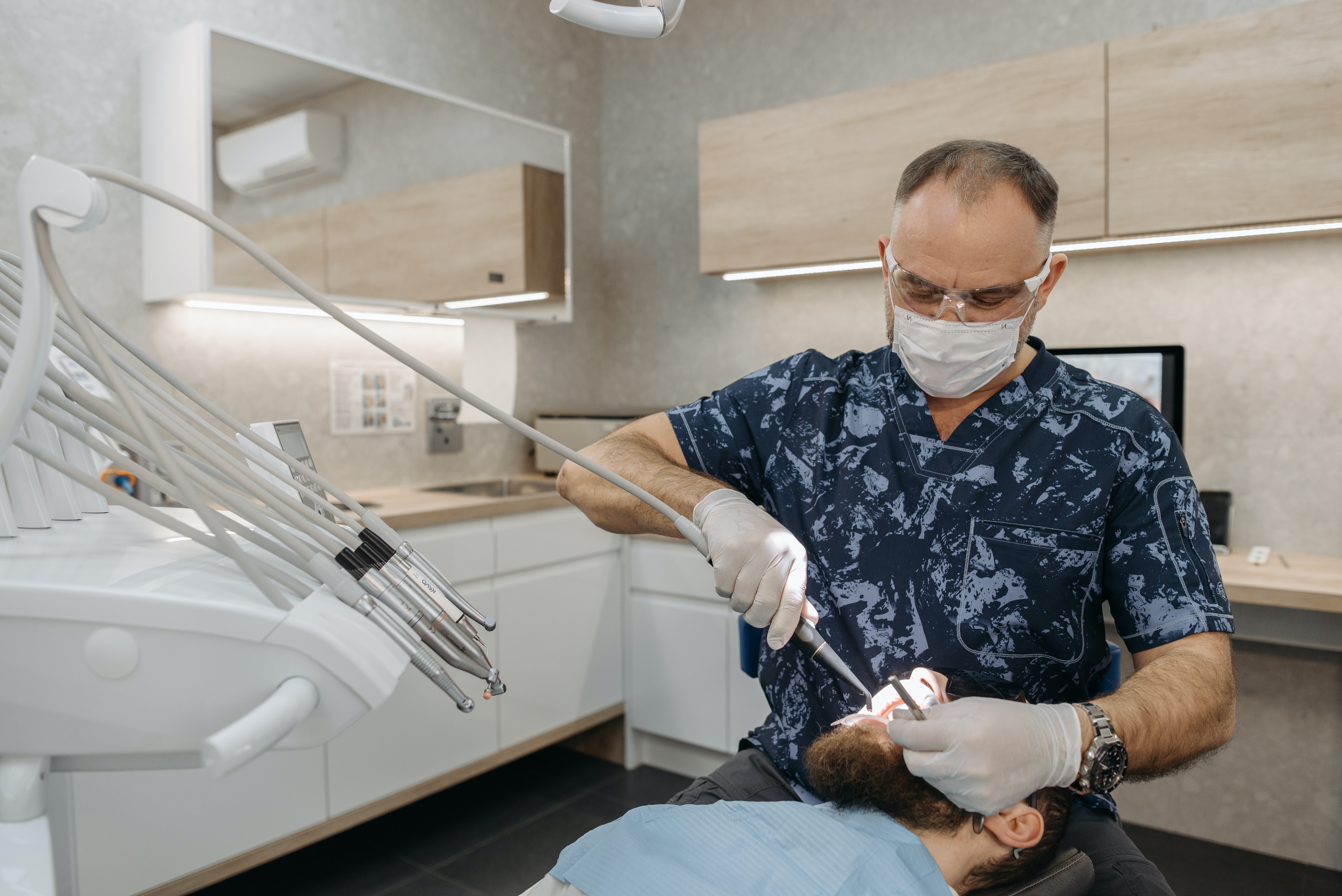
- Assessment and Examination: The first step of deep dental cleaning is a comprehensive examination of your oral health. Your dentist or dental hygienist will examine your teeth, gums, and overall oral cavity to assess the extent of the plaque and tartar buildup and determine the severity of any gum disease.
- Local Anesthesia (Optional): Depending on the depth of the pockets and your sensitivity, your dentist may administer a local anesthetic to numb the area being treated. This ensures that you feel comfortable and relaxed during the procedure.
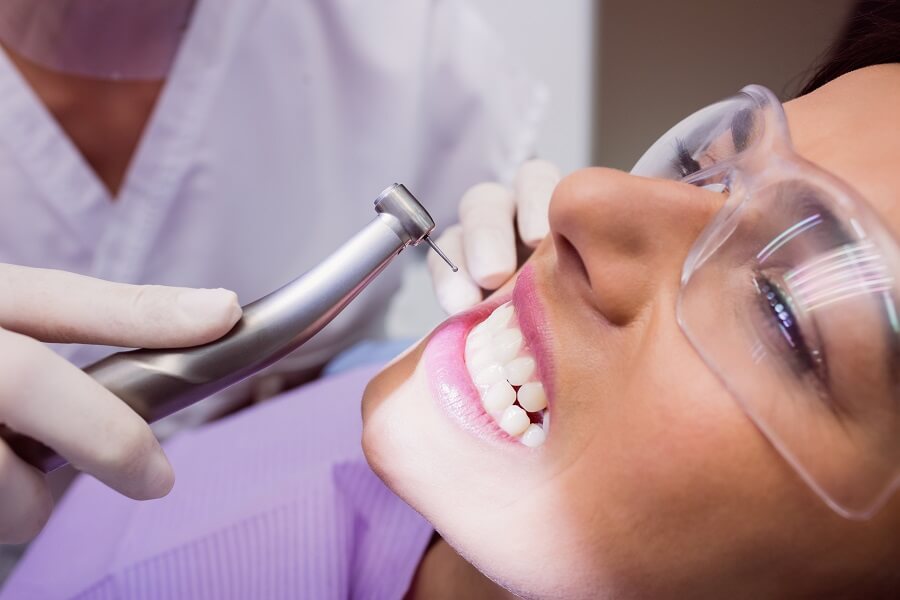
- Scaling: The deep dental cleaning begins with scaling, which is the process of removing plaque and tartar from the tooth surfaces and below the gum line. Special dental tools called scalers and curettes are used to carefully and gently remove these deposits. Scaling is essential to eliminate the bacteria that cause gum disease and to prevent its progression.
- Root Planing: After scaling, the next step is root planning. This process involves smoothing out the rough surfaces of the tooth roots. Smoothing the roots helps to remove any remaining bacteria and plaque and allows the gums to reattach more securely to the tooth, preventing further accumulation of harmful substances.
- Antibacterial Rinse: Following the scaling and root planing, your dentist may use an antibacterial rinse to irrigate the treated areas. This rinse helps to further eliminate any remaining bacteria and reduces the risk of infection.
- Follow-Up and Maintenance: Once the deep dental cleaning is complete, your dentist may schedule a follow-up appointment to monitor your healing progress. They will also provide instructions on how to care for your teeth and gums at home and may recommend more frequent dental cleanings to maintain your oral health.
Benefits of a Deep Dental Cleaning
- Gum Disease Prevention: A deep dental cleaning is an effective way to prevent gum disease or halt its progression. By removing plaque and tartar from below the gumline, it helps to reduce inflammation and allows the gums to heal.
- Improved Oral Health: Deep dental cleanings contribute to better overall oral health. When your gu are healthy, they provide a strong foundation for your teeth, reducing the risk of tooth loss.
- Fresh Breath: Eliminating the bacteria that cause gum disease can lead to fresher breath, as chronic bad breath is often linked to oral infections.
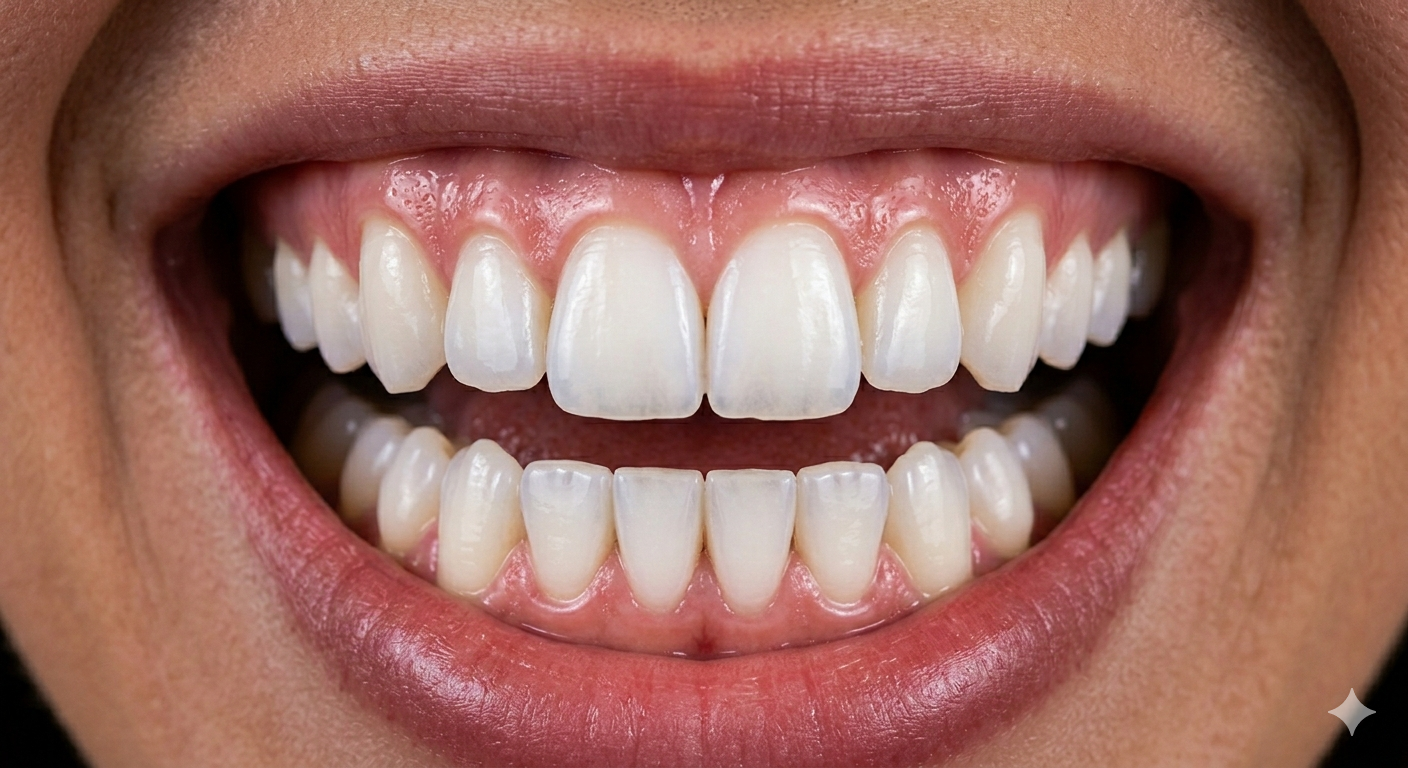
- Enhanced Aesthetics: Deep dental cleanings can also have aesthetic benefits. Removing stubborn stains and tartar buildup can improve the appearance of your teeth, making them look whiter and brighter.
Dental deep cleaning is a crucial procedure for maintaining optimal oral health, especially if you have signs of gum disease or excessive plaque and tartar buildup. By carefully removing these harmful deposits from below the gum line, a deep dental cleaning helps prevent gum disease, promote gum healing, and support the long-term health of your teeth. Regular dental check-ups and cleanings, along with excellent oral hygiene practices at home, will complement the effects of dental deep cleaning, ensuring you enjoy a healthy and beautiful smile for years to come. Remember, a healthy mouth is essential for your overall well-being.