


Mastering Display with Arduino: Unveiling the Power of Arduino Display Screens and Arduino-Compatible Shields
Welcome, robot builders! In the realm of Arduino, one of the most exciting avenues to explore is the captivating world of display screens. Today, we delve into the wonders of Arduino shield compatibility and the immense power hidden within Arduino display screens and Arduino-compatible shields. Prepare to unlock extraordinary possibilities and revolutionize your robotic creations!
Arduino Shield Compatibility
Before we embark on this transformative journey, it is essential to first understand the concept of Arduino shield compatibility. Arduino shields are add-on modules that expand the capabilities of your Arduino board. Shield compatibility refers to the ability of different shields to seamlessly integrate with Arduino boards, without conflict or operational issues.
From touchscreens to keypads, GPS modules to wireless communication, Arduino shields offer an extensive range of functionalities. Certain shields are specifically designed to enhance display capabilities, providing an arsenal of tools for crafting remarkable robotic projects. Achieving compatibility is crucial to harness these functionalities effectively.
To ensure Arduino shield compatibility, it is essential to understand the pin allocation and potential conflicts that may arise. Arduino boards typically have specific pins dedicated to various functions. Shields should be selected accordingly, considering the required functionalities and pin allocation to prevent conflicts and ensure smooth operation.
Power of Arduino Display
The power of Arduino display screens cannot be understated. These screens offer the ability to visualize data, interact with users, and provide real-time feedback. From basic LCD screens to vibrant touchscreens, the possibilities are endless.
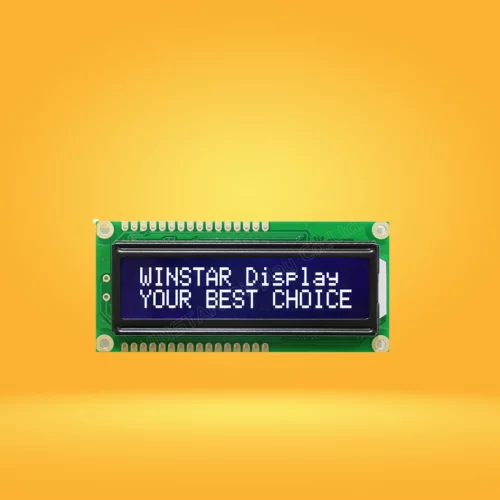
1. Basic LCD Screens: Basic LCD screens provide a simple yet powerful means of displaying information. They are cost-effective, easy to implement, and ideal for showcasing alphanumeric data, sensor readings, or even debugging information during prototyping stages. With a wide array of libraries available, you can effortlessly integrate LCD screens into your Arduino projects.
2. Graphic LCD Screens: For those seeking more advanced visual capabilities, graphic LCD screens present an excellent option. These screens offer the ability to display images, custom graphics, and complex user interfaces. Graphics libraries such as Adafruit GFX provide an extensive range of tools for crafting captivating visual experiences.
3. Touchscreens: By integrating touchscreens, you can unlock a new realm of interaction with your robotic creations. Touchscreens enable users to input commands directly onto the display, opening up limitless possibilities for user-friendly interfaces. With libraries like Adafruit TFTLCD or UTFT, implementing touchscreens becomes easily manageable.
Arduino-Compatible Shields for Display
Now that we understand the power of Arduino display screens, let us explore some notable Arduino-compatible shields that expand these capabilities even further:
1. Adafruit TFT Shields: Adafruit offers a range of TFT shields featuring vivid displays with touch capabilities. These shields come in different sizes and resolutions, allowing you to select the optimal screen for your project. Additionally, Adafruit provides comprehensive libraries, making integration a breeze.
2. DFRobot LCD Shields: DFRobot LCD shields provide an excellent platform for displaying essential information in a compact form. These shields offer a variety of display options, including character LCDs and graphic LCDs. DFRobot ensures seamless compatibility with Arduino boards through their dedicated libraries.
3. ElecFreaks OLED Shields: ElecFreaks OLED shields bring a touch of elegance to your projects with their sleek OLED displays. With their low power consumption and high contrast ratios, these shields are perfect for applications demanding visually striking visuals in constrained environments. ElecFreaks provides user-friendly libraries, enabling swift integration into Arduino projects.
4. SparkFun RGB Matrix Shields: For those craving massive displays, SparkFun's RGB Matrix shields are an ideal choice. These shields enable you to create large-scale displays using an array of individual LEDs. With libraries like Adafruit RGBmatrixPanel, you can control each LED precisely and create mesmerizing visual effects.
The compatibility of these shields with Arduino boards ensures a seamless experience while boosting your project's display capabilities exponentially.
Summary:
Arduino shield compatibility and the power of Arduino display screens open a new world of creative possibilities for robot builders. By understanding shield compatibility, you ensure smooth integration of various shields into your projects. Arduino display screens, such as basic LCD screens, graphic LCD screens, and touchscreens, offer compelling ways to visualize data and interact with users. Arduino-compatible shields, including Adafruit TFT Shields, DFRobot LCD Shields, ElecFreaks OLED Shields, and SparkFun RGB Matrix Shields, serve as catalysts for expanding these display capabilities. With this newfound knowledge, you are equipped to embark on an exciting journey of mastering display with Arduino and elevate your robotic creations to unprecedented heights!

Young and aspiring coders, are you interested in improving your tech and electronics skills?
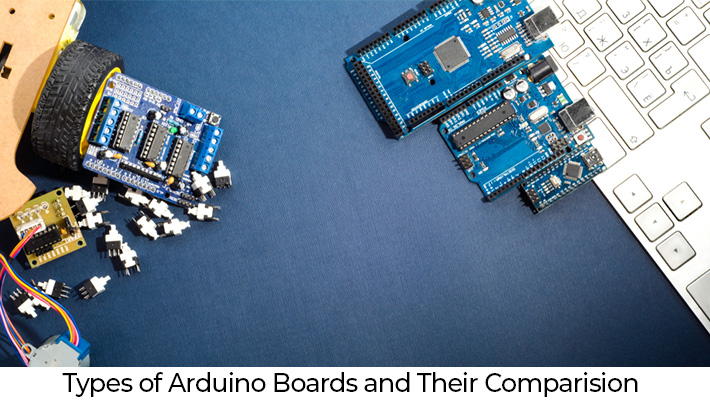
Then the best place to start is with Arduino compatible kits and starter kits.
How can they help improve your coding skills?
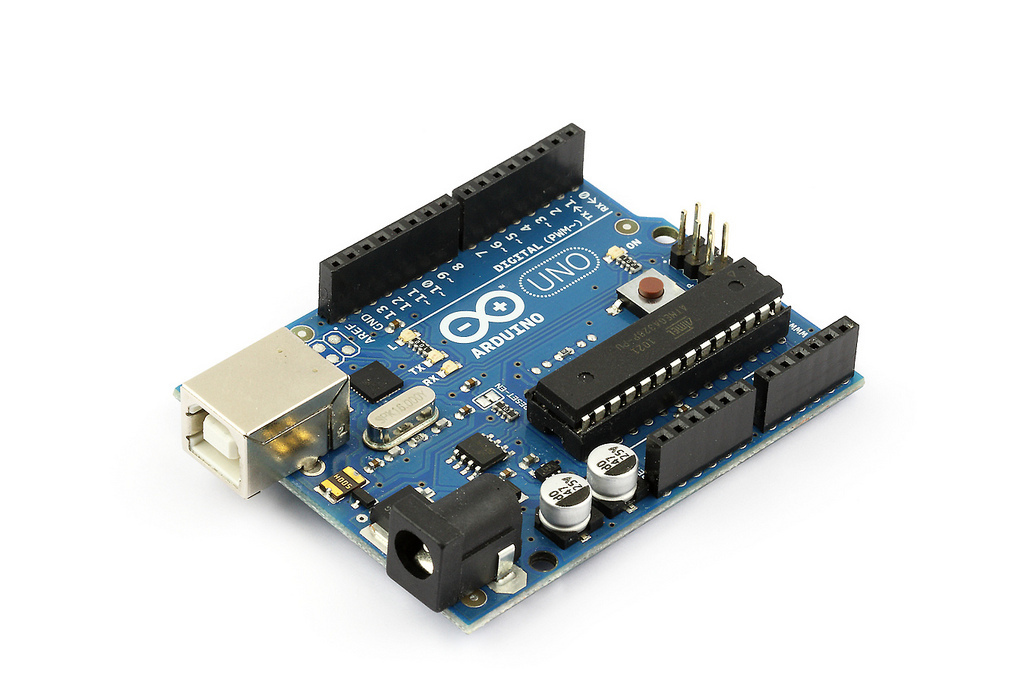
The IDE is installed in the computer enabling the writing and uploading of code to the circuit board.
Arduino boards can read simple inputs like putting a finger on any button, converting it to output which leads to motor activation.
Being easy to understand and learn, Arduino kits have become quite popular among young coders and students interested in dabbling with electronics.