If you're ready to level up your SRE career and stand out from the competition, let's dive in and discover the path to success!
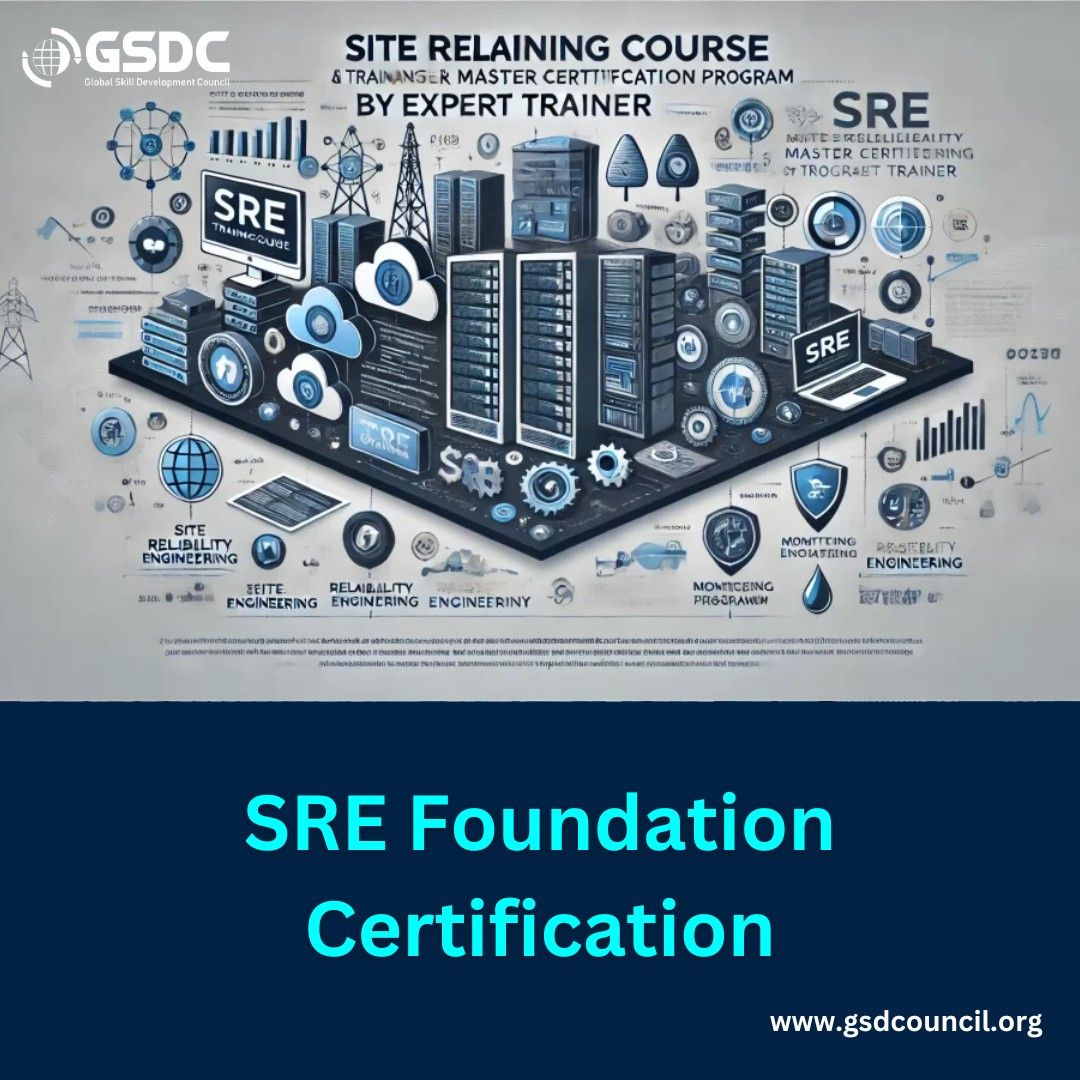
Site Reliability Engineer certification are vital for validating your expertise and skills in Site Reliability Engineering.
By choosing the right certification, preparing diligently, and leveraging study resources, you can pass the site reliability engineering certification exams with confidence.
Certified SRE professional enjoy enhanced career prospects and recognition in the industry, making SRE certifications a valuable investment for career growth and professional development.
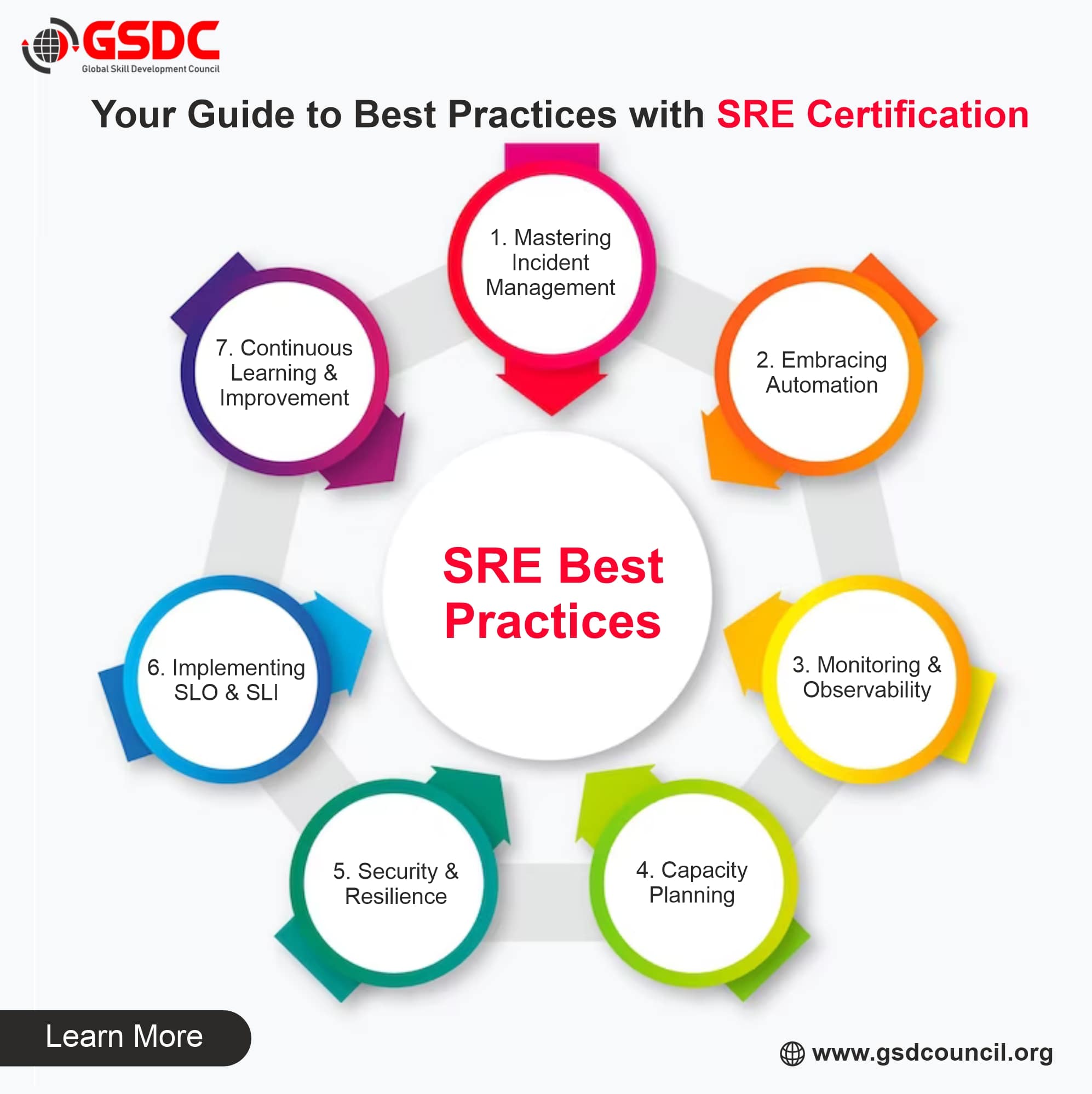
SRE certification best practices for professionals aiming to excel in the field of Site Reliability Engineering:
1. Mastering Incident Management:
- Develop efficient incident response procedures to handle system disruptions promptly.
- Conduct thorough postmortems to understand root causes and prevent recurring incidents.
- Implement proactive measures for incident prevention and mitigation.
2. Embracing Automation:
- Automate repetitive tasks to reduce manual errors and save time.
- Utilize configuration management tools for consistent and streamlined deployments.
- Create self-healing systems that automatically recover from failures
3. Monitoring and Observability:
- Set up comprehensive monitoring to track system performance and health.
- Define meaningful alerts to receive timely notifications for potential issues.
- Establish observability to gain deep insights into system behavior and performance.
4. Capacity Planning:
- Analyze historical performance data to predict future resource requirements.
- Scale resources proactively to meet anticipated workloads and avoid bottlenecks.
- Plan for unexpected traffic spikes and ensure resource elasticity.
5.Security and Resilience:
- Implement robust security practices to protect systems from vulnerabilities and threats.
- Plan for disaster recovery and develop resilient systems to withstand failures.
- Conduct regular security audits and vulnerability assessments.
6. Implementing SLO and SLI:
- Define Service Level Objectives (SLOs) to set performance targets and measure reliability.
- Establish Service Level Indicators (SLIs) to monitor system health and track progress toward SLOs.
- Continuously review and refine SLOs based on user expectations and business needs.
7. Continuous Learning and Improvement:
- Stay updated with the latest technologies, tools, and best practices in SRE.
- Participate in webinars, workshops, and conferences to expand knowledge.
- Foster a culture of learning and encourage knowledge sharing within the team.
By incorporating these best practices into your SRE practices, you can improve the reliability, scalability, and performance of digital systems.
SRE foundation certification validates your expertise in these areas and sets you on the path to becoming a successful and sought-after Site Reliability Engineer.
For more info visit at - https://www.gsdcouncil.org/certified-site-reliability-engineer-foundation
For more inquiry call: +91 7262008866