Radiotherapy, while an essential tool in cancer treatment, carries potential risks to patients due to its use of high-energy radiation. Ensuring the safety of individuals undergoing radiotherapy is paramount. This article highlights the various safety measures in place to minimize risks associated with radiotherapy and safeguard the well-being of patients throughout their treatment journey.
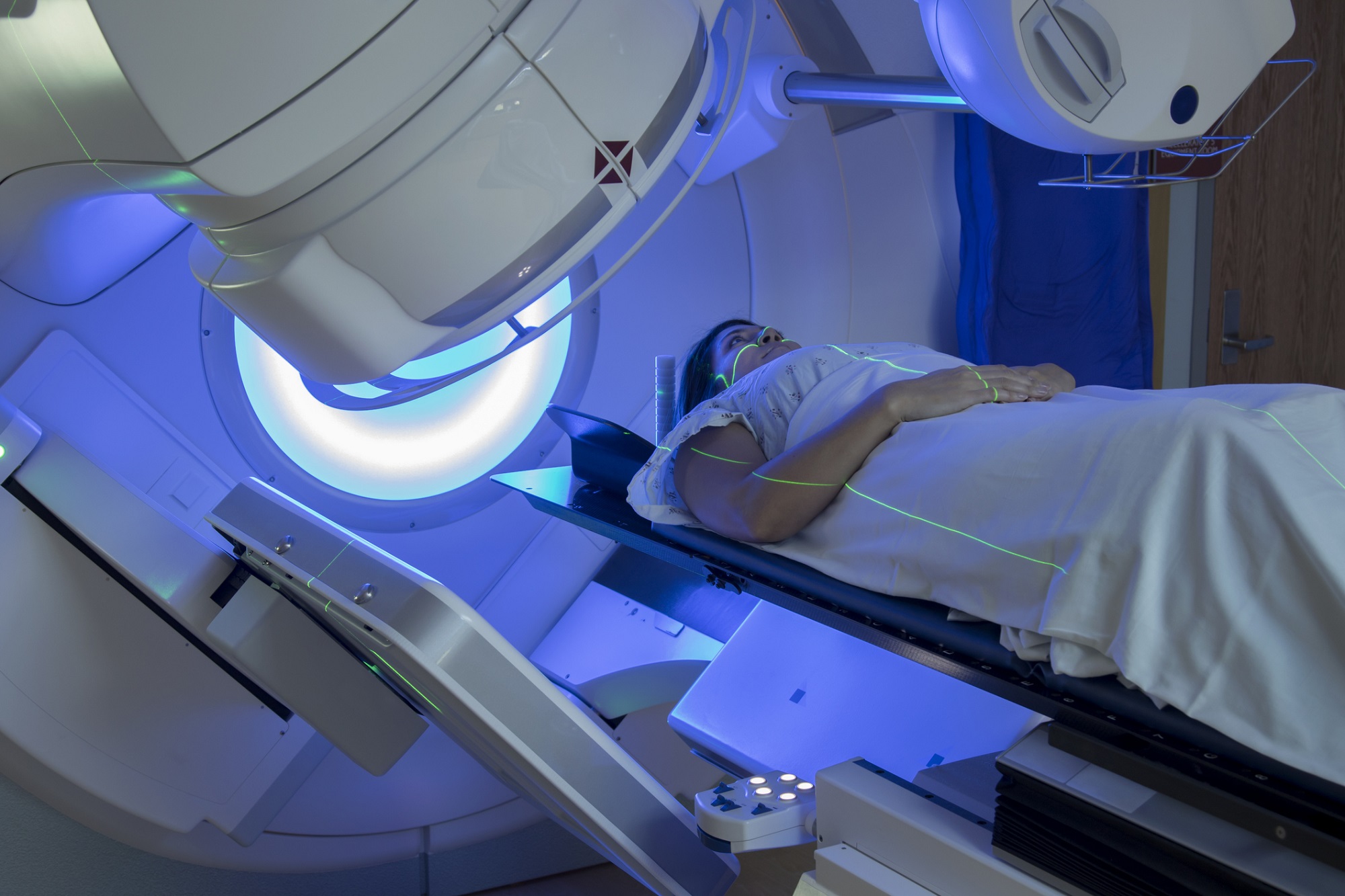
The foundation of radiotherapy safety lies in meticulous treatment planning and simulation. Before administering any radiation, medical teams perform thorough imaging and simulations to precisely define the treatment area and the optimal radiation dosage. Advanced technologies, such as 3D treatment planning and virtual simulations, aid in this process, reducing the chance of unnecessary radiation exposure to healthy tissues.
Radiotherapy departments maintain rigorous quality assurance programs to ensure the accuracy and safety of treatment delivery. Regular safety checks, machine calibrations, and dose verifications are performed to detect any discrepancies and rectify them promptly.
Radiotherapy facilities are designed with extensive shielding to contain radiation within the treatment area. Lead and concrete barriers protect surrounding areas and personnel from unnecessary exposure. Strict protocols are in place to prevent radiation leaks and ensure the safety of both patients and healthcare professionals.
In many cases, Radiotherapy is delivered in fractions over multiple treatment sessions rather than a single high dose. This approach minimizes the impact on healthy tissues and allows time for the body to repair any radiation-induced damage.
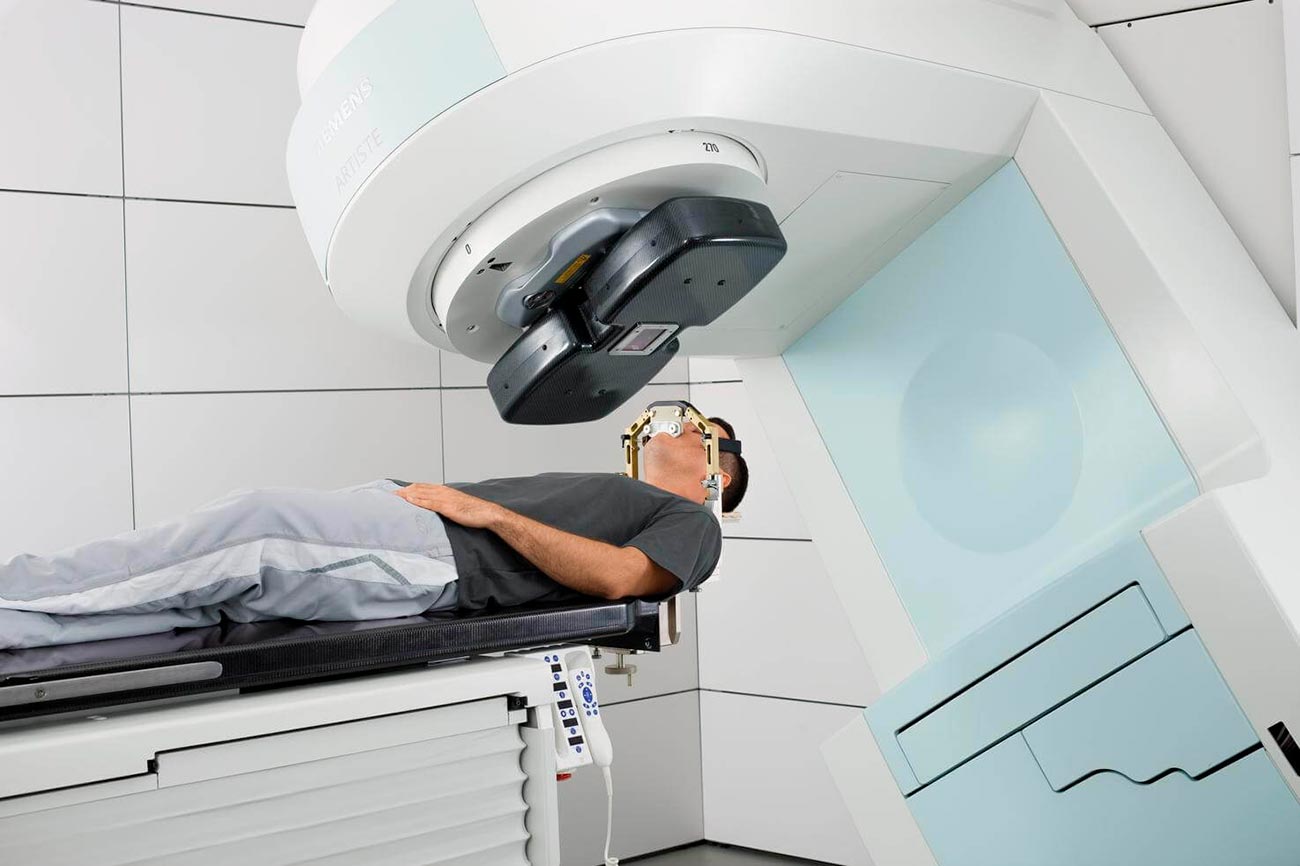
Accurate patient positioning and immobilization devices are used during treatment to ensure that the radiation targets the intended area consistently. These measures reduce the risk of inadvertently irradiating healthy tissues.
Advanced imaging techniques, such as cone-beam CT and real-time tracking, enable continuous monitoring of the treatment area during radiotherapy sessions. This real-time feedback helps ensure precision and enhances safety during treatment delivery.
Educating patients about the radiotherapy process and potential side effects empowers them to be active participants in their care. Understanding the safety measures in place can alleviate anxiety and promote compliance with treatment protocols.
Although every effort is made to minimize risks, some side effects may still occur during radiotherapy. Proactive management of side effects through supportive care measures helps maintain patient comfort and well-being throughout treatment.
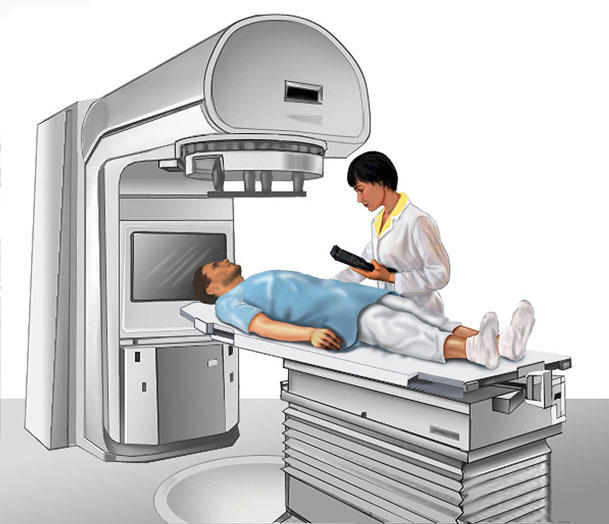
Open communication and collaboration among the entire treatment team are essential for maintaining safety during Radiotherapy. Nurses, radiation therapists, oncologists, and other healthcare providers work together to monitor patients and address any safety concerns promptly.
Radiotherapy staff undergo continuous training and education to stay up-to-date with the latest safety practices and advancements in the field. This commitment to ongoing learning ensures that patients receive the safest and most effective care available.
Radiotherapy safety measures are of utmost importance in cancer care. By adhering to stringent protocols, utilizing advanced technologies, and fostering a collaborative environment, healthcare professionals can minimize risks and maximize the benefits of radiotherapy for patients. Continuous efforts to improve safety practices ensure that radiotherapy remains a vital and safe component of comprehensive cancer treatment.