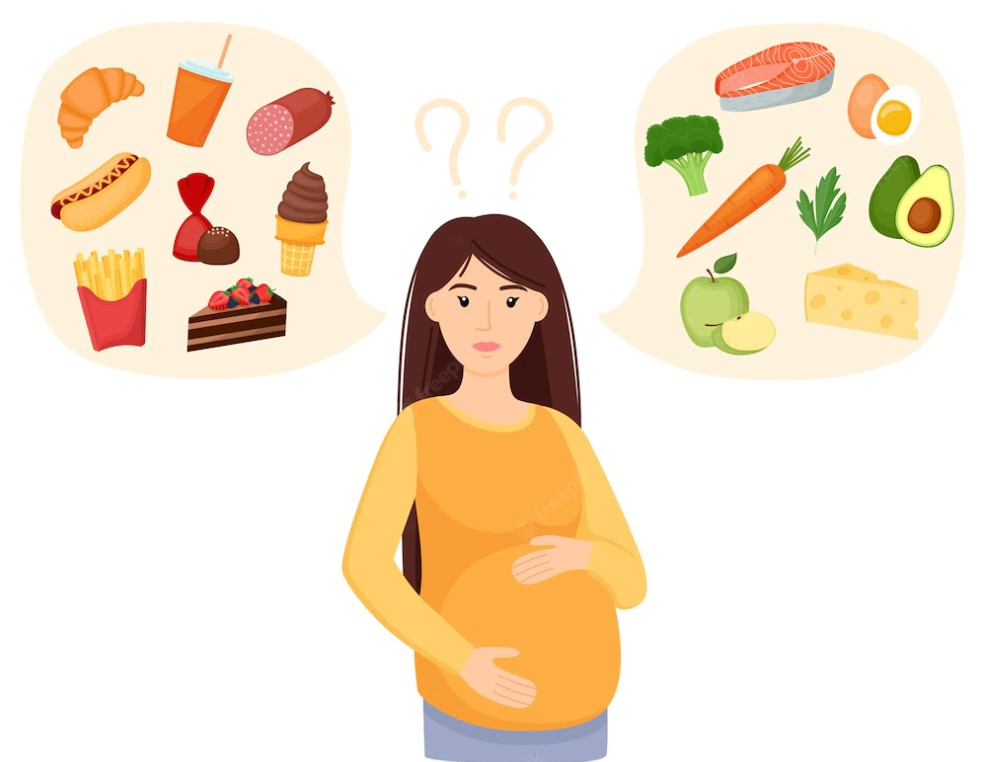



Role of Iron during pregnancy
Iron is an essential nutrient responsible for carrying oxygen to tissues and organs. During pregnancy, the mother's blood volume increases to support the growing foetus, and the production of red blood cells also rises. Sufficient iron intake is necessary to meet these increased demands and prevent iron-deficiency anaemia, which can lead to fatigue, weakness, and other complications. Iron plays a crucial role in pregnancy as it helps in producing haemoglobin. It also supports the development of the placenta and the foetus.
Iron Intake during pregnancy
During pregnancy, the recommended daily intake of iron increases to support the growing needs of both the mother and the developing foetus. The average daily recommended iron intake for pregnant women is around 27 milligrams (mg). If you are 19 or older and breastfeeding, make sure you obtain at least 9 mg of iron daily. Breastfeeding mothers who are 18 or younger require 10 mg of iron. Iron requirements might vary depending on factors like as pre-existing iron levels, the existence of diseases such as anaemia, carrying multiples (e.g., twins or triplets), and individual demands. In some cases, doctors may prescribe higher or lower amounts of iron based on these considerations.
To ensure the appropriate iron during pregnancy, it is better to consult a doctor. A doctor will evaluate your specific circumstances, monitor your iron levels through blood tests, and provide iron supplements to meet your iron needs for a healthy pregnancy.
Need for iron supplements during pregnancy.
Taking prenatal multivitamins is one of the simplest and significant ways to ensure the health of your unborn child. Prenatal tablets are vital supplements that contain nutrients required during the pregnancy. Prenatal multivitamins play a crucial role in providing iron to pregnant women.
Trimacare prenatal tablet is the only 'One-Stop' solution for 20+ key nutrients needed throughout pregnancy. These prenatal pills for pregnant women in India were formulated by leading experts, under ICMR and WHO standards.
Trimacare prenatal multivitamins already contains 60 mg iron and 500 mg calcium, and 20 other essential micronutrients recommended by leading Indian doctors during the second trimester. It is common to have iron deficiency during pregnancy. Trimacare helps prevent anaemia by ensuring an adequate supply of iron to support the production of red blood cells and maintain healthy haemoglobin levels. Trimacare prenatal tablets for women also reduces leg cramps and oxidative stress, improves thyroid hormone function, and prevents pregnancy issues.
Hence, iron plays a critical role in transporting oxygen and foetal development during pregnancy. Meeting the increased iron needs during pregnancy is essential to prevent iron deficiency anaemia and ensure optimal maternal and foetal health. Adequate iron levels support the production of haemoglobin, which carries oxygen to vital organs and tissues. Iron also contributes to the formation of the placenta and supports the growth of the developing baby. By prioritizing iron-rich foods and taking prenatal vitamins for pregnancy, when necessary, pregnant women can maintain healthy iron levels, reduce the risk of complications, and promote a successful pregnancy journey. Combining a balanced diet rich in iron-containing foods with prenatal multivitamins helps ensure optimal iron levels during pregnancy.
Source URL - https://myblogsposting.com/understanding-iron-needs-ensuring-a-healthy-pregnancy/


You have unexplained infertility, and your doctor has proposed a treatment that can increase your chances of carrying a healthy pregnancy.You are a woman age 35 or older and are concerned that your chances of pregnancy are decreasing with age.You are a woman of 35 or younger and you have been trying for a pregnancy for 12 months or longer.You are a woman of over 35 and you have been trying for a pregnancy for 6 months of longer.You or your partner has a known condition that requires fertility treatment to assist with conception.Please visit for more information: www.prathamivf.com